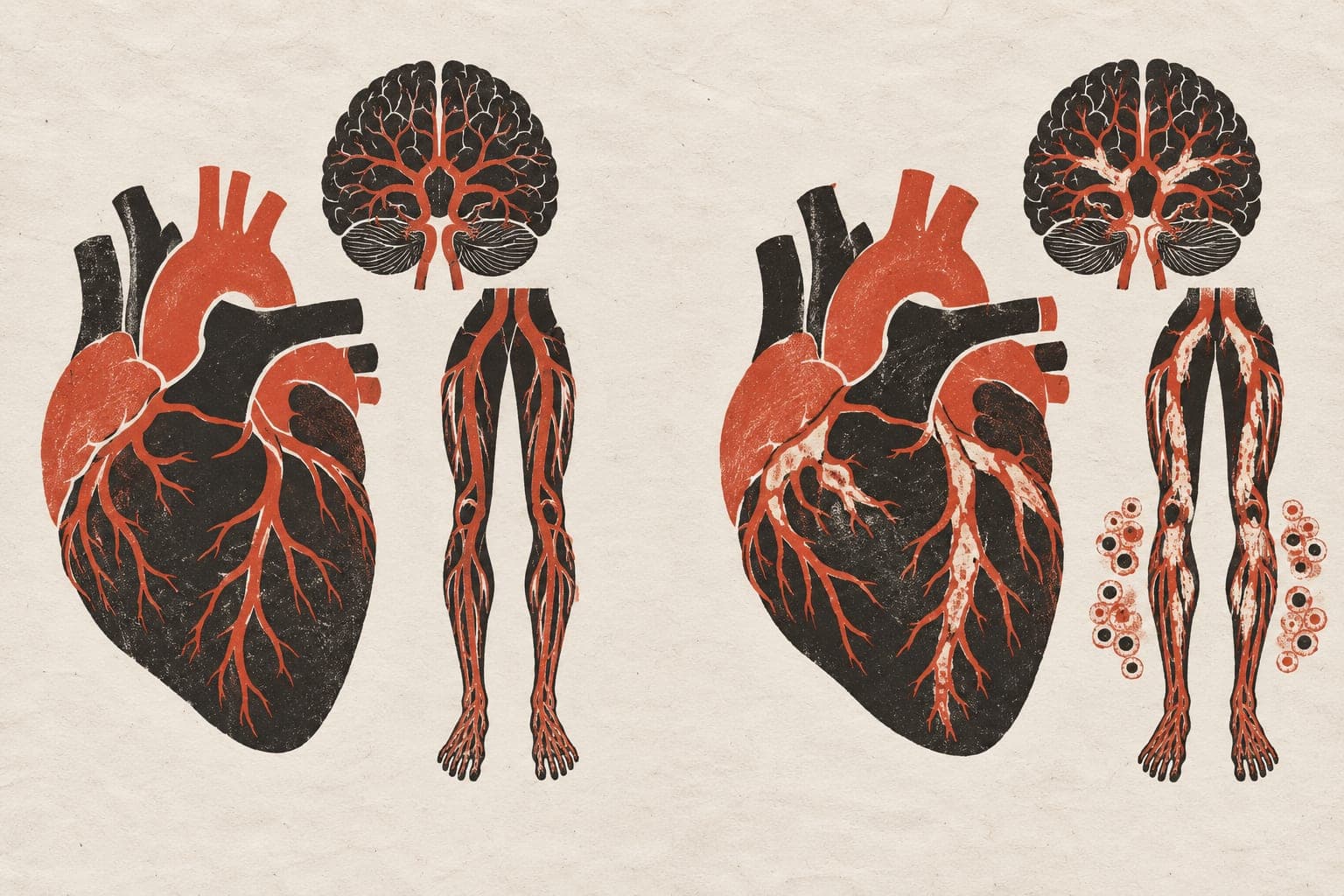
Analysis links genetic heart disease risk to eight processes
An observational preprint identified eight genetic components and linked their risk scores to coronary artery disease in three large human biobanks.

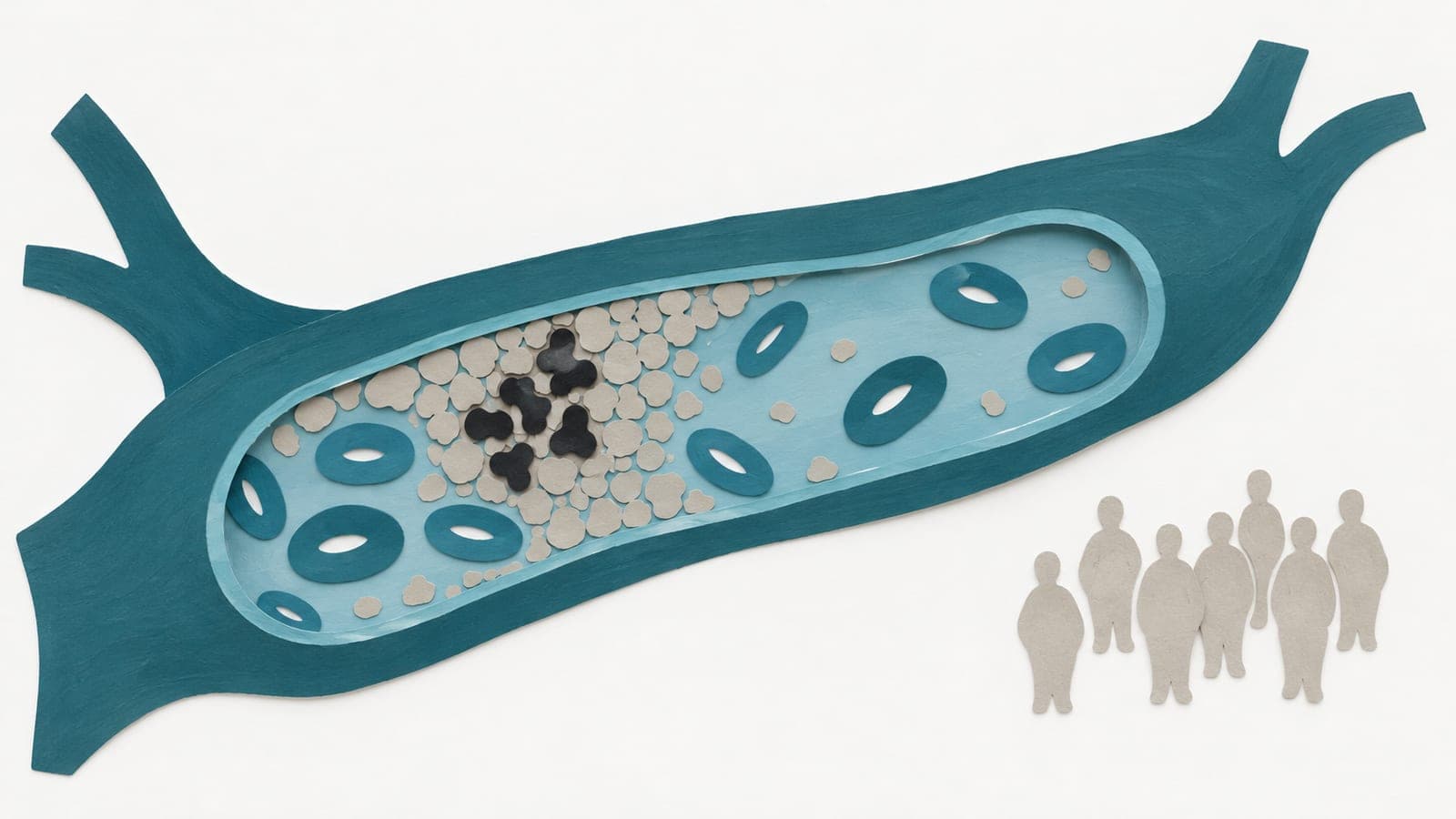
An observational preprint examined genetic risk of coronary artery disease, which affects the arteries supplying the heart, in people from three biobanks. These included 458,905 UK Biobank participants, 24,904 Swedish CArdioPulmonary bioImage Study participants and 53,848 Mass General Brigham Biobank participants.
The researchers grouped 526 genetic variants associated with the disease using their links to 78 related traits. They identified eight components and built genetic risk scores for each. The components covered processes involving blood fats, metabolic health, body weight, blood vessel function, clotting and changes in heart structure. The scores captured biological profiles beyond conventional risk factors. Across all three biobanks, they were consistently associated with coronary artery disease, including disease without obvious symptoms. They also showed distinct patterns of biological measurements, proteins and other health conditions.
Why it matters
Coronary artery disease is an age-related illness. The framework may inform prevention tailored to the biological processes contributing to a person’s genetic risk.
Caveats
The observational analysis did not test prevention strategies. The preprint has not been peer-reviewed.
The paper
Decomposing polygenic risk of coronary artery disease into distinct biological processes
Chalmers University of Technology
medRxiv, 11 Oct 2026, CC BY-NC-ND, Preprint, not peer-reviewed