Enhancement of leukocyte functions in aged mice supplemented with the antioxidant thioproline
Abstract
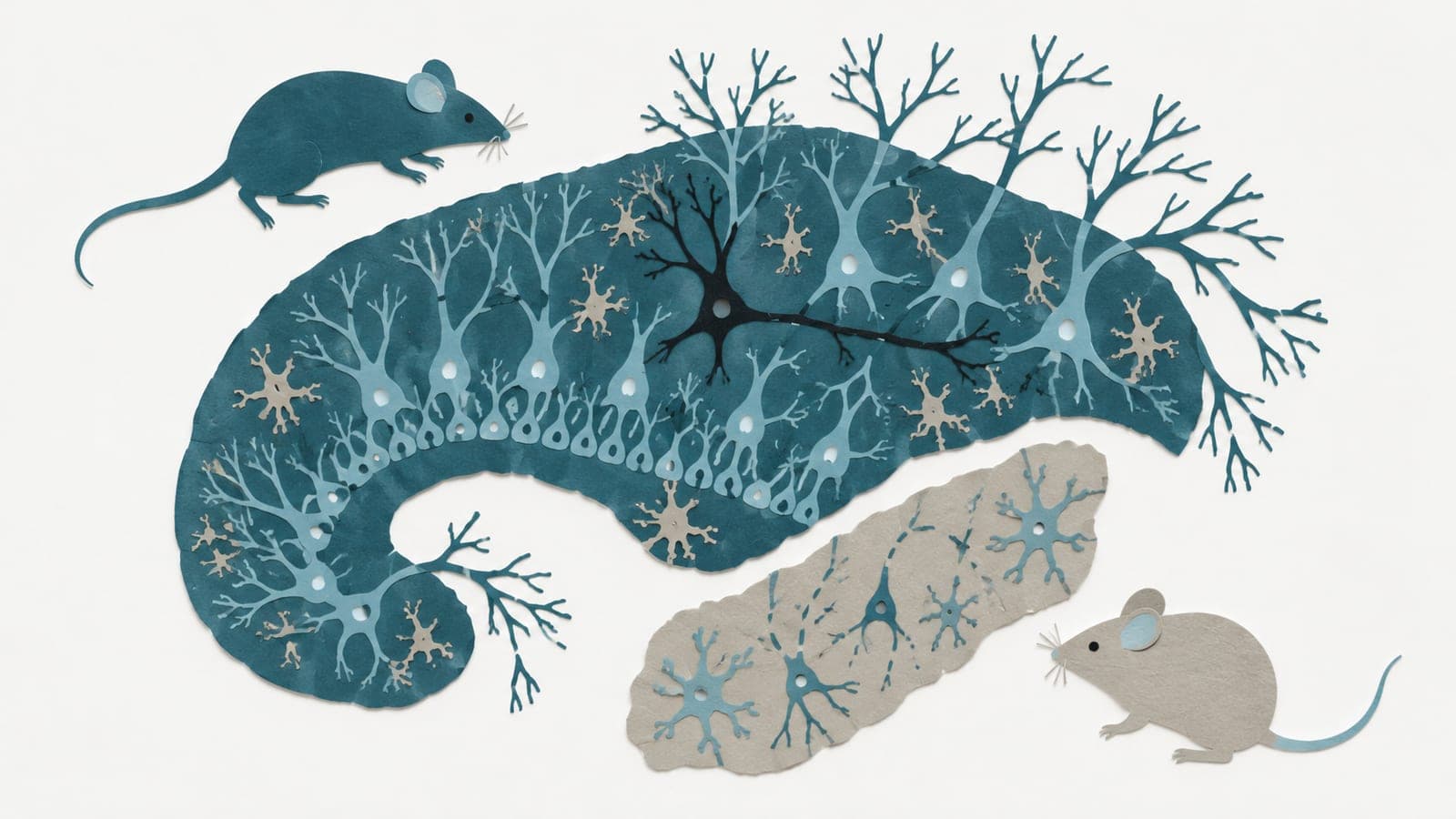
Previous research has shown that supplementation of the diet with thioproline (thiazolidine-4-carboxylic acid), an intracellular sulfhydryl antioxidant and free radical scavenger, increases mouse life span and stimulates the immune system. In the present study aged Swiss mice (20 month old) fed thioproline (0.07%,w/w) for 5 weeks were used. Twelve month and 20 month old mice fed standard diet were used as controls. The lymphoproliferative response to the mitogen Concanavalin A (Con A) and the mobility of lymphocytes, both spontaneous and directed to a chemoattractant gradient (chemotaxis), as well as antibody-dependent cellular cytotoxicity (ADCC) and natural killer (NK) activity of leukocytes, were measured in cells from spleen and thymus. All of the above functions showed a significant decrease in aged (20 months) in comparison to adult mice (12 months). In aged animals, the ingestion of thioproline stimulated significantly the functions studied. Moreover, the age-related stress, revealed by the high corticosterone levels, was significantly decreased in animals fed this antioxidant. These data suggest that thioproline enhances immune response in the aged.
The paper
Universidad Complutense de Madrid; University of Alicante
Mechanisms of Ageing and Development, 1 Sep 1998