Diet app feasible for older adults, but added benefit uncertain
The 40-person pilot reported 48.8% recruitment and 83.3% attendance, but the app’s added benefit over shared diet and exercise support remained uncertain.
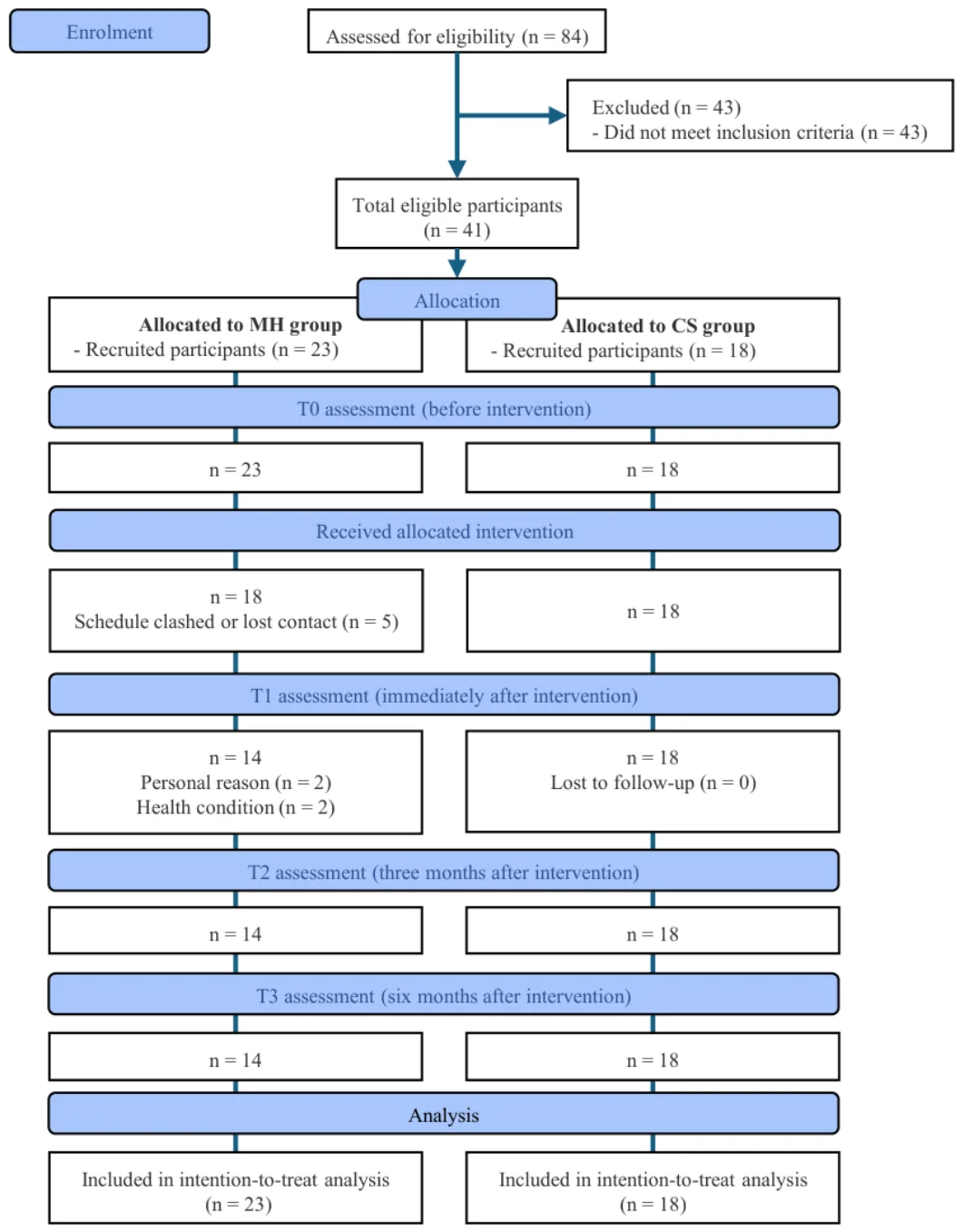
Forty community-dwelling adults aged 65 or older at risk of sarcopenic obesity—obesity with low muscle mass and function—took part in a pilot randomised trial. Both groups received eight weeks of support: three individual dietitian consultations, five nutrition classes and eight weekly 60-minute exercise sessions. One group also used EatWelLog during the intervention and six-month follow-up.
The app had moderate-to-high acceptability, although four app-group participants dropped out after the intervention began. The researchers detected no between-group differences in primary outcomes or differences in how these changed over time. Muscle strength improved in both groups immediately after the intervention. Physical performance improved in the app group at every follow-up assessment. Focus group participants valued dietary tracking, feedback and reminders but identified limitations in food recording.
Why it matters
Diet and exercise are recommended for sarcopenic obesity, yet accessible dietary support remains limited. This pilot addressed whether app-based dietary self-management was practical for older adults.
Caveats
This pilot was not powered to assess effectiveness, so the app’s added benefit remains uncertain. The findings concern community-dwelling adults aged 65 or older at risk of sarcopenic obesity, not younger adults or care-home residents.
The paper
Hong Kong Polytechnic University; Swinburne University of Technology
Nutrients, 1 Oct 2026, Open access