Stimulation by the antioxidant thioproline of the lymphocyte functions of old mice
Abstract
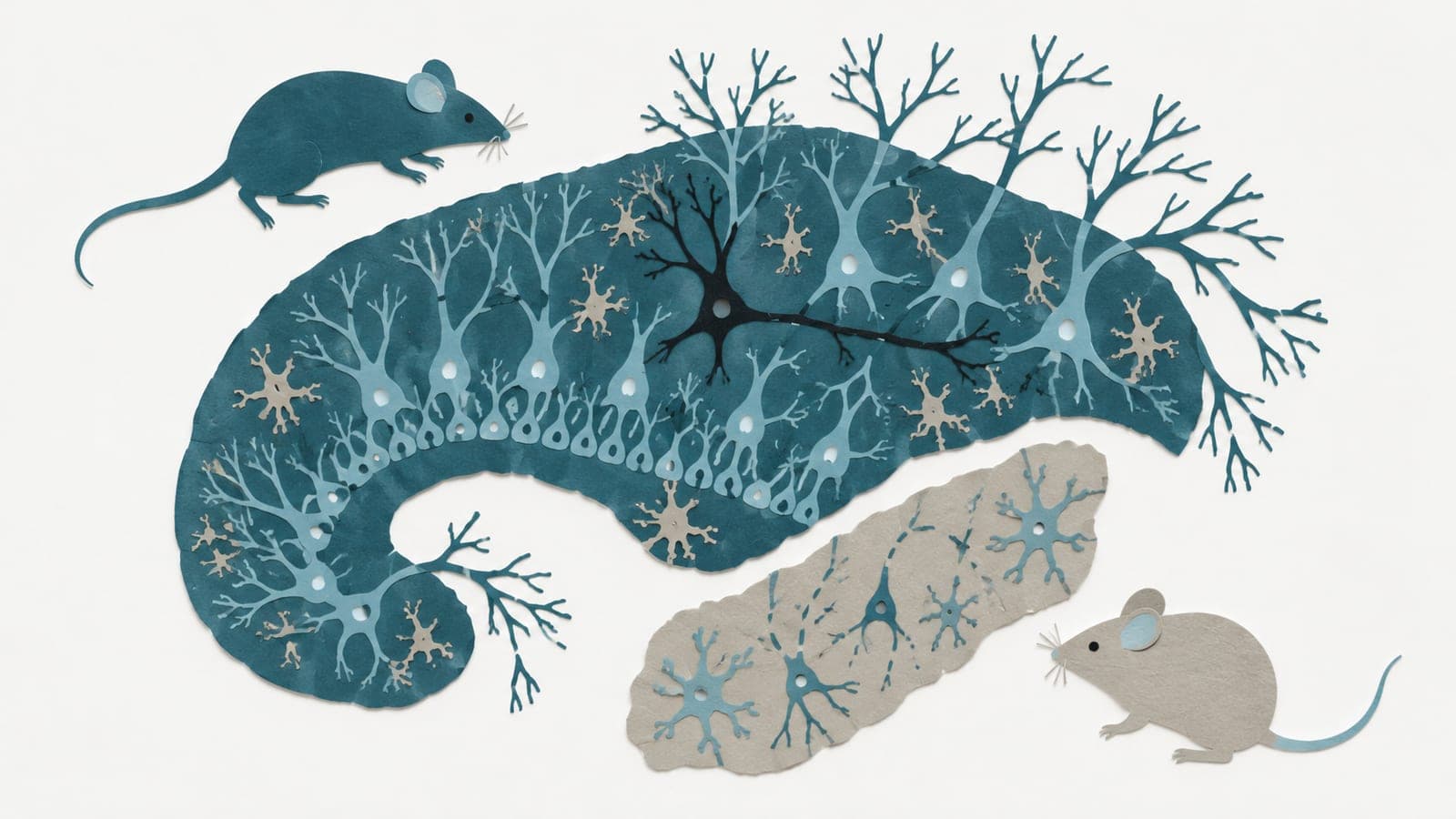
Diet supplementation with thioproline (thiazolidine-4-carboxylic acid), an intracellular sulfhydryl antioxidant and free radical scavenger, may slow the aging process of metazoans and prolongs their life span. In the present experiment Swiss mice fed thioproline (0.07%, w/w) from 13 to 22 months of age were used. Six- and 22-month-old mice fed standard diet were used as controls. Two important functions of lymphocytes, the proliferative response to the mitogen Concanavalin A (Con A) and the mobility, both spontaneous and directed to a chemoattractant gradient (chemotaxis), were analyzed in lymphocytes from axillary nodes, spleen and thymus. Mobility and chemotaxis were studied by Boyden's technique, using filters of 3 microns pore diameter, 3 h of incubation and fmet-leu-phe at 10(-8) M as chemoattractant. The proliferative response was estimated as 3H-thymidine incorporation in lymphocytes incubated for 72 h in the presence of Con A (1 and 5 micrograms/ml). The results show a decrease in mobility, chemotaxis and lymphoproliferative response in old mice in comparison to adults. However, a significant increase in these functions was observed in old mice fed thioproline. The advantage of using this antioxidant for immunostimulation during aging, a stage of life characterized by a decreased immune response, is discussed.
The paper
Universidad Complutense de Madrid; University of Alicante
Mechanisms of Ageing and Development, 1 May 1993