Reducing a liver protein eased liver scarring in mice
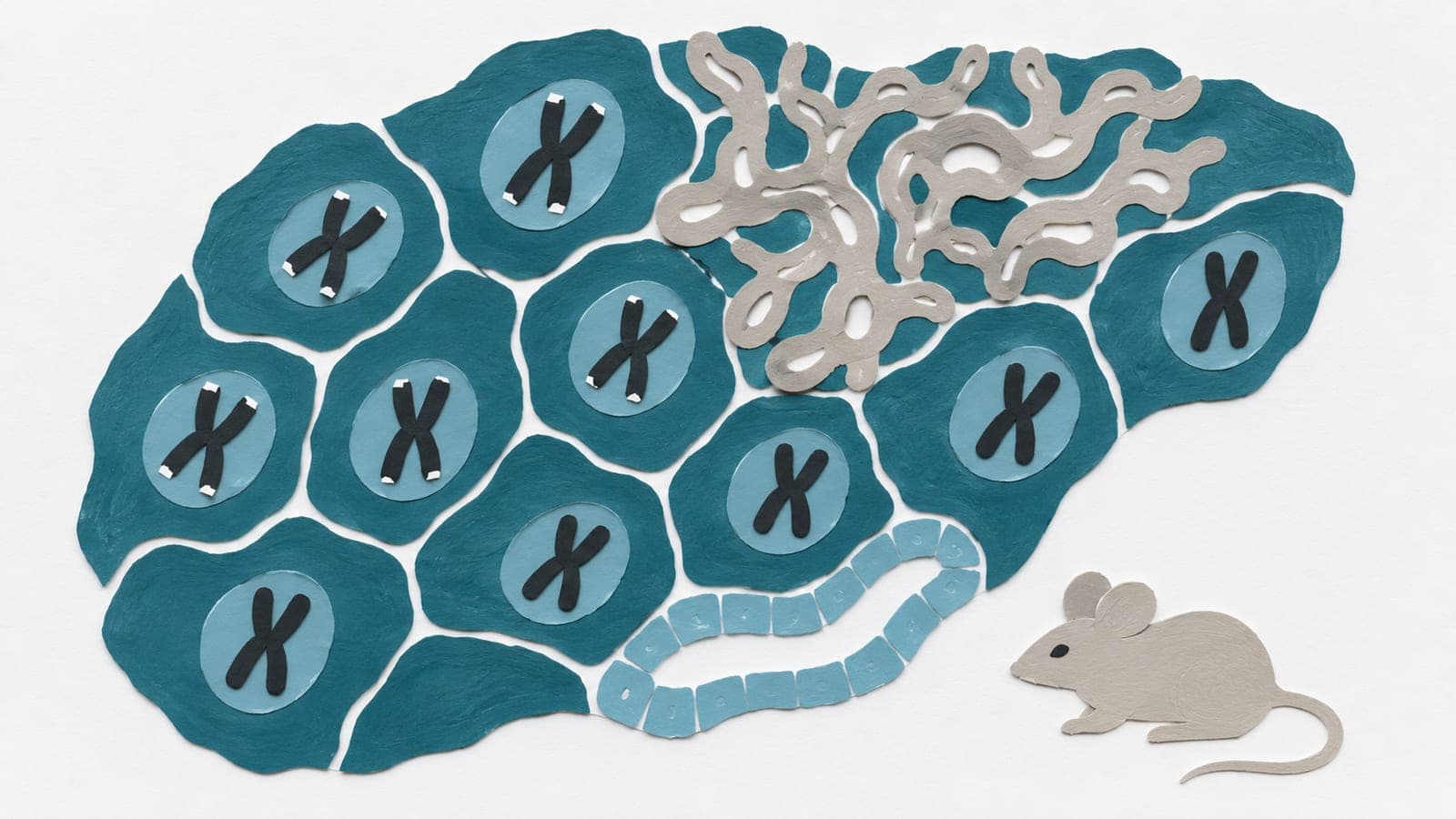
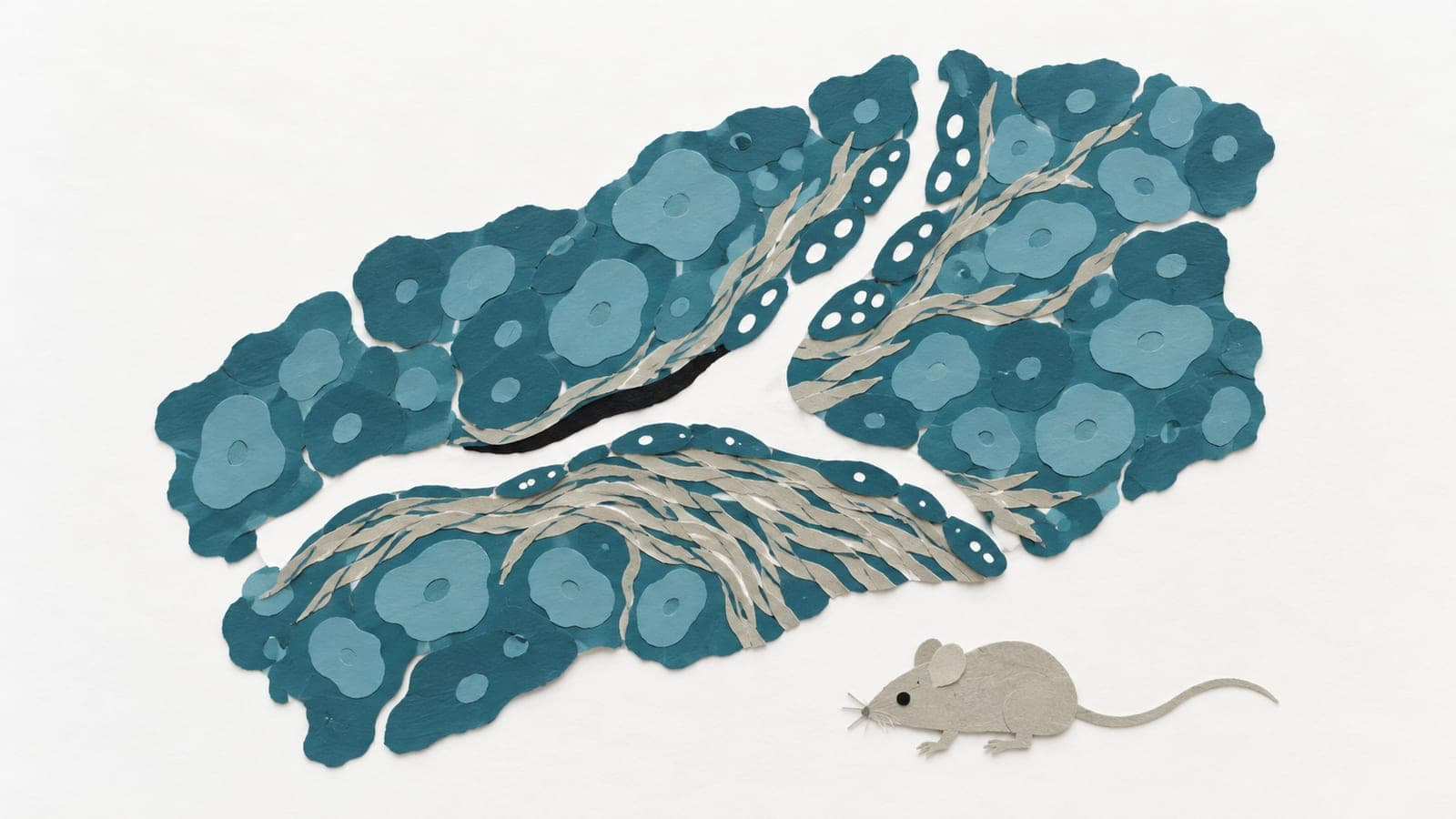
In a 12-week experiment, male mice with chemically induced liver scarring had less fibrosis after researchers reduced production of a liver protein.

Our read
Mechanisms- Studied:
- Experiments in animals
Editor of record: Boris Djordjevic · AgingResearch.News
Male C57BL/6 mice developed liver fibrosis, or scarring, in experiments using carbon tetrachloride injections twice weekly for 12 weeks. At week nine, researchers used a liver-targeted virus to reduce production of MASP1, a protein that promoted hyaluronic acid production. This reduced fibrosis and promoted senescence—a state in which cells stop dividing—in hepatic stellate cells, liver cells involved in scarring.
Hyaluronic acid is a component of the material surrounding cells. Experiments in isolated mouse stellate cells showed that smaller hyaluronic acid molecules promoted activation, a scar-producing state, while larger molecules inhibited senescence. Transplanting activated stellate cells into mouse livers also showed that advanced fibrosis favored sustained activation and inhibited senescence.
Why it matters
Senescence of activated liver stellate cells is associated with scarring resolution. The authors suggest that changing hyaluronic acid metabolism to induce this state may offer a strategy for liver fibrosis.
Caveats
The fibrosis experiments used male C57BL/6 mice with chemically induced liver injury. They do not show whether lowering MASP1 would help people with liver fibrosis.
The paper
Xiamen University
Cell Death & Disease, Aug 13, 2026, Open access
Comments
Be the first to comment.