Activity linked to lower death risk in US adults
In US adults with abnormal cholesterol–inflammation profiles, activity was linked to lower all-cause mortality: hazard ratios (relative risk measures) of 0.56 and 0.62 versus inactivity.
Limit: Acute illness and anti-inflammatory medication use were unmeasured potential confounders
Edited by Boris Djordjevic · AgingResearch.News
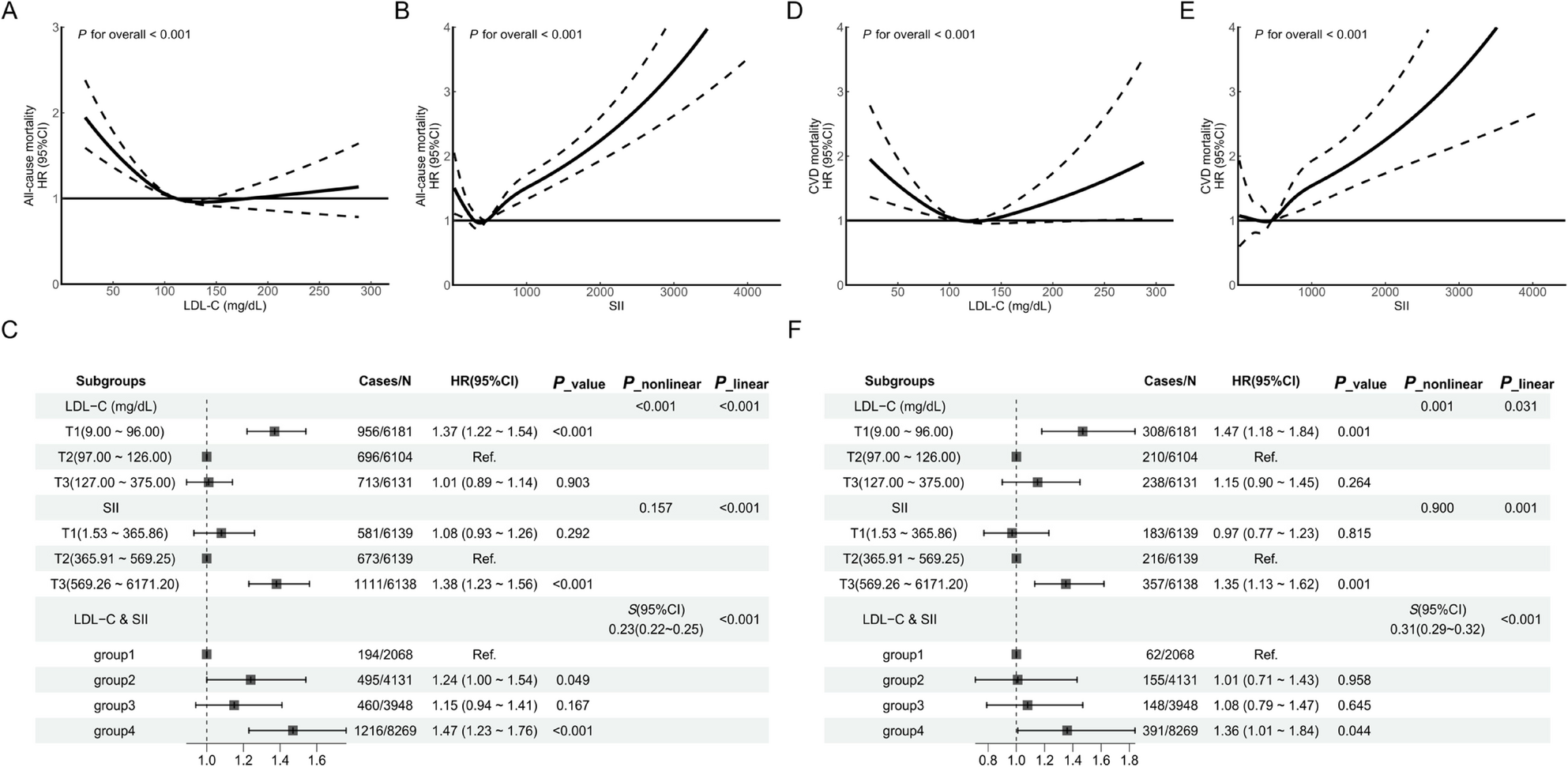
An observational study analyzed 18,416 US adults and 2,575 Chinese adults from two population-based cohorts. Researchers examined low-density lipoprotein (LDL) cholesterol and blood-cell-based measures of inflammation in relation to deaths from any cause and cardiovascular disease.
Low LDL cholesterol or high inflammation was associated with higher mortality. In the US cohort, joint cholesterol–inflammation associations appeared in the general population and people with plaque-related cardiovascular disease. Among participants with abnormal cholesterol–inflammation profiles, activity was associated with lower all-cause mortality. Hazard ratios were 0.56 in the general population and 0.62 in those with cardiovascular disease, compared with inactivity. Activity was also linked to lower all-cause mortality among Chinese participants with noncommunicable diseases—conditions that do not spread between people.
Why it matters
Cardiovascular disease is an age-related health concern. The study addresses whether physical activity may modify mortality risks associated with cholesterol and inflammation.
Caveats
These observational associations cannot establish that physical activity reduced mortality. The cohorts also used different blood-based measures of inflammation.
From the paper
- Participants
A total of 18,416 US adults with a total of 150047.8 person-years follow-up from the National Health and Nutrition Examination Survey (NHANES) including general population, patients with atherosclerotic cardiovascular disease (ASCVD), and individuals at extreme risk …
- Limitation
The main limitations of this study should also be acknowledged: First, despite adjustment for numerous potential confounders and sensitivity analyses, the presence of unmeasured confounders, influence of no data on acute illness and/or acute/chronic anti-inflammatory medication …
Quoted word for word from the full text on link.springer.com.
- Physical activity
- Inflammation
- LDL cholesterol
- Cardiovascular disease
- Atherosclerotic cardiovascular disease
- Humans
The paper
Guilin Medical University
Lipids in Health and Disease, Aug 1, 2026, Open access


Comments
Be the first to comment.