Brain scans measure vitamin C transport in people
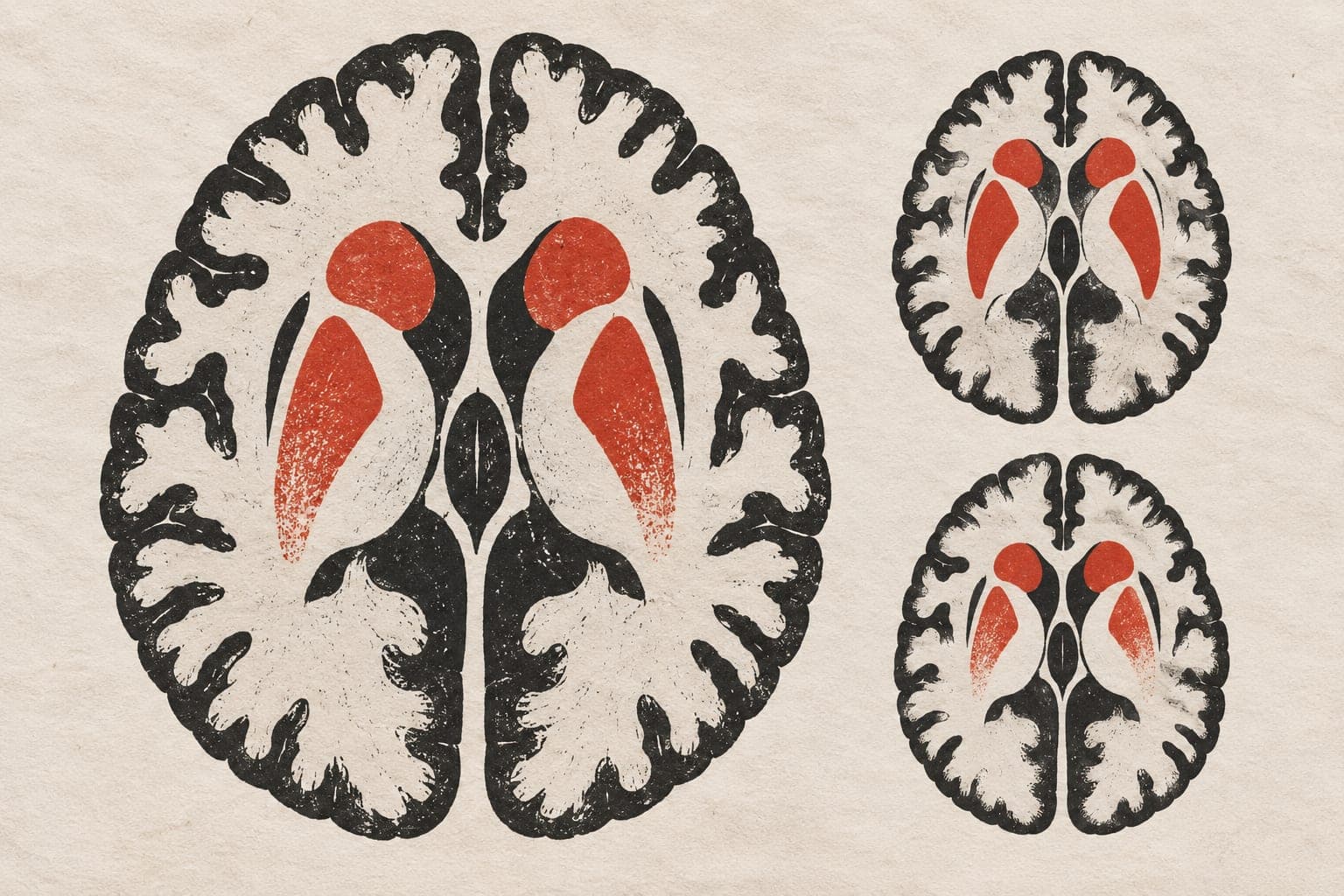
In an observational analysis of 161 people, a radioactive tracer let researchers visualize vitamin C transport from blood to fluid around the brain.
Registered ChiCTR2300076126
Limit: Uncorrected spillover between choroid plexus and cerebrospinal fluid can distort tracer uptake measurements
Edited by Boris Djordjevic · AgingResearch.News
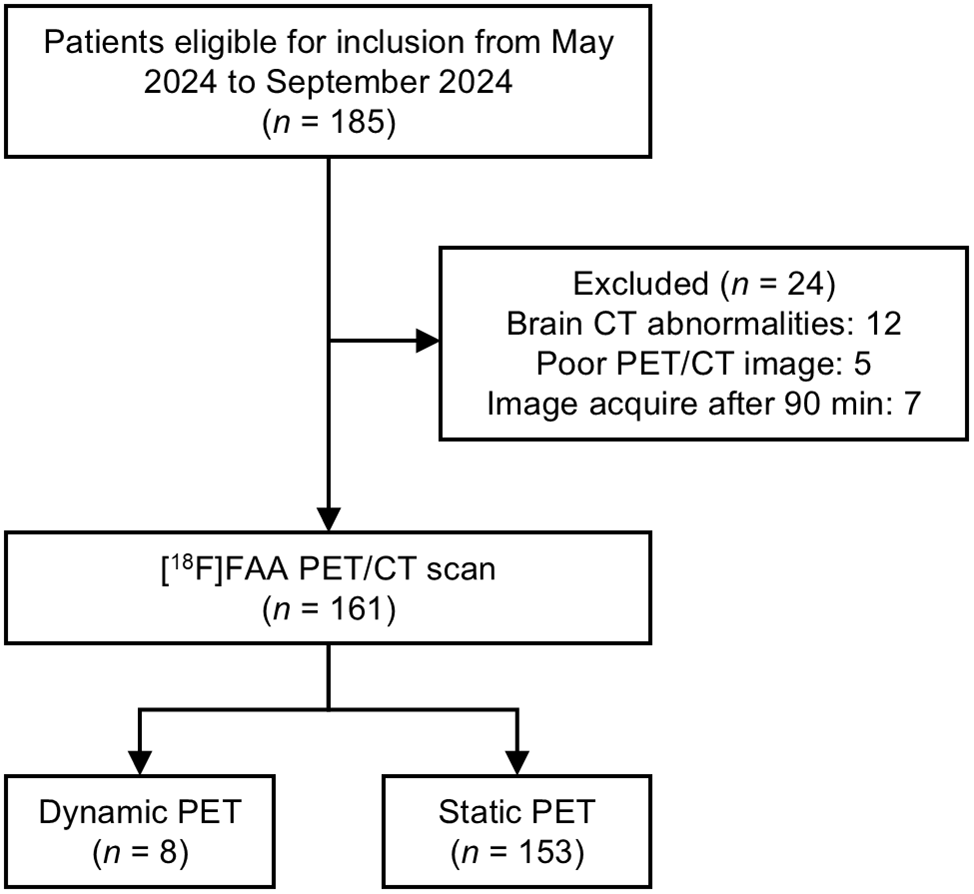
In a prospective observational analysis, researchers studied 161 people averaging 48.0 years of age, including 90 women. Eight underwent 45-minute brain scans that tracked a vitamin C–based radioactive tracer over time. Another 153 underwent scans at a single time point.
Researchers measured tracer buildup in the choroid plexus, tissue that transports vitamin C from blood into cerebrospinal fluid. This fluid surrounds the brain and spinal cord. In the eight time-tracked scans, tracer levels in this tissue peaked about five minutes after injection, then declined. Levels in cerebrospinal fluid rose over time. The researchers concluded that the scans provided a noninvasive way to visualize and assess vitamin C transport. Older age was independently associated with lower tracer accumulation in both the tissue and fluid.
Why it matters
Measuring vitamin C transport into the fluid around the brain may help researchers investigate how access to this antioxidant changes with age.
Caveats
This observational analysis could not establish that aging caused the differences in tracer accumulation. Only eight people—four younger than 60 and four aged 60 or older—had scans that tracked movement over time.
From the paper
- Participants
A total of 161 participants were included in the final analysis (Fig. 1).
Quoted word for word from the full text on link.springer.com.
- Imaging
- [18F]FAA accumulation
- [18F]FAA accumulation in the choroid plexus and cerebrospinal fluid
- [18F]FAA standardized uptake value
- [18F]FAA time-activity curve area under the curve
- Humans
The paper
Ascorbic acid transport via choroid plexus measured with 6-deoxy-6-[¹⁸F]fluoro-L-ascorbic acid PET
Sun Yat-sen University
Fluids and Barriers of the CNS, Jul 28, 2026, Open access