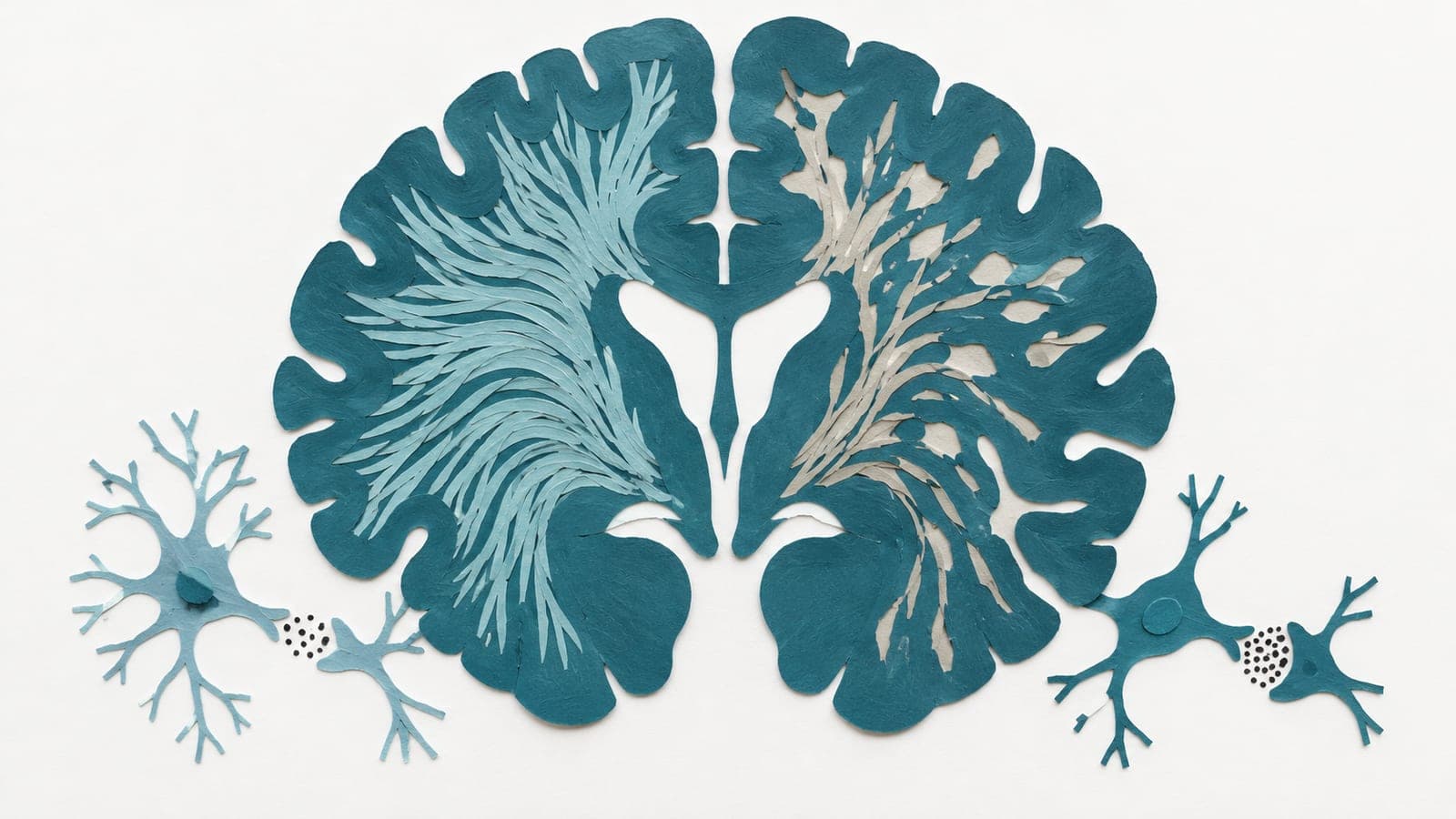
Brain receptor density is linked to age and sex in adults
A cross-sectional study of 143 healthy adults aged 20–79 found distinct age patterns by sex, including a rise in receptor density among women in their 50s.
Limit: Uncorrected regional comparisons increase the risk of chance age and sex associations
Stake: An author founded AMPAMETRY and holds shares in it.
Edited by Boris Djordjevic · AgingResearch.News
In a cross-sectional observational study, 143 healthy men and women aged 20–79 underwent brain scans to estimate the density of AMPA receptors, proteins that help nerve cells communicate. The researchers compared receptor density across age groups and sexes.
Density differed with age across most brain regions, with distinct patterns by sex. Men had lower density at older ages, while the pattern in women included a rise across the brain in their 50s. The researchers grouped brain regions into five patterns of age-related differences. Among 106 participants who completed cognitive testing, higher whole-brain receptor density was associated with better recall after a delay in both sexes. Associations with other aspects of thinking and memory varied by sex and brain region.
Why it matters
The authors propose a model of how connections between nerve cells age, based on these receptor patterns. They suggest the findings may help clarify the biology of diseases involving progressive damage to nerve cells.
Caveats
The study compared age groups rather than following individuals, so it could not track changes within a person or establish cause and effect. Regional comparisons were not corrected for testing many regions, and participants were healthy adults aged 20–79 rather than people with dementia.
- Imaging
- Synaptic transmission
- AMPA receptor density
- Delayed memory
- Repeatable Battery for the Assessment of Neuropsychological Status
- Humans
The paper
Age and sex-dependent alteration in AMPA receptor density in living human brain
Yokohama City University; The University of Tokyo
European Journal of Nuclear Medicine and Molecular Imaging, Jun 22, 2026, Open access