Prenatal inflammation linked to better and worse midlife thinking
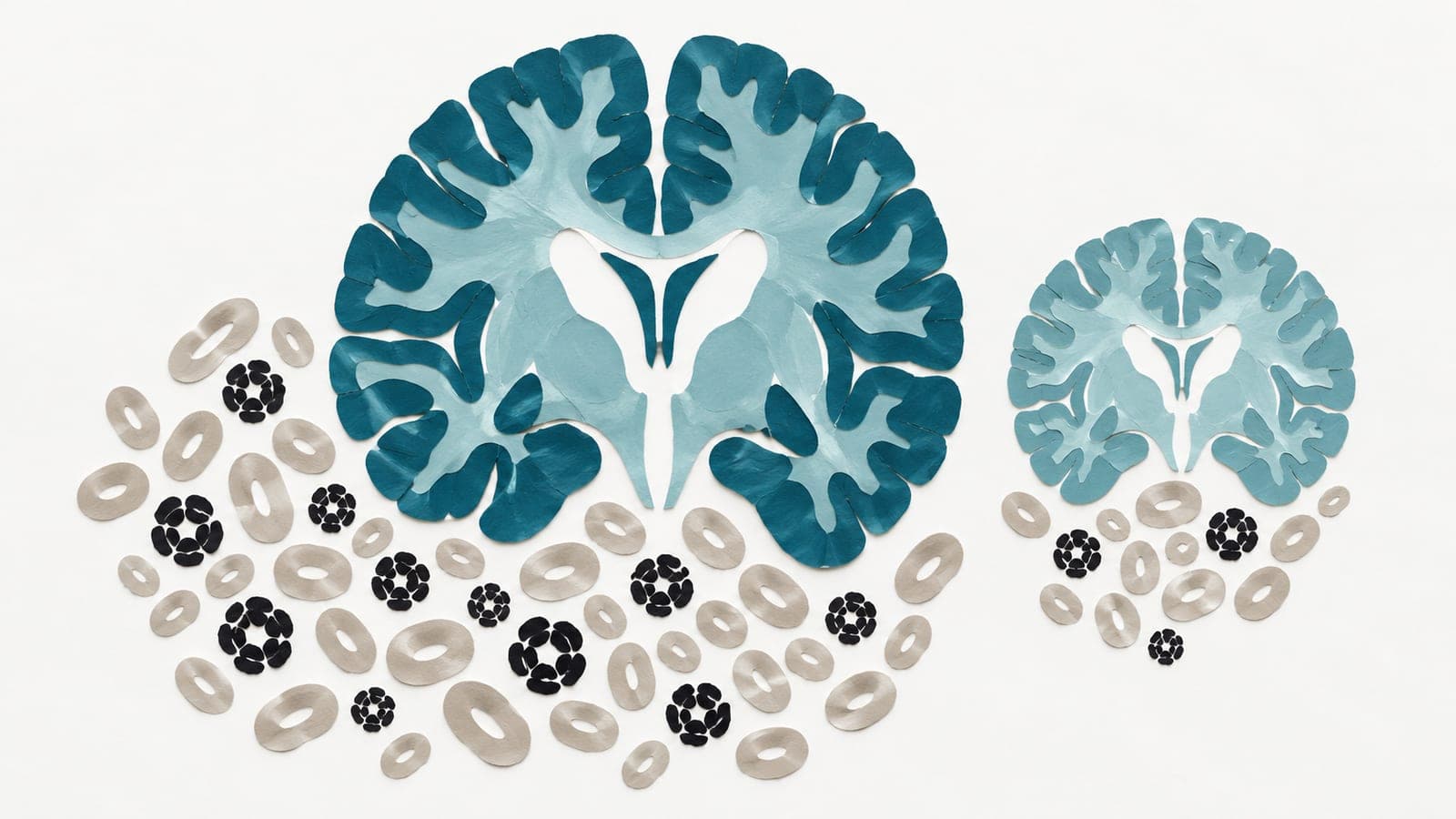
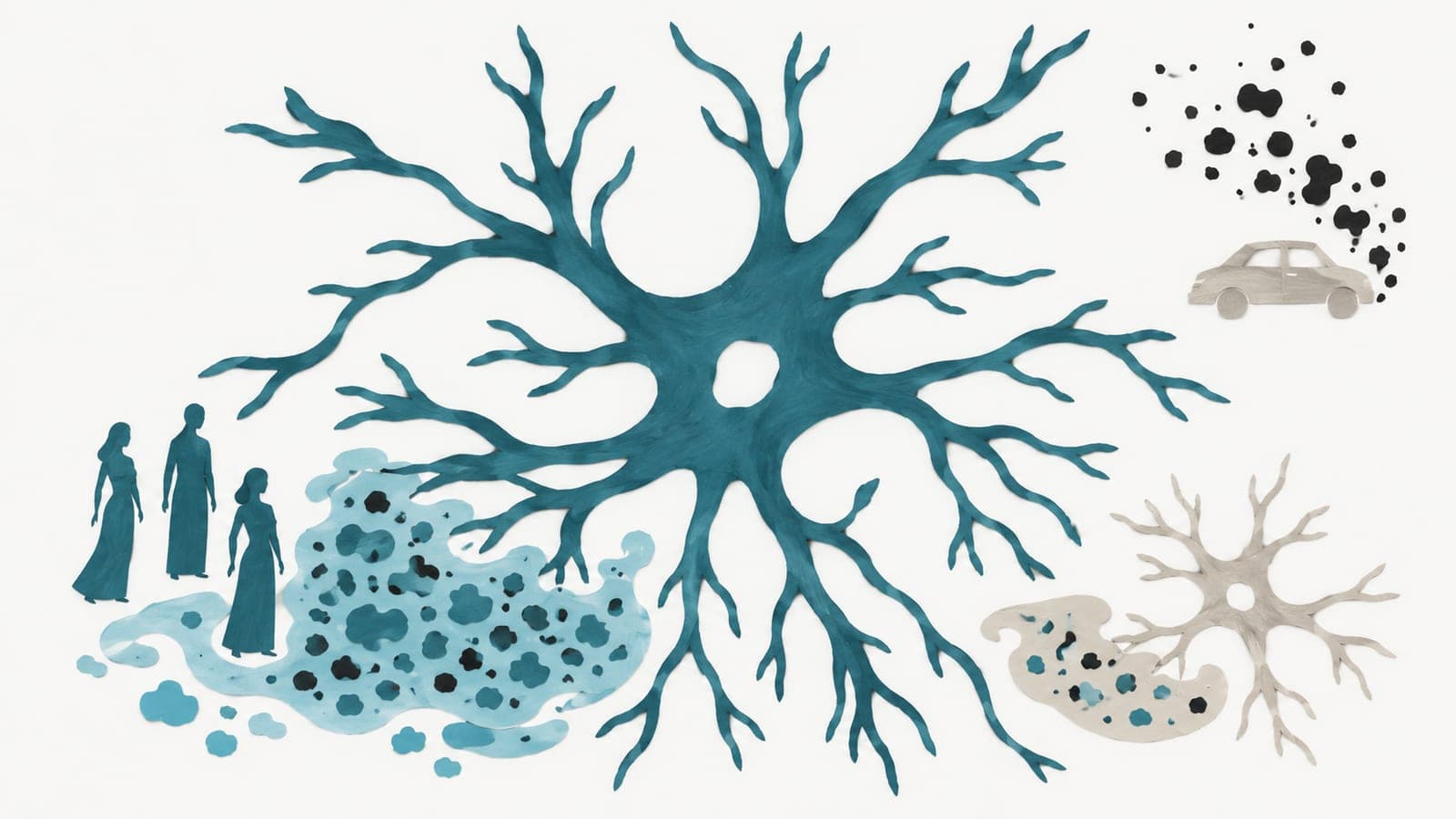
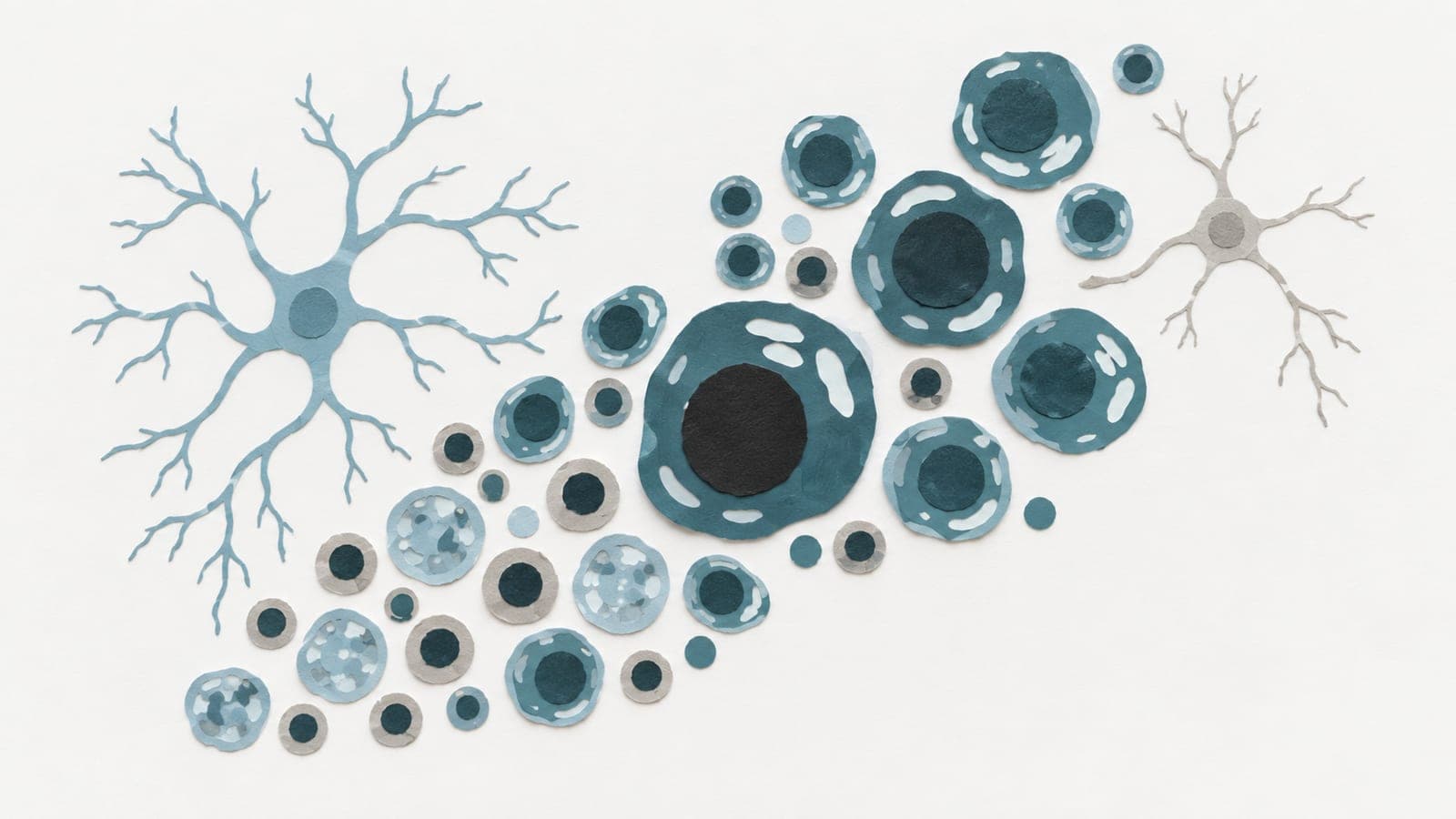
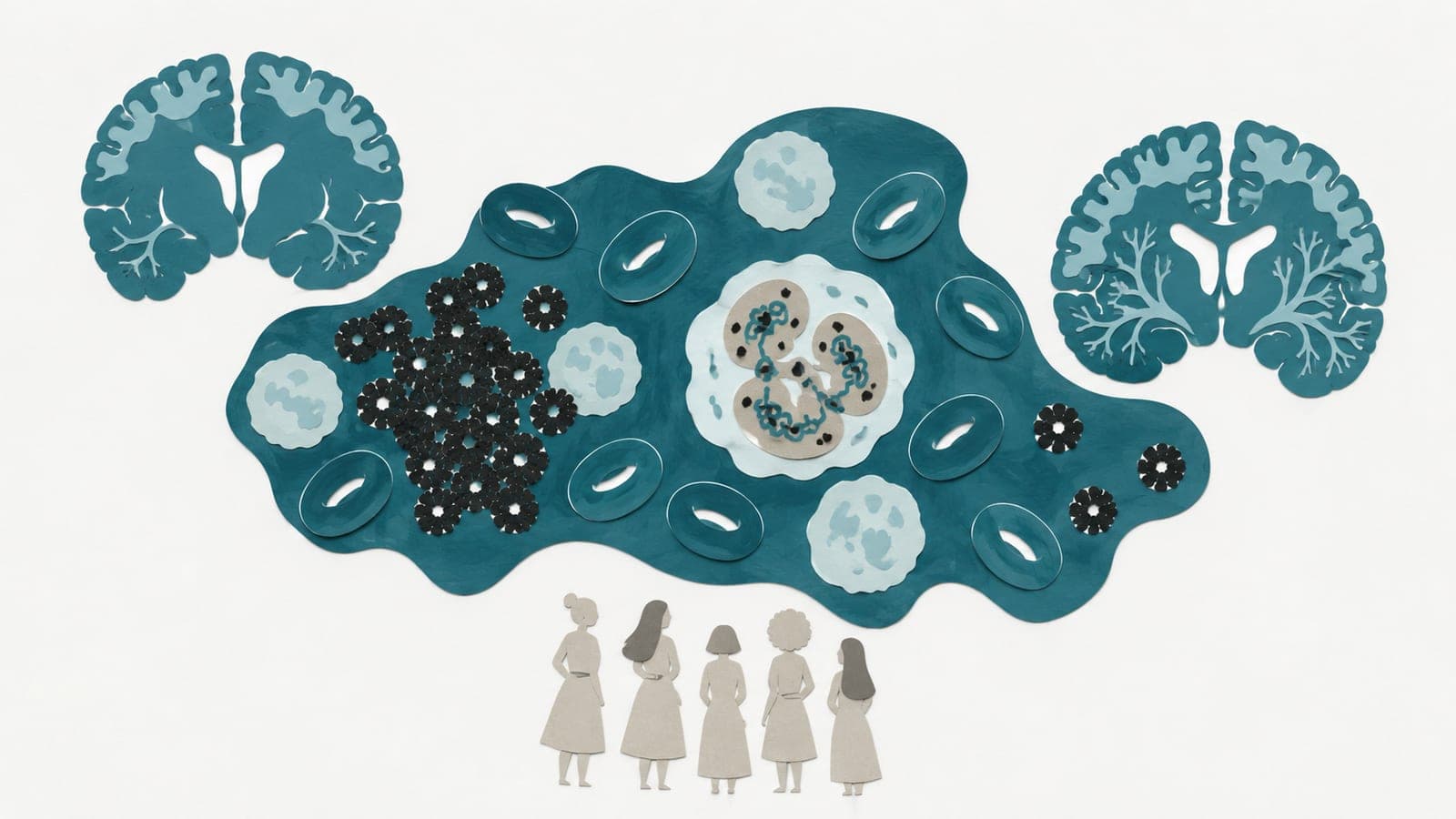
In a cohort of 137 mother–offspring pairs, links between prenatal inflammation and cognitive performance at ages 57–62 differed by pregnancy stage.
Limit: Cognitive decline over time was not measured
Edited by Boris Djordjevic · AgingResearch.News
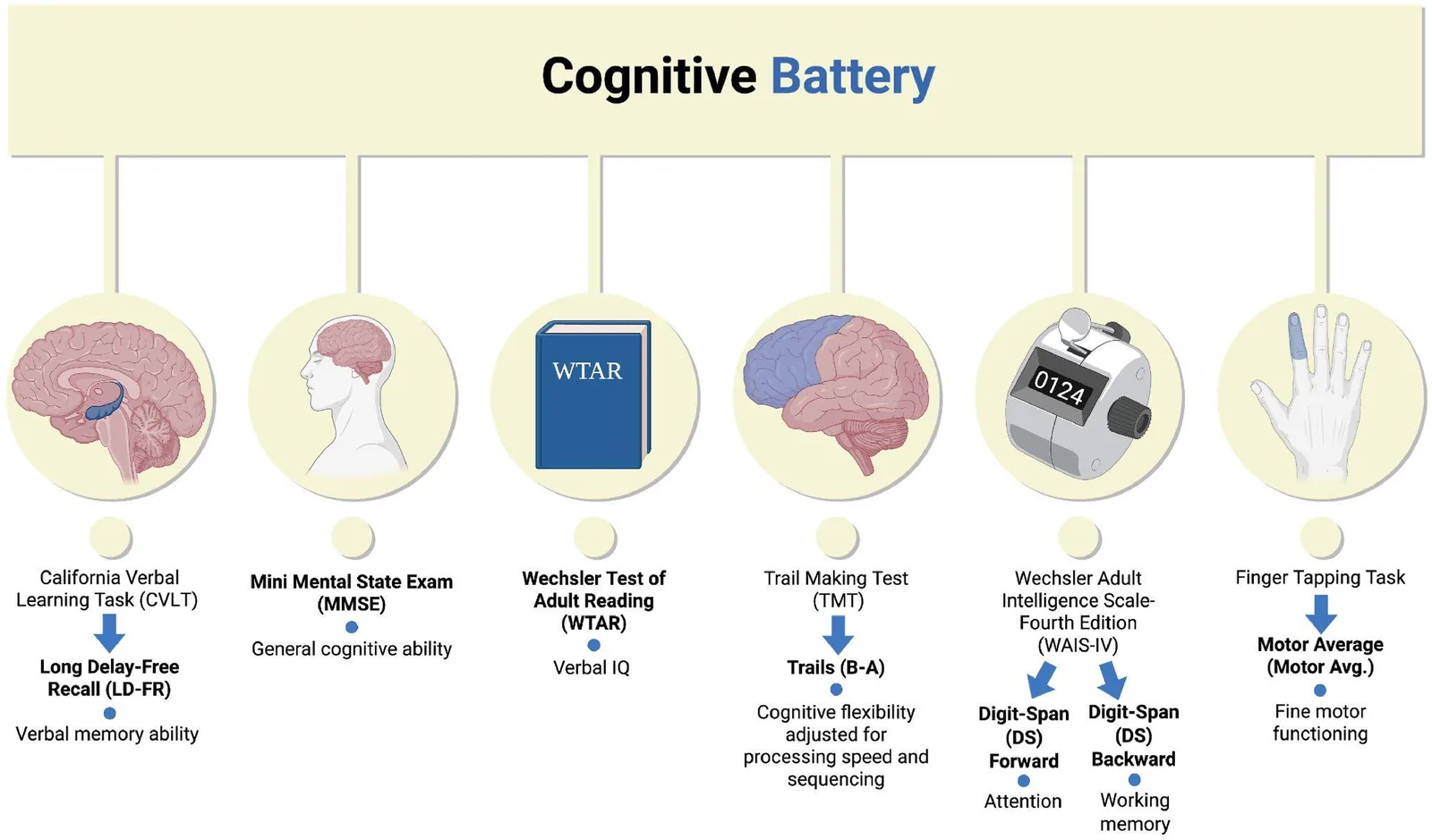
An observational study of 137 mother–offspring pairs from the Child Health and Developmental Studies cohort examined offspring cognitive performance at ages 57–62. Researchers used measures of inflammation-related proteins in maternal blood from the first and second trimesters of pregnancy. Offspring took tests of memory and other thinking abilities.
After accounting for maternal education, higher levels of certain first-trimester inflammation markers were associated with better executive control—the ability to manage thoughts and actions—and working memory, which holds information briefly for use. Higher levels of certain second-trimester inflammation markers were associated with poorer executive control, working memory, verbal intelligence and verbal memory. The associations differed across the proteins measured.
Why it matters
The study addressed whether conditions before birth may relate to cognitive abilities in later life, rather than only during early development.
Caveats
This observational study could not establish cause and effect or show cognitive decline over time. The findings came from one cohort of 137 mother–offspring pairs.
The paper
Prenatal maternal inflammation and cognitive performance in offspring during late midlife
Temple University
Brain, Behavior, & Immunity - Health, Oct 6, 2026, Open access