Protein pathway promotes lung blood vessel changes in mice
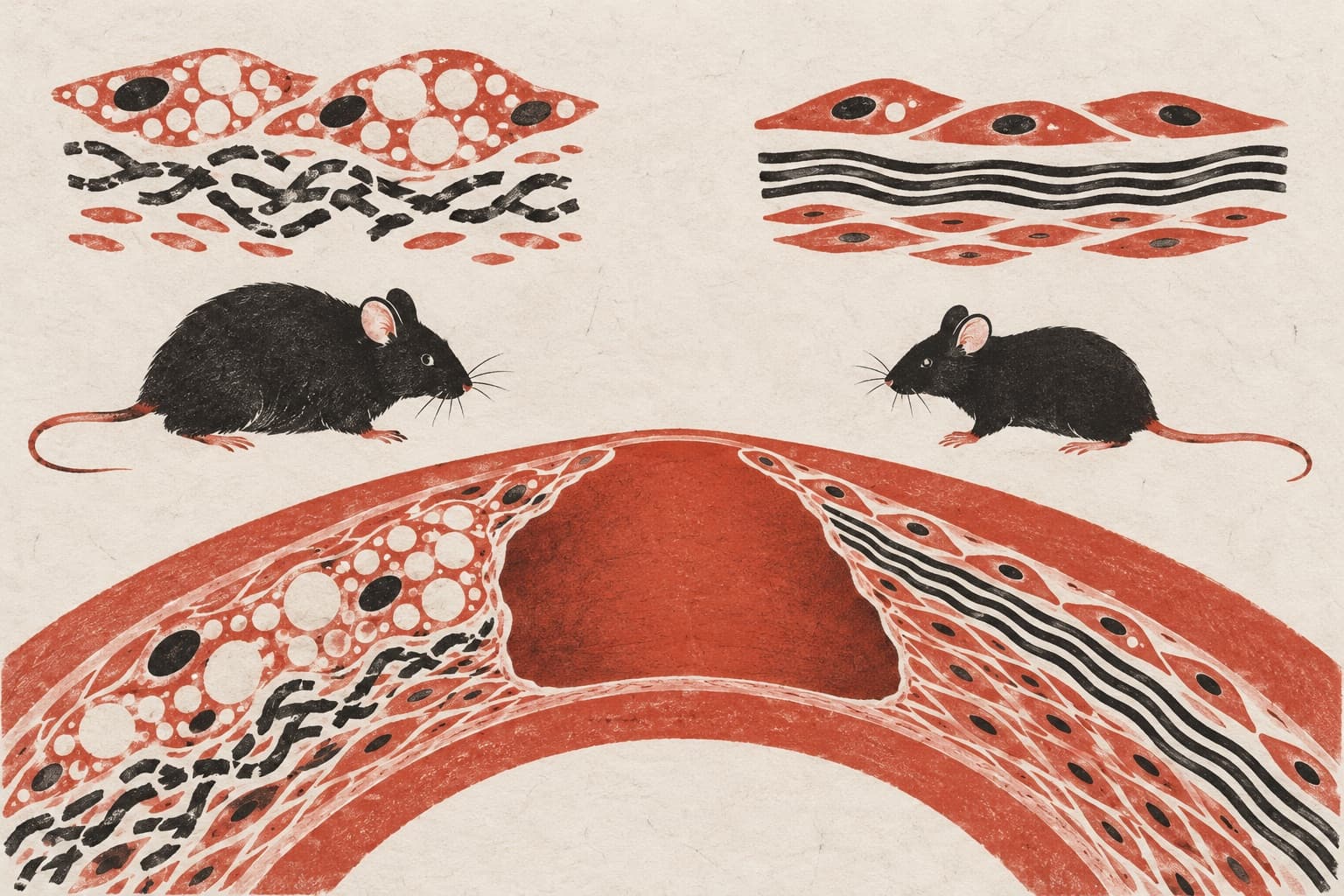
In mice with pulmonary hypertension caused by low oxygen, deleting a gene in certain immune cells reduced structural changes to lung blood vessels.
Limit: Effects on right ventricular failure were not reported alongside reduced lung vessel remodeling
Edited by Boris Djordjevic · AgingResearch.News
In experiments in mice, researchers studied pulmonary hypertension, high blood pressure in the lungs’ blood vessels, caused by low oxygen. They used bone marrow transplants to delete the gene for thioredoxin-interacting protein in myeloid cells, a group of immune cells. This reduced structural changes to lung blood vessels caused by low oxygen.
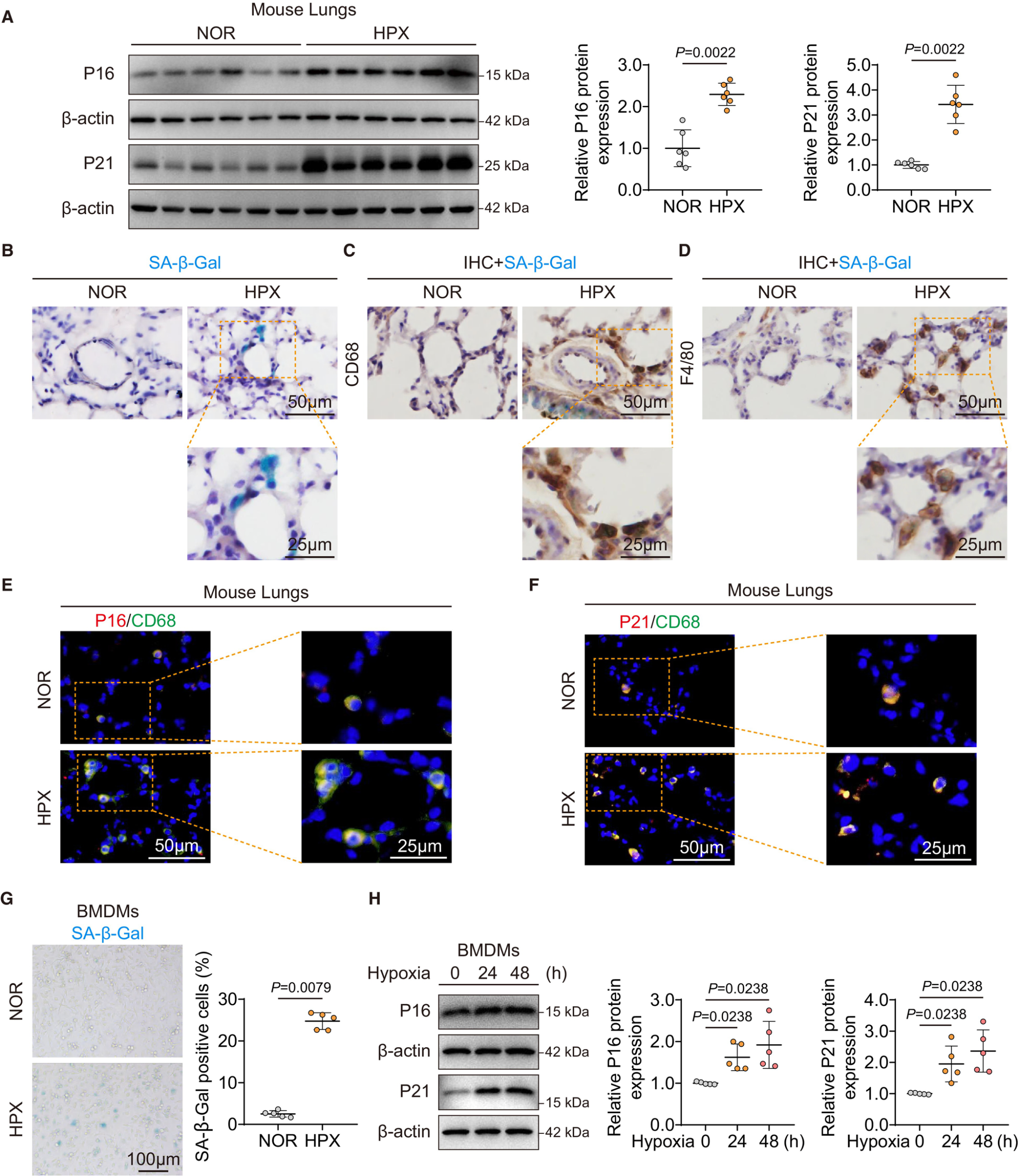
In lab experiments with bone marrow-derived macrophages, a type of immune cell, thioredoxin-interacting protein bound to and stabilized a second protein. This promoted senescence, a state in which cells stop dividing, under low oxygen. Liquid collected from senescent macrophages increased the multiplication and movement of pulmonary artery smooth muscle cells. The researchers concluded that this protein pathway promoted macrophage senescence and blood vessel changes in pulmonary hypertension caused by low oxygen.
Why it matters
The work addresses a question relevant to aging biology: how senescent immune cells affect surrounding tissues. The authors suggested that targeting this pathway may offer a strategy for pulmonary hypertension caused by low oxygen.
Caveats
The functional experiments used mice and cells grown in the lab, not people. They did not establish whether targeting this pathway would benefit people with pulmonary hypertension.
The paper
Nanjing Medical University; Affiliated Hospital of Jiangsu University
Journal of the American Heart Association, Oct 23, 2026, Open access