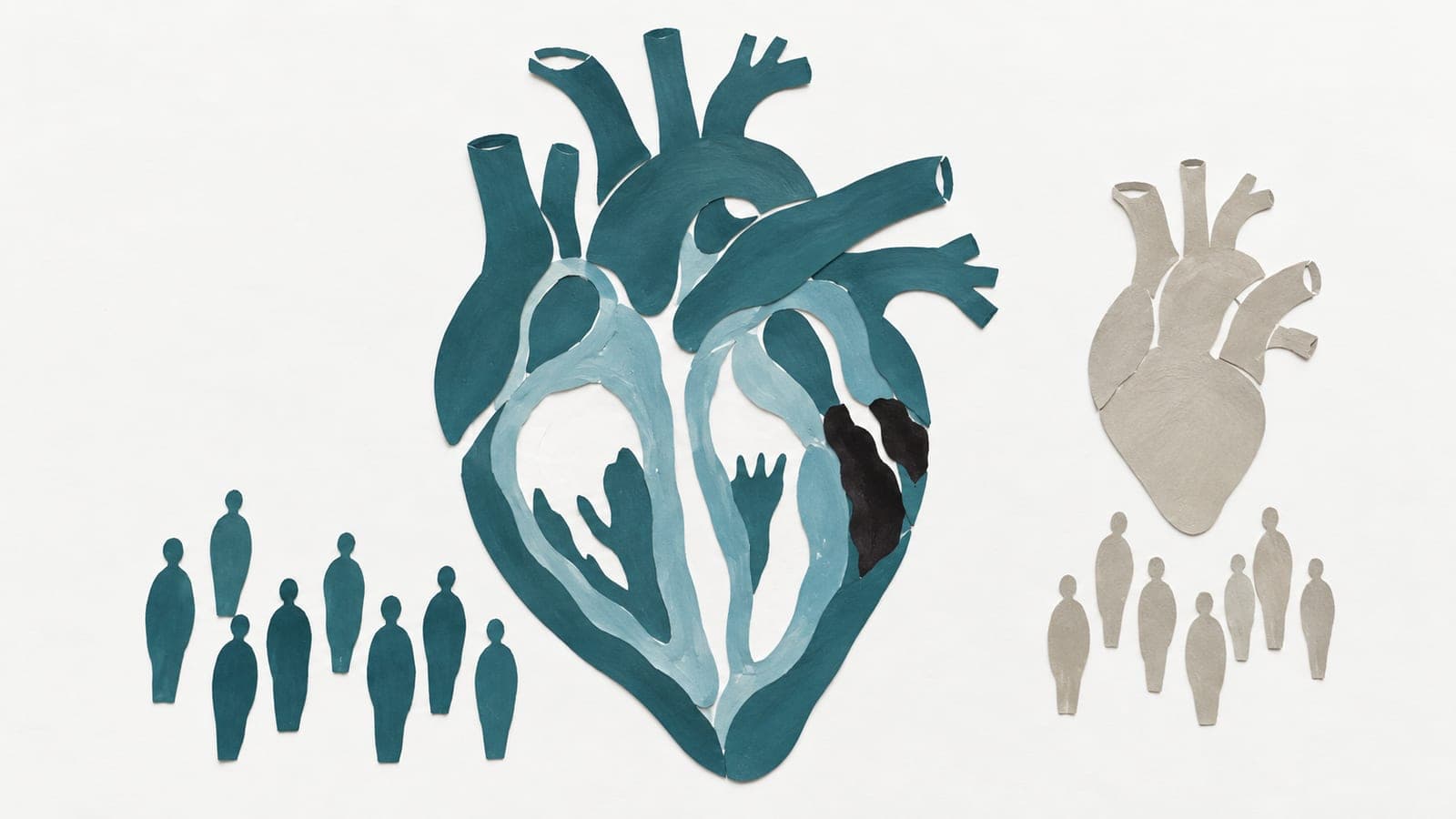
Poor sleep health linked to heart disease and risk of death
An observational study of 257,509 UK Biobank participants linked healthier scores across seven aspects of sleep to lower cardiovascular disease and death risks.
Limit: Sleep was self-reported at baseline, risking recall errors and misclassification
Edited by Boris Djordjevic · AgingResearch.News
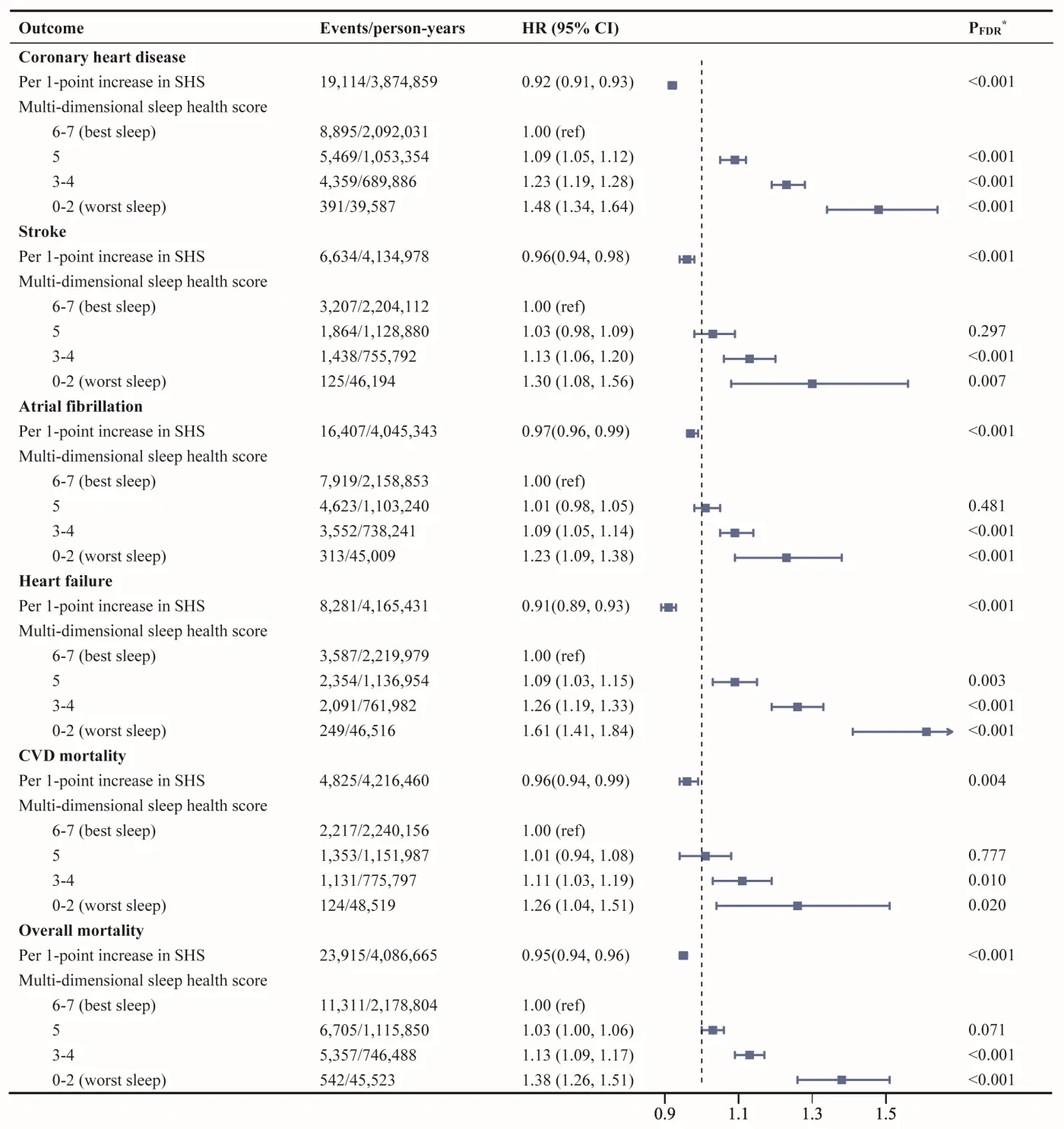
In 257,509 UK Biobank participants, an observational study examined links between sleep health, cardiovascular disease and death. Researchers used questionnaires collected at the start of the study to score seven aspects of sleep and group participants by sleep patterns.
Higher sleep health scores were associated with lower risks of cardiovascular disease and death from cardiovascular causes or any cause. The strongest disease associations were for heart failure and coronary heart disease, which affects the heart’s blood supply. Patterns involving mixed sleep disturbances or sleep that did not feel refreshing were linked to higher risks across multiple outcomes. Among 26,984 participants with blood protein measurements, exploratory analyses suggested that proteins related to inflammation, immunity and other processes might be involved in these associations.
Why it matters
Cardiovascular prevention matters for health in later life. The authors supported assessing several aspects of sleep as part of population-level prevention efforts.
Caveats
The observational design cannot show that healthier sleep prevented disease or death. Sleep assessments relied on baseline questionnaires, and the protein findings were exploratory.
From the paper
- Participants
We analysed data on 257,509 individuals from the UK Biobank, including 26,984 with available plasma proteomic data.
- Limitation
First, despite the prospective design and extensive covariate adjustment, the observational nature of this study precludes definitive causal inference, and residual confounding, unmeasured confounding, and reverse causation cannot be fully excluded.
Quoted word for word from the full text on jogh.org.
The paper
Qingdao University
Journal of Global Health, Oct 23, 2026, Open access