Diet and activity program improved leg strength in older adults
At three months, participants assigned to the program improved by 1.3 more chair stands in 30 seconds than those in the control group.
Registered NCT05140330
Limit: Dietary diversity, a primary outcome, improved no more with the program than control
Edited by Boris Djordjevic · AgingResearch.News
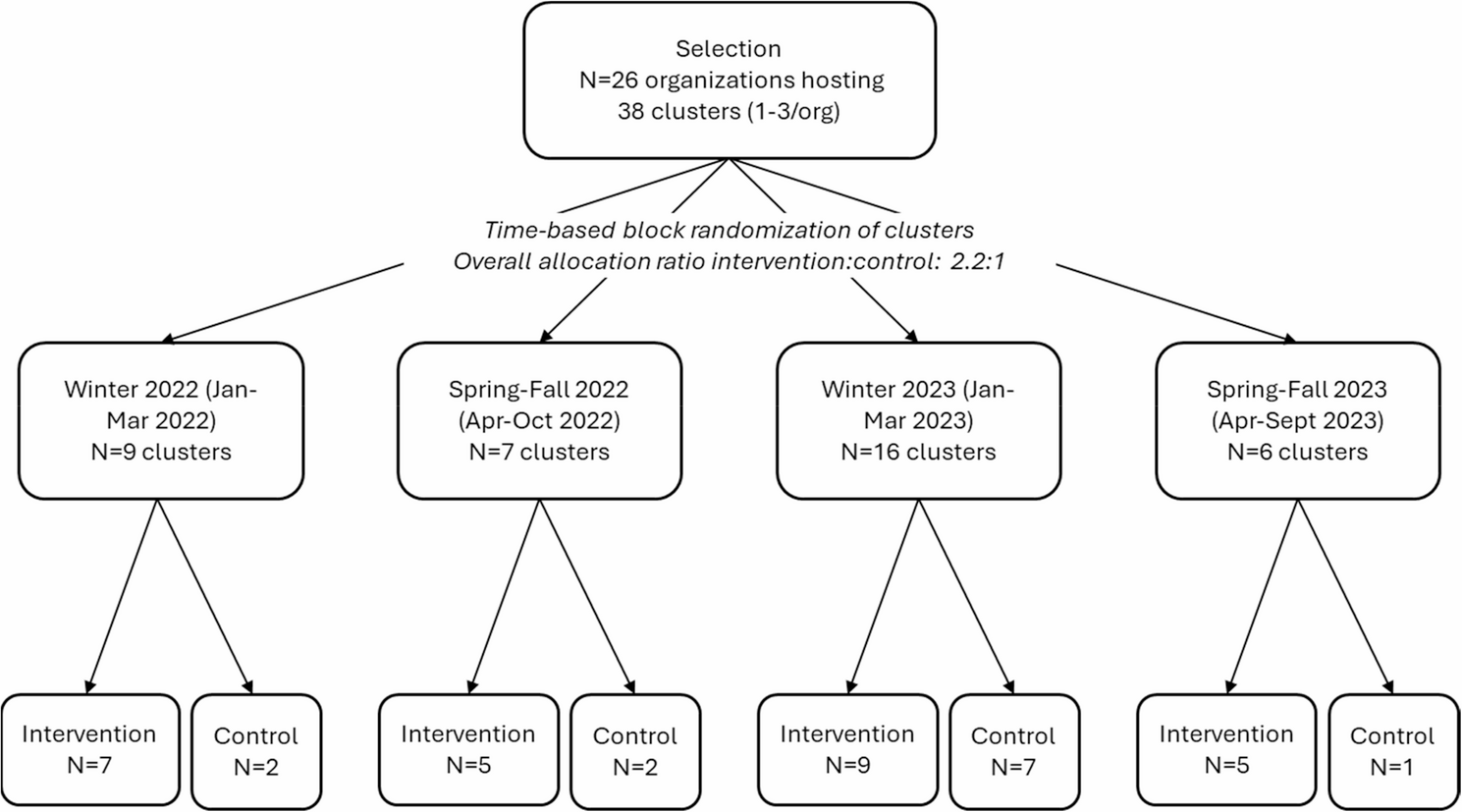
A cluster-randomized trial in France analyzed 376 community-dwelling adults aged 60 or older. Researchers randomly assigned participant groups to the ALAPAGE diet and physical activity program or a control group. The program provided seven weeks of weekly group sessions supervised by a dietitian, a qualified physical activity professional, or both, followed by 12 weeks of unsupervised activity.
Researchers assessed leg strength by counting chair stands completed in 30 seconds. At the three-month assessment, performance improved by 15% in the program group and 5% in controls. The increase was significantly greater with the program. Dietary diversity—a proxy for diet quality assessed using dietary recalls and a questionnaire—improved in both groups, without a significant difference between them.
Why it matters
Leg strength is associated with the ability to perform daily activities, making it relevant to preventive programs aimed at supporting healthy aging.
Caveats
The outcomes measured dietary variety and leg strength, not daily functioning. The findings concern community-dwelling adults aged 60 or older in France; the abstract did not report adverse events.
The paper
Université de Bordeaux; Laboratoire de Physiologie Expérimentale Cardiovasculaire
BMC Geriatrics, Jul 22, 2026, Open access