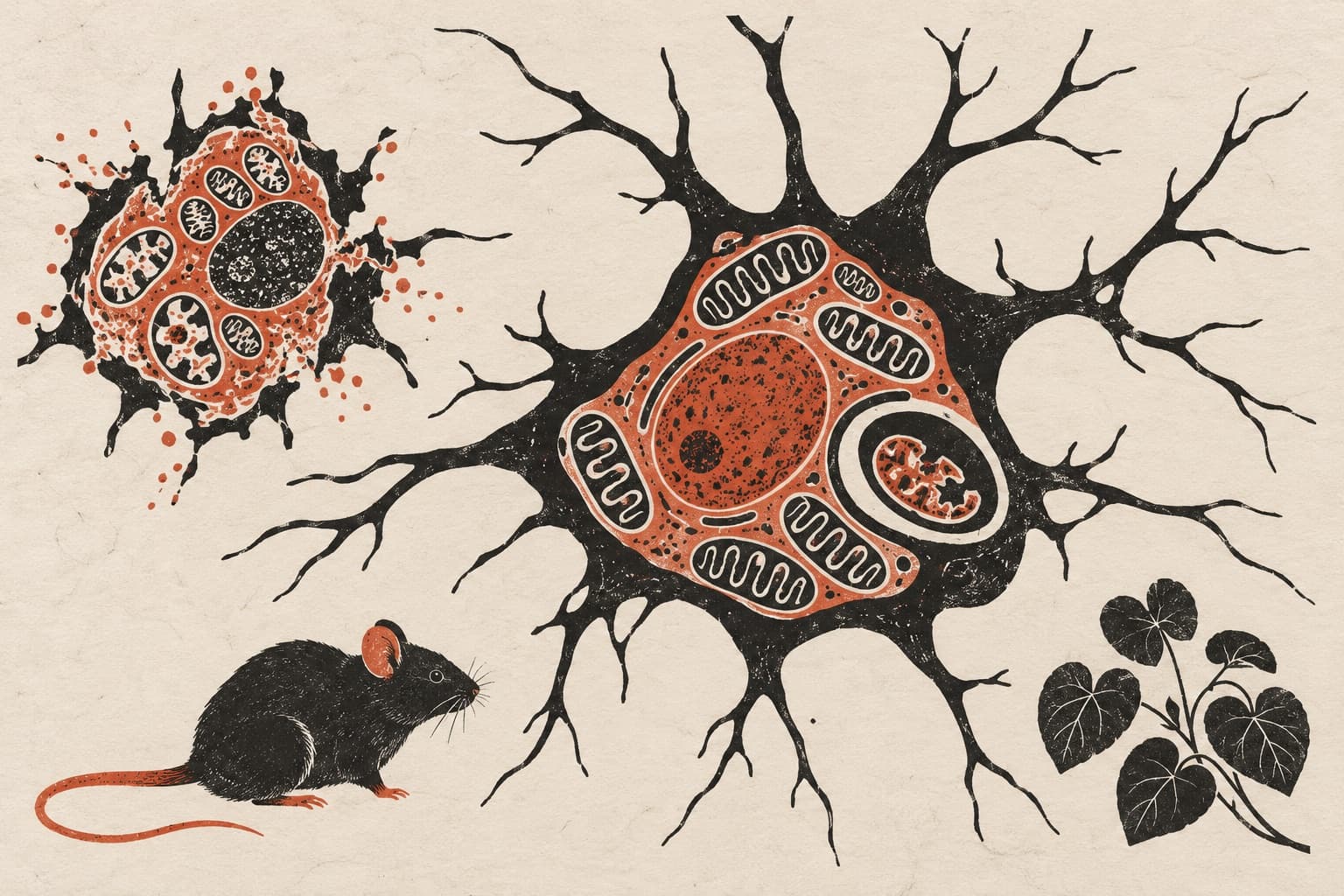
Apelin-13 prevented an aging-related state in lab-grown nerve cells
Experiments in human nerve-cell models found that apelin-13 restored a cellular recycling process disrupted by D-galactose, a sugar used to induce aging-like changes.
Limit: D-galactose-induced senescence stood in for natural brain aging
Edited by Boris Djordjevic · AgingResearch.News
In experiments in human stem-cell-derived nerve cells and SH-SY5Y cells, a human nerve-cell model, researchers tested apelin-13 against senescence, a state in which cells stop dividing. They used the sugar D-galactose to induce this state.
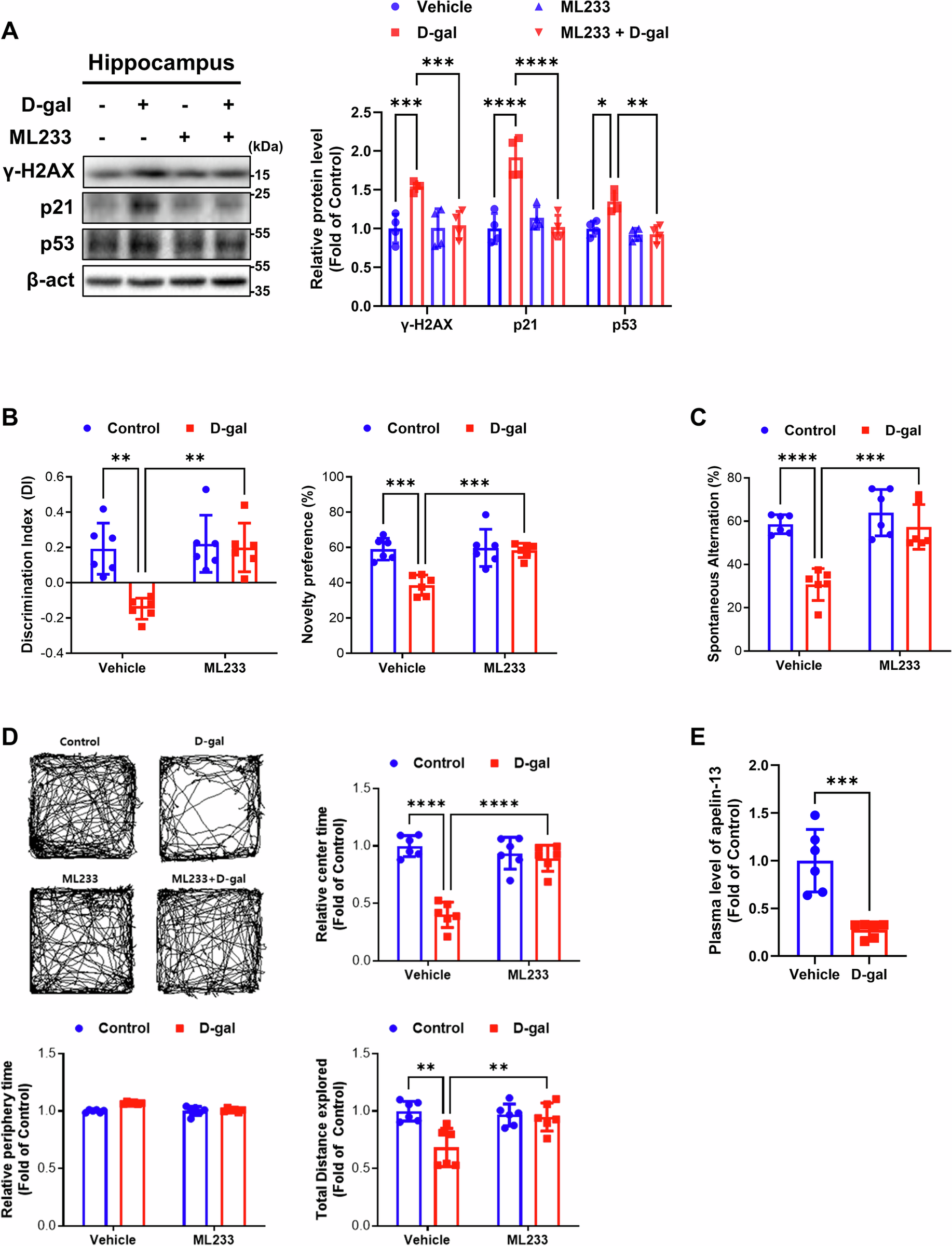
Apelin-13 restored autophagy, the process cells use to break down and recycle material. It inhibited a protein complex that regulates cell growth, allowing this recycling process to recover. Restored recycling promoted clearance of GATA4, a protein that controls gene activity and increases inflammatory signals that can spread senescence to nearby cells. In SH-SY5Y cells, apelin-13 did not remove excess reactive oxygen molecules generated by D-galactose. A separate experiment in mice given D-galactose tested ML233, a compound that activates the protein receiving apelin’s signals. It reduced brain aging and cognitive impairment.
Why it matters
Nerve-cell senescence is implicated in brain aging. The authors highlighted apelin-13 as a candidate for research on age-related cognitive decline.
Caveats
The cell experiments used D-galactose to induce senescence rather than studying natural brain aging. The mouse experiment tested a different compound, and neither system established cognitive benefits from apelin-13 in people.
The paper
Seoul National University
Cell Death & Disease, Jul 27, 2026, Open access