Tiny packages promote calcium buildup in lab-grown human valve cells
Experiments in human valve cells found that Gas6, a protein, helped release tiny packages that promoted calcium deposits in other valve cells.
Limit: The specific molecular cargo of the vesicles was not fully characterized
Edited by Boris Djordjevic · AgingResearch.News
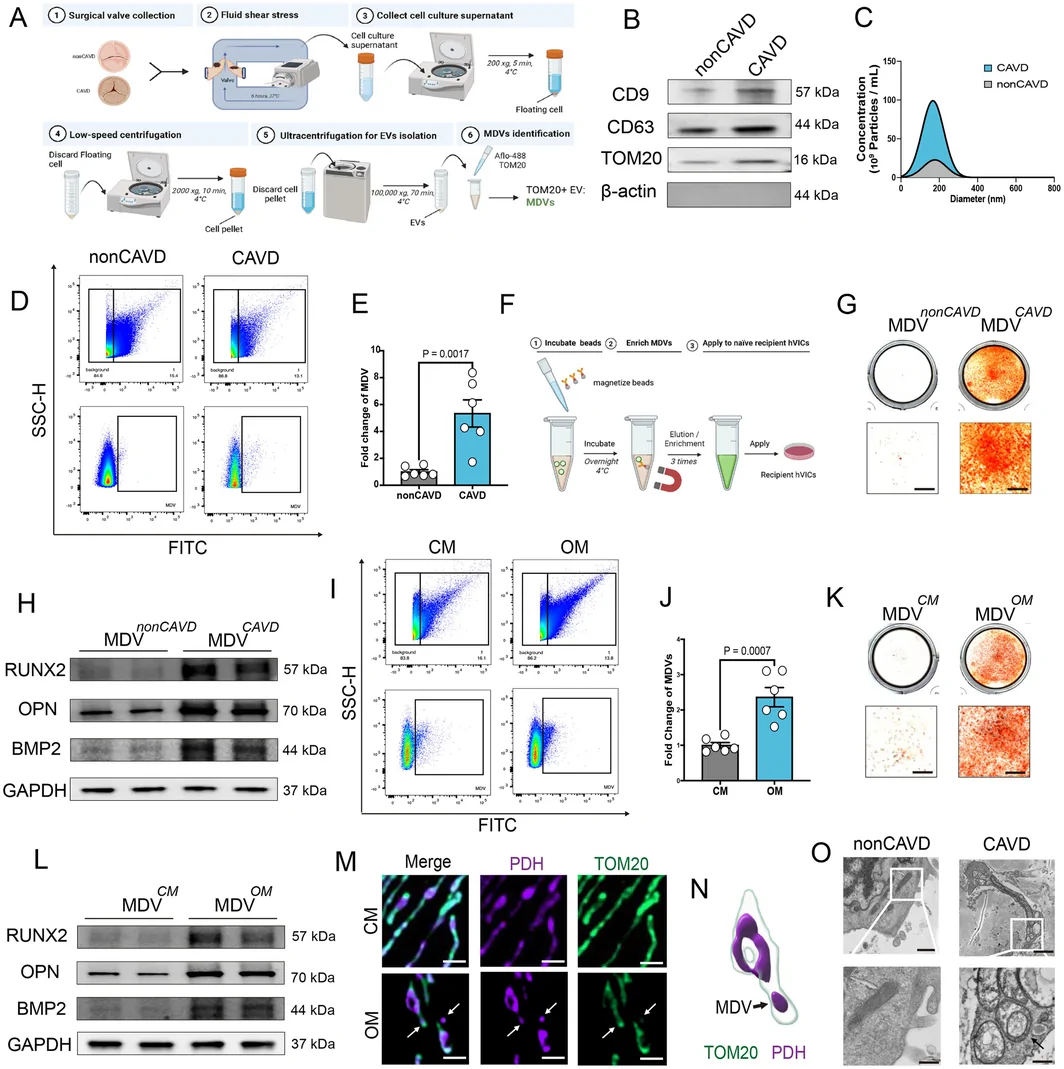
In experiments with human valvular interstitial cells, a type of heart valve cell, researchers investigated how calcium deposits could spread between cells. They also studied human tissue with calcific aortic valve disease, an age-associated condition involving calcium deposits in the valve.
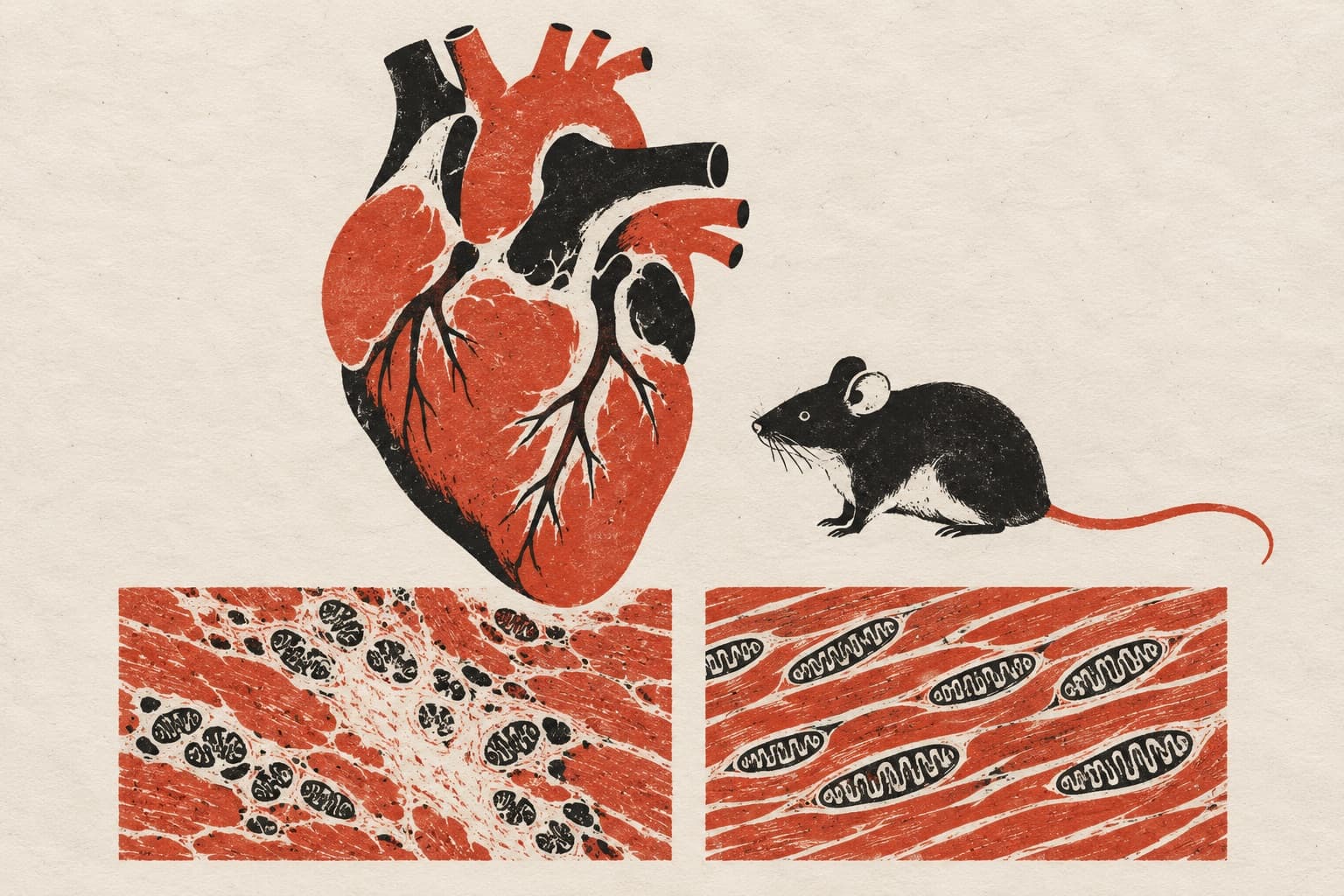
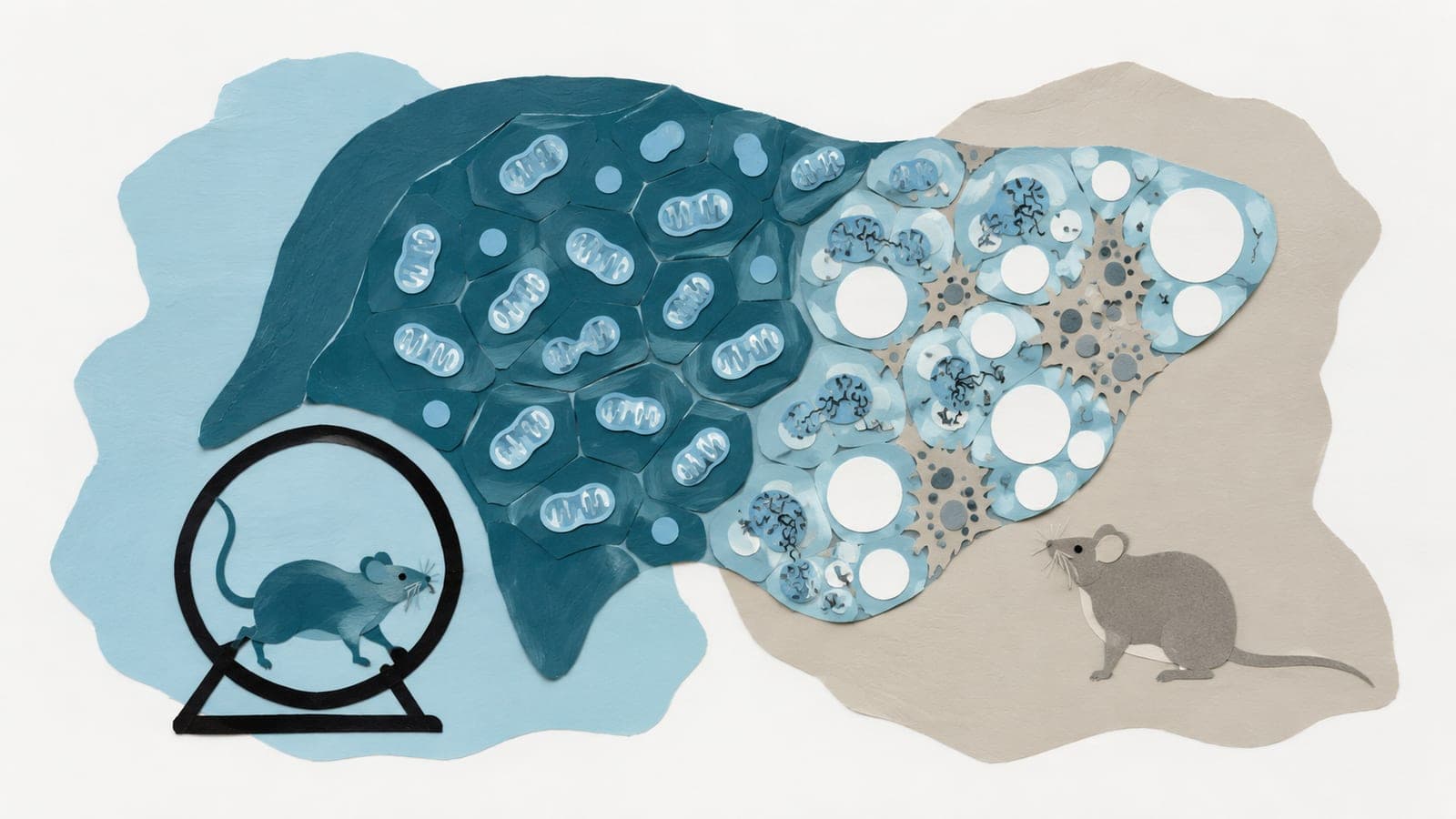
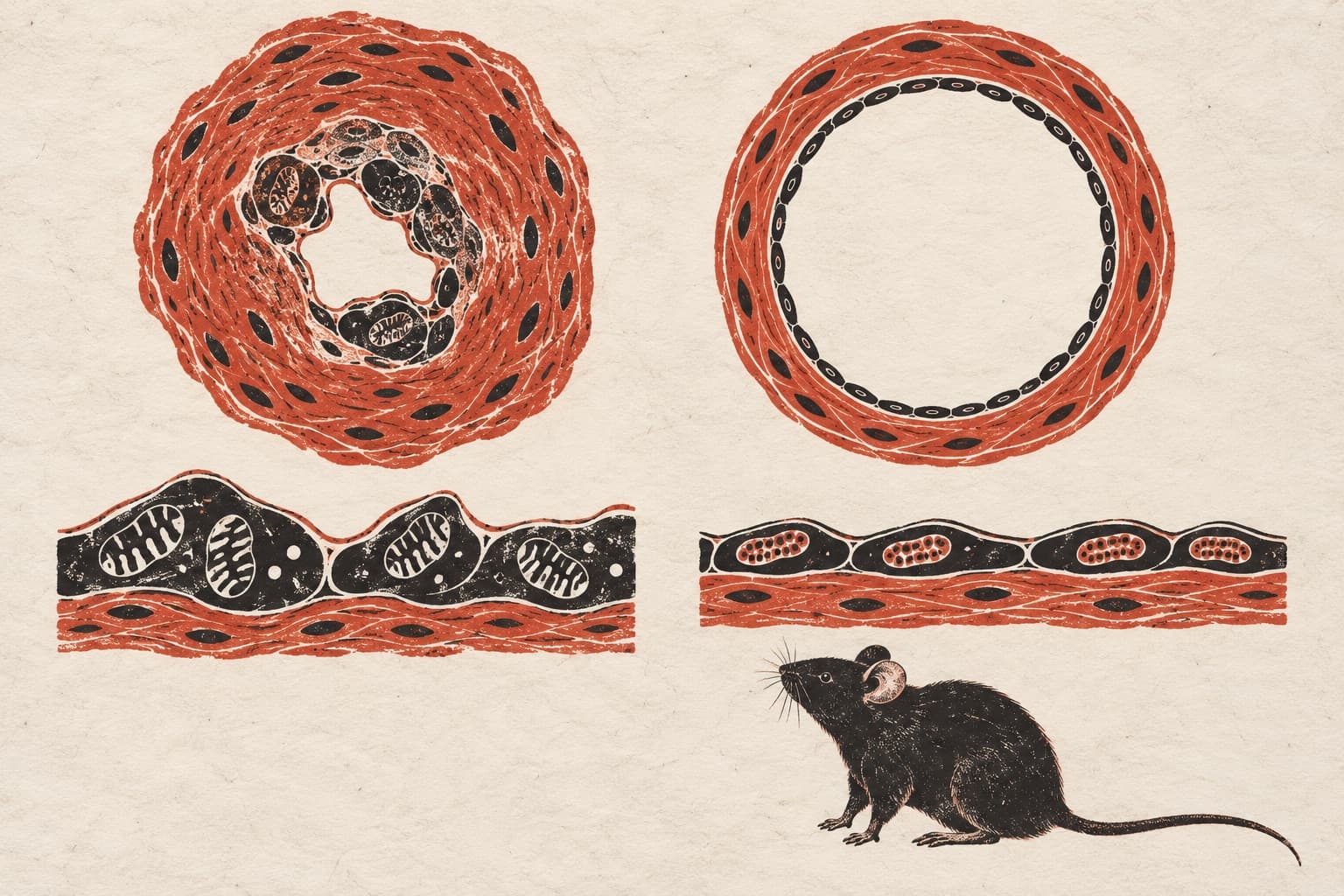
Cells forming deposits released excessive amounts of tiny packages from mitochondria, the cell’s energy-producing structures. These packages promoted calcium deposits in recipient valve cells. Gas6, a protein, helped the packages complete their separation from mitochondria. Blocking either of two proteins involved in this separation reduced package release and subsequent calcium deposits in recipient cells. The diseased human valve tissue and cells grown under conditions encouraging bone formation also showed features associated with senescence, a state in which cells stop dividing.
Why it matters
Calcific aortic valve disease is associated with aging. This work addresses how calcium deposits spread from isolated spots into neighboring tissue.
Caveats
The cell-transfer findings came from laboratory experiments, not a treatment study in people. They do not establish whether blocking Gas6 would benefit people with valve disease.
From the paper
- Limitation
First, although our transfer experiments showed that MDV preparations exerted pro-calcific effects, the uptake mechanisms in recipient cells and the downstream events that promote recipient-cell calcification, such as potential activation of cGAS–STING, remain to be defined (West et al. 2015).
Quoted word for word from the full text on onlinelibrary.wiley.com.