Lactate export may contribute to aging defects in egg cells
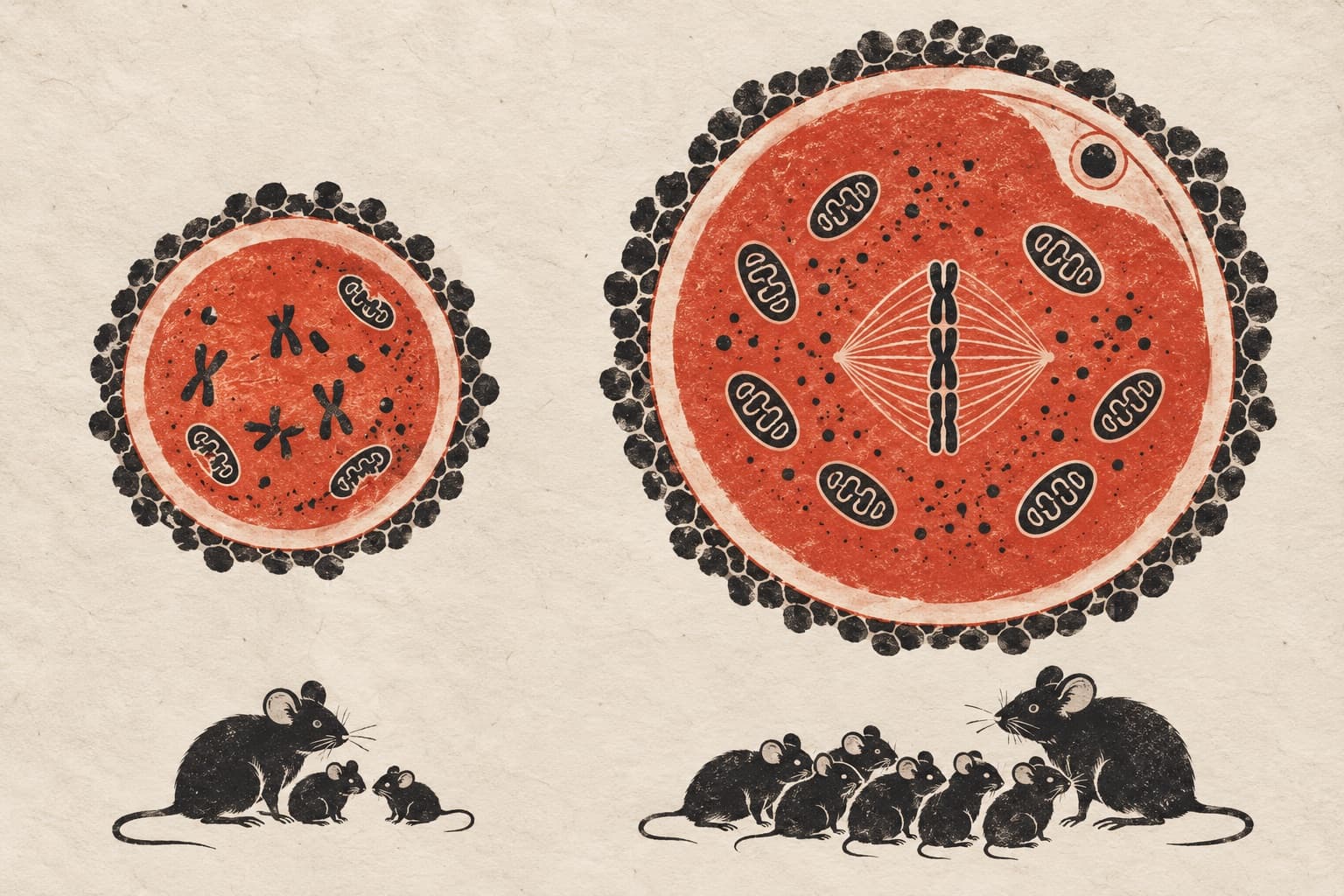
In laboratory experiments, inhibiting a protein involved in moving lactate out of cells improved the quality of aged egg cells.
Limit: Direct measurements of egg-cell lactate flux in the native ovarian environment are missing
Edited by Boris Djordjevic · AgingResearch.News
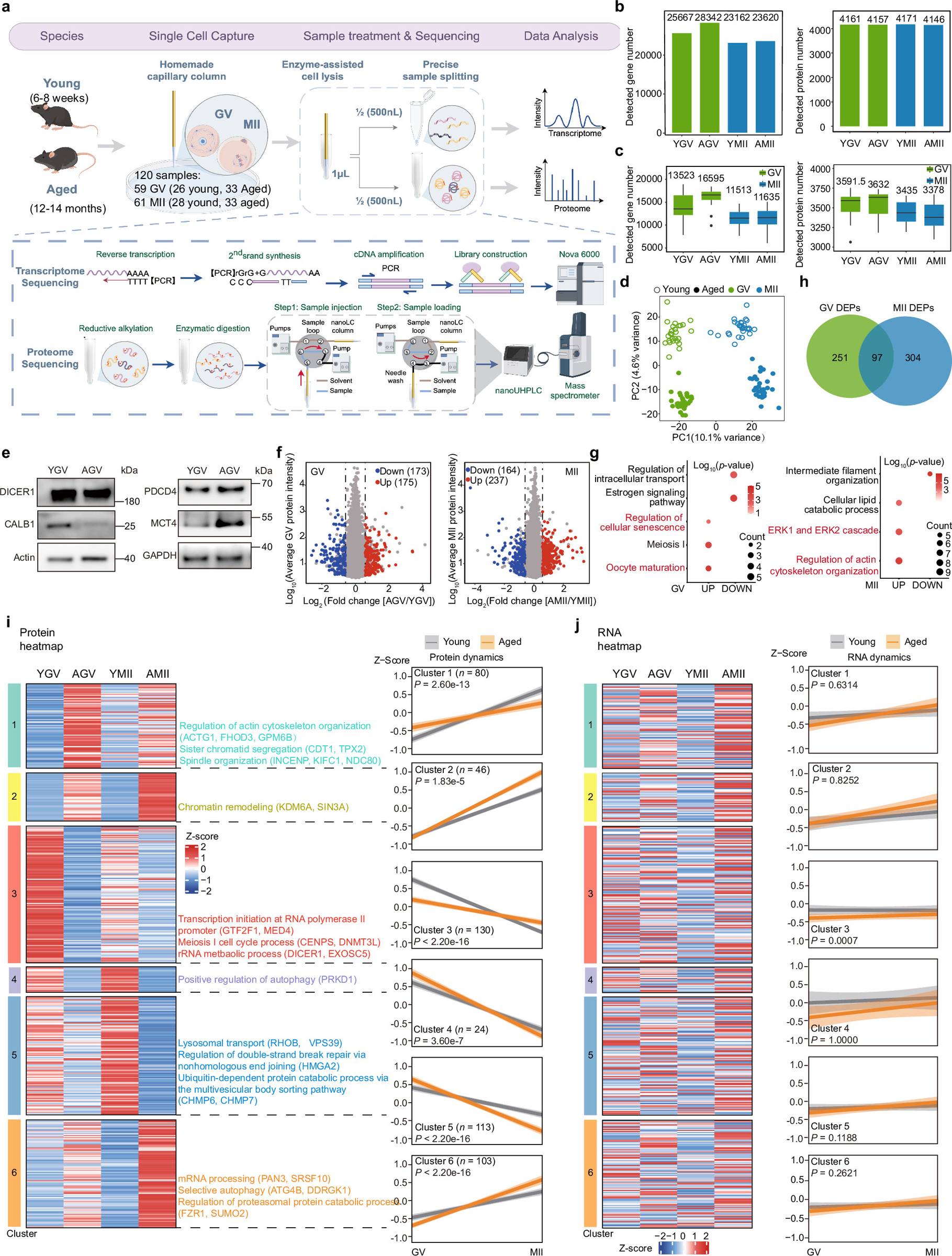
In a laboratory study of mouse and human oocytes, or egg cells, researchers measured proteins and RNA together in individual cells. They found age-related changes that differed by species and stage of egg development. Protein changes did not closely match RNA changes, indicating that RNA levels were not the main drivers of protein changes in aged eggs.
The team identified MCT4, a protein involved in exporting lactate from cells, as a candidate marker of egg-cell aging. Lactate is a substance cells produce when breaking down sugar. Functional experiments suggested that MCT4 contributed to aging-associated egg-cell defects through lactate export. Inhibiting MCT4 improved aged egg-cell quality. The researchers identified altered lactate metabolism as a candidate marker and target for intervention.
Why it matters
Age-related declines in egg quality are a major risk factor for female infertility. Measuring proteins alongside RNA may help researchers investigate the molecular changes involved in reproductive aging.
Caveats
These cell findings do not establish improvements in human fertility. The abstract did not give sample sizes or specify which species supplied cells for the inhibition experiments.
From the paper
- Limitation
First, although we used cumulus-enclosed GV oocytes and in vivo VB124 treatment to evaluate MCT4 function in the physiological contexts, it remains technically challenging to directly and specifically assess MCT4-dependent metabolic flux changes in oocytes within the native ovarian microenvironment.
Quoted word for word from the full text on nature.com.
The paper
First Affiliated Hospital Zhejiang University
Nature Communications, Sep 21, 2026, Open access