Blood-fat and frailty score linked to heart and metabolic illness
Among Chinese adults, the highest quarter of cumulative scores was linked to nearly fourfold higher risk of multiple heart and metabolic conditions versus the lowest.
Limit: Self-reported heart disease and stroke risk recall errors and missed undiagnosed cases
Edited by Boris Djordjevic · AgingResearch.News
The prospective cohort study followed 4,157 adults aged 45 and older in China without cardiometabolic multimorbidity—multiple conditions affecting the heart, blood vessels or the body's use of energy. Researchers combined a blood-fat index with a frailty index covering 37 health deficits. Frailty means reduced ability to withstand stresses such as illness. They used repeated measurements to assess cumulative scores and patterns over time.
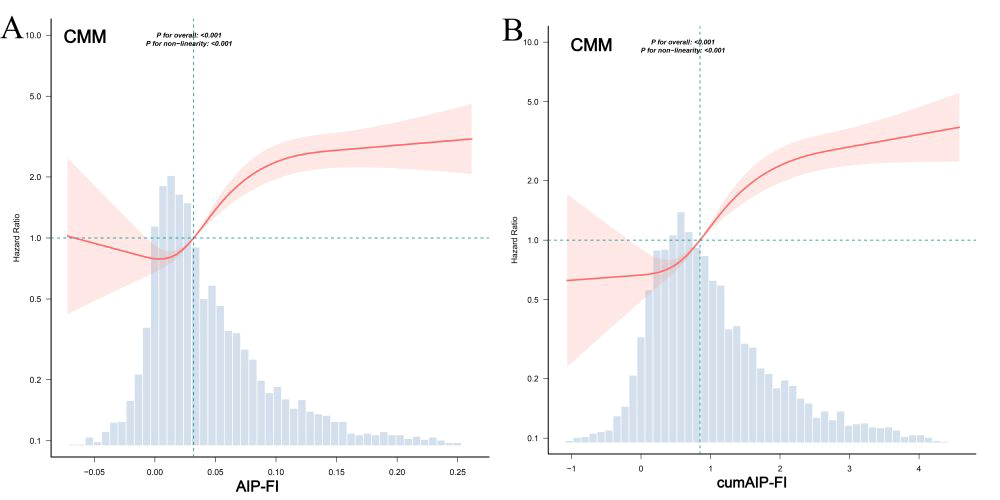
Over an average of 8.5 years, 612 participants developed cardiometabolic multimorbidity. Higher starting and cumulative scores were associated with higher risk, with a stronger association for cumulative scores. Groups whose scores stayed high over time had the highest risks. The researchers suggested that tracking the combined score could help identify middle-aged and older adults in China at high risk.
Why it matters
The work addresses how to identify middle-aged and older adults who may need targeted prevention before several heart and metabolic conditions develop.
Caveats
This observational study could not establish that higher scores caused disease or that monitoring them would prevent it. The findings concern adults aged 45 and older in China without cardiometabolic multimorbidity at enrollment.
From the paper
- Participants
This prospective cohort study included 4,157 participants aged ≥45 years without baseline CMM from CHARLS.
- Follow-up
Over a mean 8.5-year follow-up, 612 incident CMM cases occurred.
- Result
Both higher baseline and cumulative AIP-FI were significantly associated with increased CMM risk, with cumulative exposure showing a stronger effect (fully-adjusted HR per SD increment: 1.46; 95% CI = 1.38–1.54).
Quoted word for word from the full text on jogh.org.
- Cardiometabolic multimorbidity
- Incident cardiometabolic multimorbidity
- 37-deficit frailty index
- Atherogenic dyslipidemia
- Atherogenic index of plasma
- Humans
The paper
First Hospital of Jilin University; Shanghai Jiao Tong University
Journal of Global Health, Oct 19, 2026, Open access


