Area disadvantage linked to faster biological aging
Cross-sectional analyses of 13,174 adults in Great Britain linked greater area deprivation to worse biological aging, thinking skills and self-reported health.
Cohort study
Limit: Follow-up tracked self-reported health, not changes in biological aging
Edited by Boris Djordjevic · AgingResearch.News
In Great Britain, an observational study examined 13,174 adults from the UK Household Longitudinal Study’s 2010–2012 health assessment. Researchers compared area deprivation with biological aging measures, thinking skills and self-reported physical and general health. A subgroup of 3,636 participants provided DNA methylation data—chemical marks on DNA used to estimate biological aging.
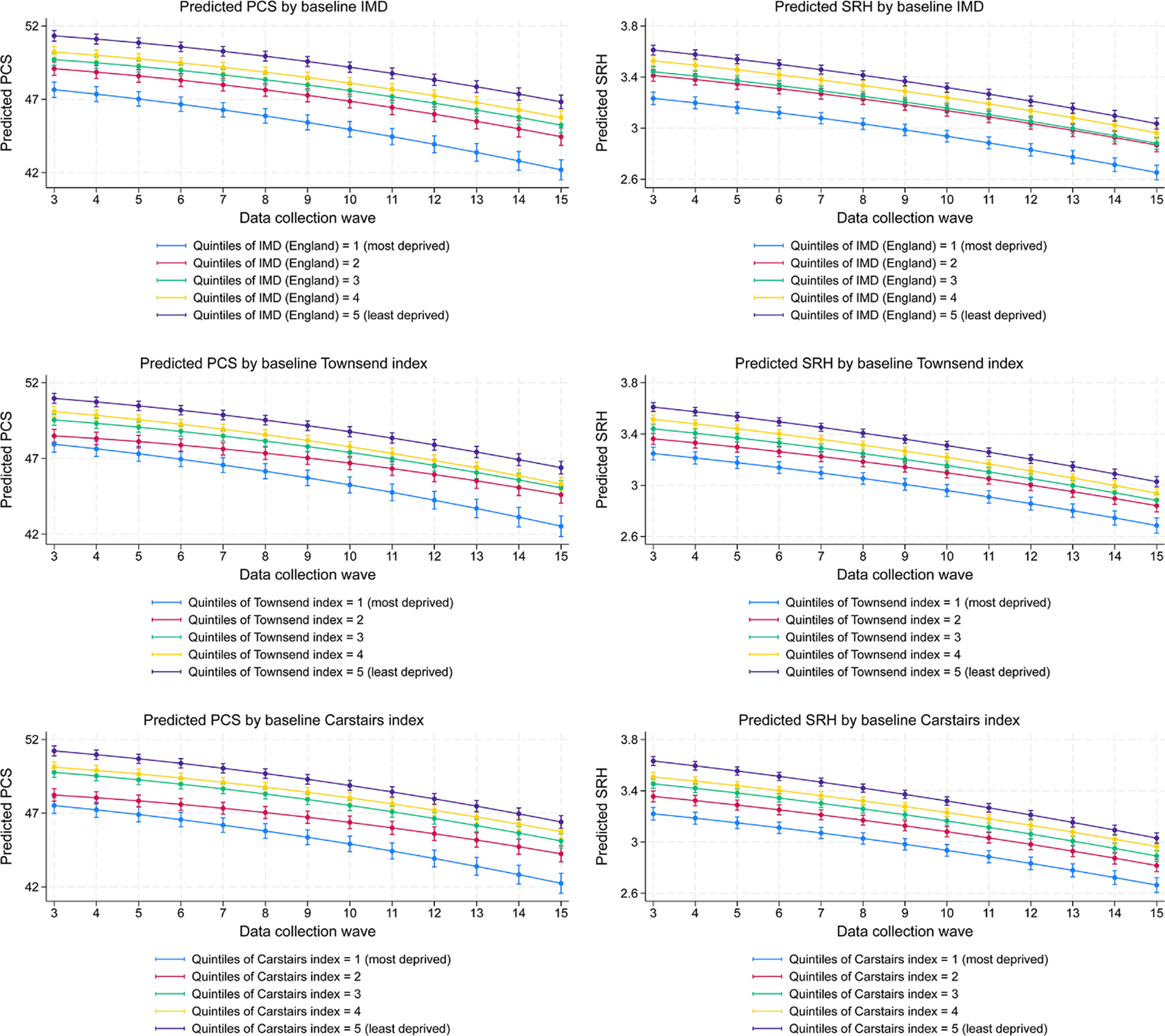
Greater area deprivation was associated with faster biological aging, poorer cognitive performance and worse self-reported health. The pattern was consistent across three measures of deprivation. Researchers also analyzed repeated self-reported health measurements over a subsequent 13-year follow-up. People living in more deprived areas had persistently worse physical and general health over time.
Why it matters
The findings suggest that research on unequal aging across adulthood should consider the socioeconomic conditions of the places people live.
Caveats
The biological aging and cognition analyses were cross-sectional, and the observational design cannot establish cause and effect. The longitudinal findings concerned self-reported health, not changes in biological aging.
- Area deprivation
- DNA methylation
- Self-reported physical and general health
- Biological health score
- Carstairs index
- Humans
The paper
University of Essex
European Journal of Ageing, Jul 22, 2026, Open access

