Genetic score linked to cardiovascular risk in low-risk adults
People in the top 1% of genetic scores had 9-fold higher relative cardiovascular risk than those in the bottom 50%.
Limit: The study did not assess cardiovascular event prevention with score-guided care
An observational cohort study followed 266,917 UK Biobank adults aged 40–74 classified as having low cardiovascular risk. Their median age was 54, and 38% were male. Participants had no cardiovascular disease caused by fatty deposits in arteries or diabetes, took no cholesterol-lowering medication, and had low-density lipoprotein (“bad”) cholesterol below 190 mg/dL.
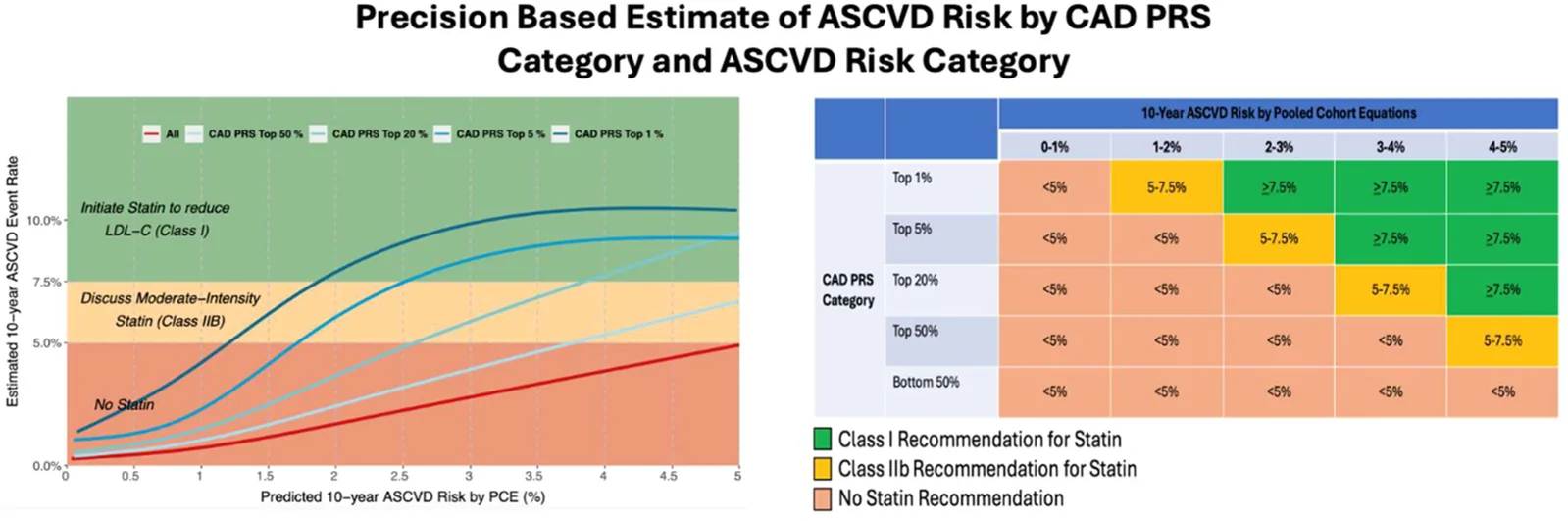
Researchers used a score combining 2.3 million DNA variants to assess inherited risk of coronary artery disease, which affects the heart’s blood supply. They examined heart attacks, strokes caused by blocked blood flow and cardiovascular deaths over 10 years. Higher scores were associated with higher risk. Adding the genetic score to the clinical risk model moved 12% of low-risk participants into higher-risk categories and improved its ability to distinguish people who experienced these events from those who did not.
Why it matters
For age-related cardiovascular disease, the findings raise the question of whether genetic scores should inform prevention decisions beyond standard clinical risk estimates.
Caveats
This observational study did not test whether using the score to guide care prevents cardiovascular events. The findings do not establish its usefulness outside ages 40–74 or in people with diabetes, existing disease caused by fatty artery deposits, or cholesterol-lowering treatment.
- Lipoprotein
- Coronary artery disease
- Atherosclerotic cardiovascular disease
- Ischemic stroke
- Myocardial infarction
- Humans
The paper
Utility of a coronary artery disease polygenic risk score in a low-risk primary prevention cohort
Brigham and Women's Hospital
American Journal of Preventive Cardiology, Jun 29, 2026, Open access


