Life expectancy fell more for women in rural South Africa
The observational cohort study assessed life expectancy at age 15 and found differing pandemic-era death patterns linked to HIV, diabetes and high blood pressure.
Limit: Rural deaths may be under-registered, potentially distorting estimated life expectancy losses
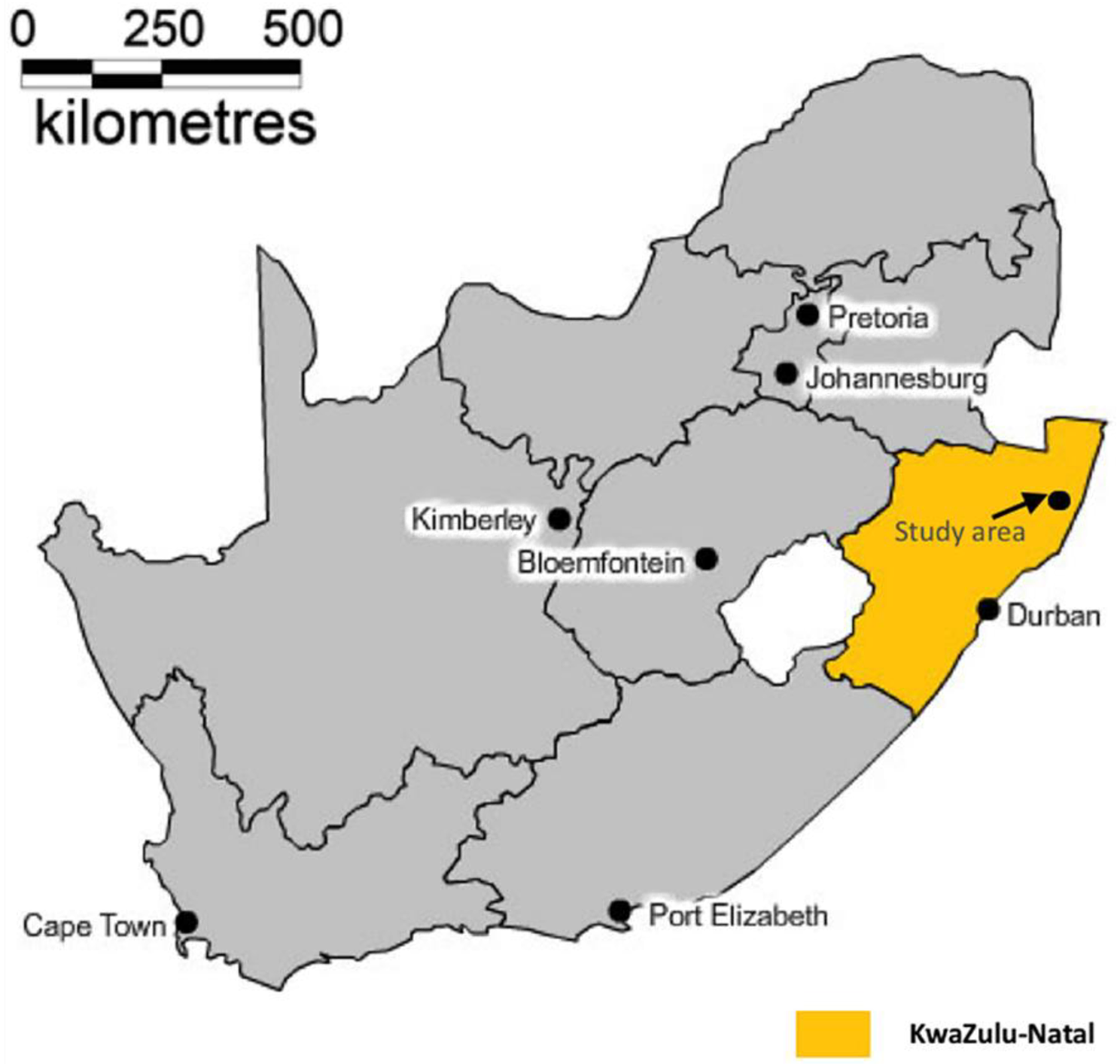
An observational cohort study examined residents of rural uMkhanyakude district, northern KwaZulu-Natal, South Africa. Researchers compared deaths from all causes from 5 March 2020 to 31 December 2021 with those from 1 January 2015 to 4 March 2020, adjusting for seasonal patterns. They identified two major periods of excess deaths during the beta and delta waves.
People with HIV had 1.8 times the mortality risk of people without HIV before the pandemic, compared with 1.5 times during it. People with diabetes showed a similar narrowing of relative risk. By contrast, people with high blood pressure had a 15% relative increase in death rates during the pandemic compared with before it. Women retained higher life expectancy at age 15 than men, but experienced greater pandemic-related declines.
Why it matters
The life expectancy analysis addressed the pandemic’s toll on population longevity. The authors called for public health strategies that prioritise vulnerable rural populations and address health inequalities.
Caveats
This observational study identified associations, not proof that the pandemic caused the differences between health groups. Its findings concern one rural South African population.
From the paper
- Participants
The study population consisted of 130,710 individuals aged 15 years or older, who contributed a total of 652,091 person-years at risk from 1 January 2015 to 31 December 2021.
- Result
During the pre-pandemic period, people with HIV (PWH) had slightly higher mortality rates (RR = 1.8; 95%CI 1.3 - 2.4) than their HIV-negative counterparts.
- Limitation
First, although excess mortality provides a robust measure of the overall mortality impact of a public health emergency, it relies on estimating the number of deaths expected in the absence of the pandemic rather than directly measuring COVID-19-attributable mortality.
Quoted word for word from the full text on link.springer.com.
The paper
Africa Health Research Institute
Population Health Metrics, 16 Oct 2026