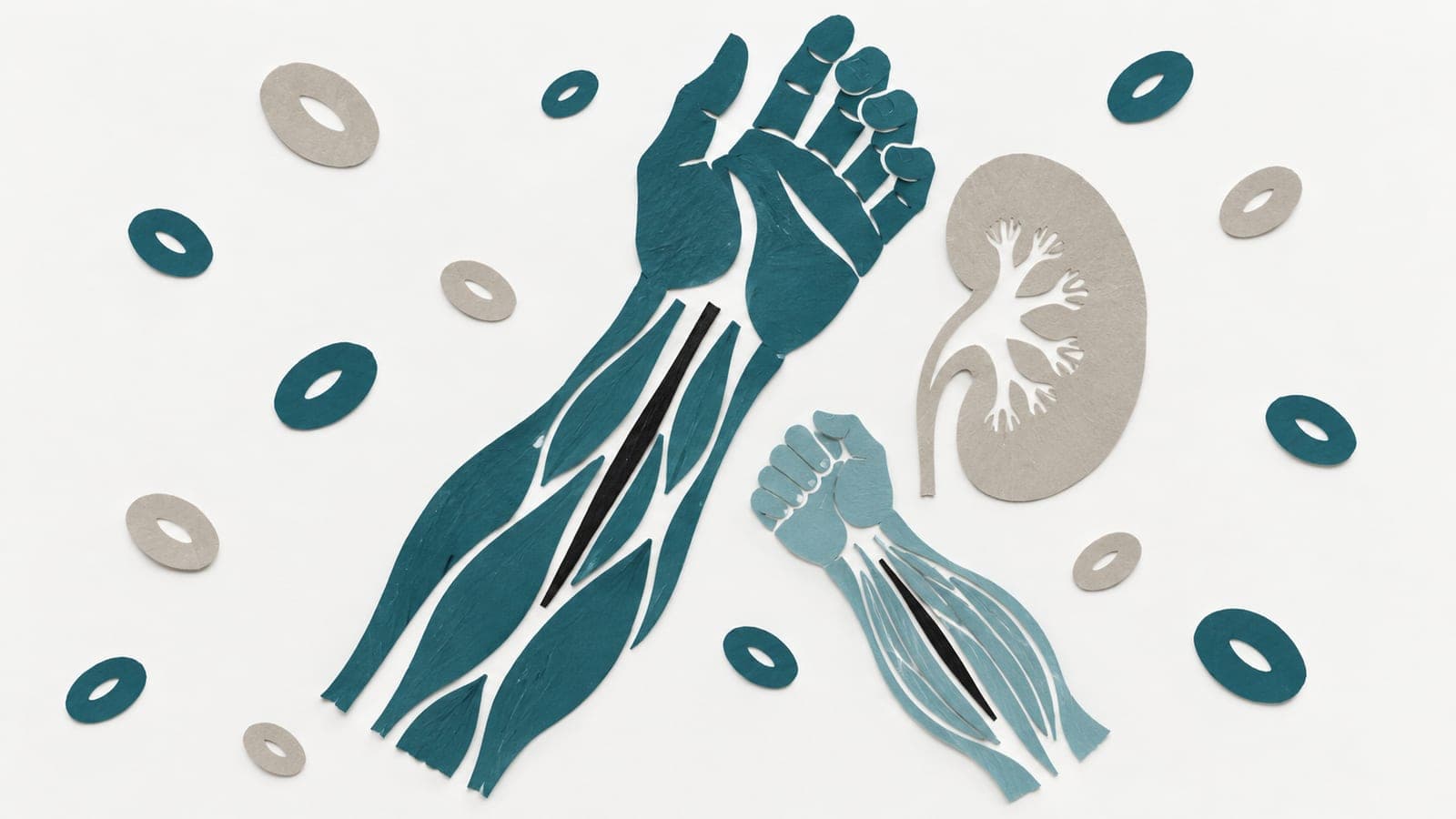
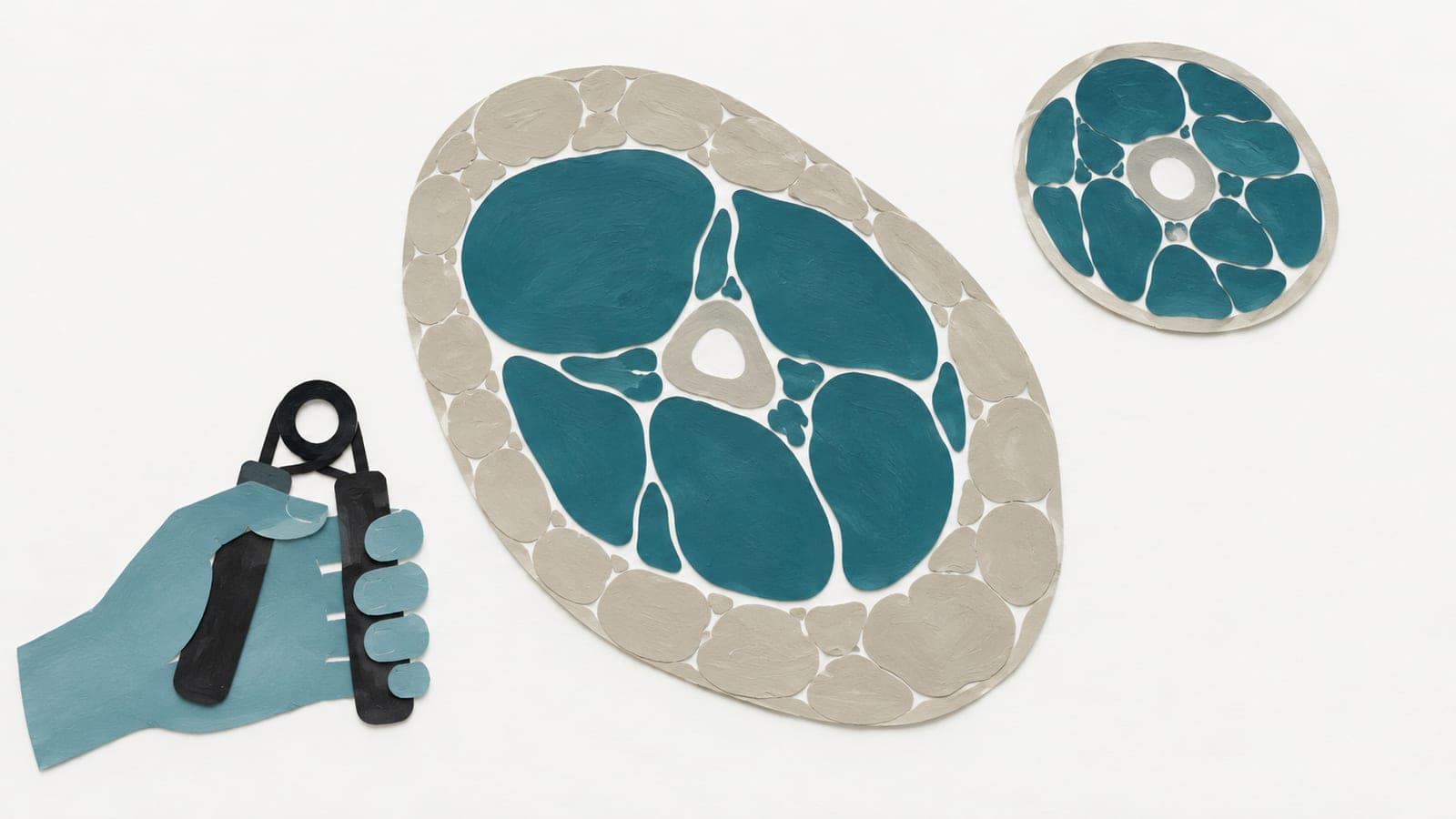
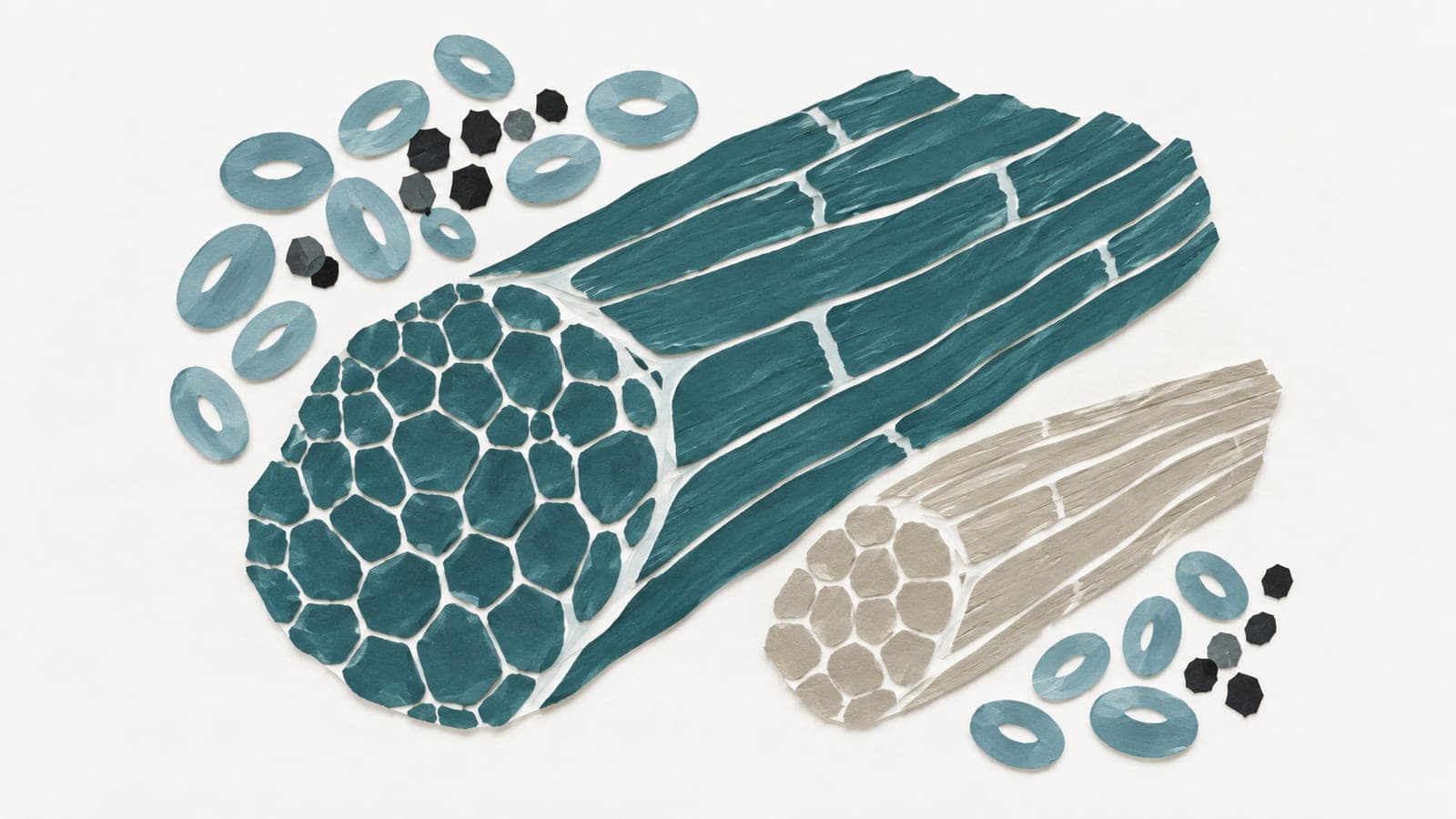
The role of low muscle strength in predicting mortality in patients with liver cirrhosis and hepatocellular carcinoma
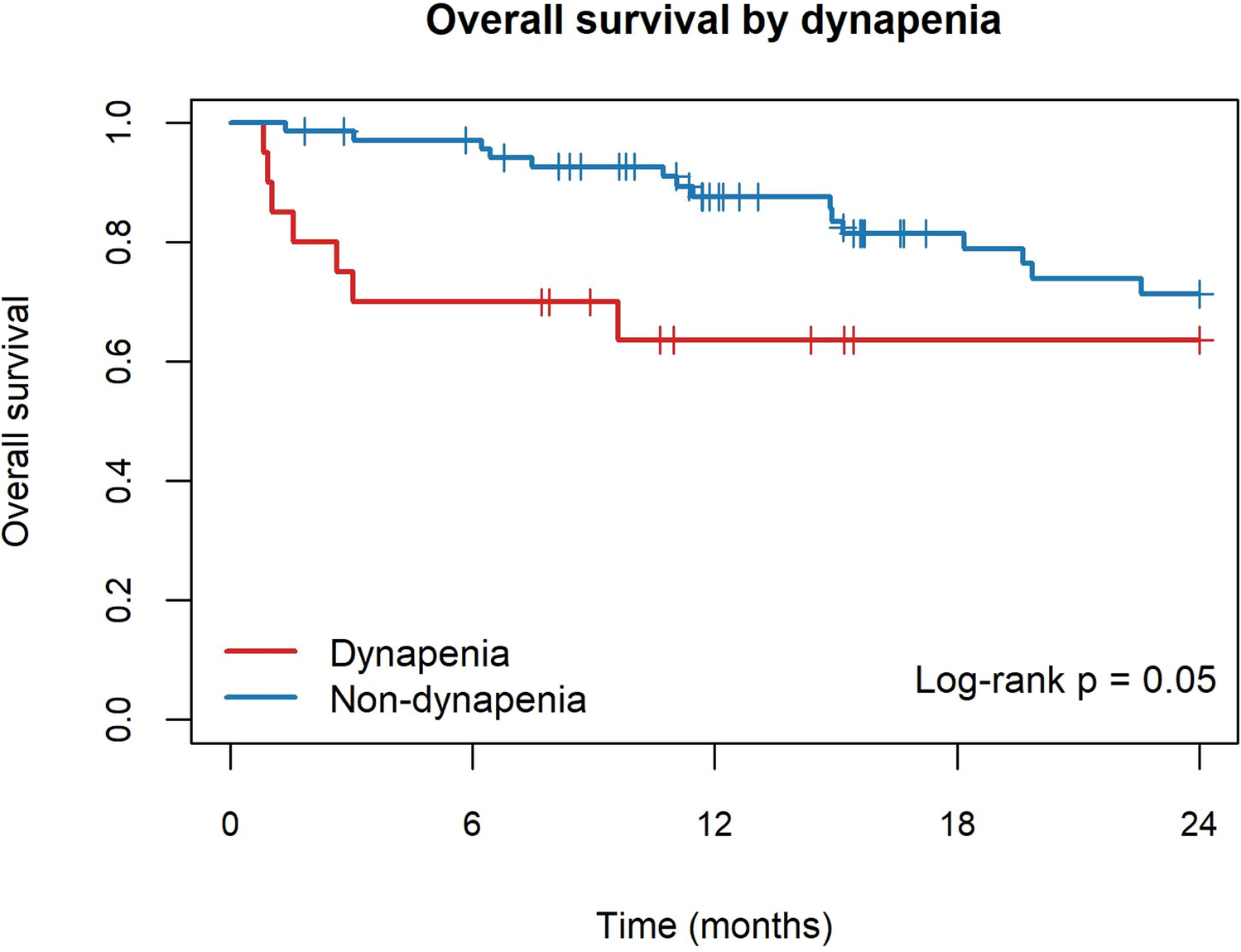
24 months
Abstract
Sarcopenia is a prevalent complication in chronic liver disease (CLD), traditionally assessed by muscle mass. Recent paradigm shifts focus to dynapenia as the primary determinant of adverse outcomes. This study aims to evaluate the role of dynapenia, as measured by handgrip strength (HGS) and ultrasound-derived diaphragmatic excursion, in predicting mortality in this population. This prospective study included consecutive outpatients with cirrhosis and hepatocellular carcinoma history attending a tertiary hepatology unit. Muscle mass was assessed in subgroups using bioimpedance analysis (BIA) and computed tomography (CT). Associations between sarcopenia proxies and 24-month all-cause mortality were analyzed with adjusted Cox regression models, and survival was estimated using Kaplan-Meier curves. Ninety-one patients were included (age 73.4 ± 8.1 years; 71 [78%] male); 20 (22%) had dynapenia. Twenty-two deaths occurred at two years (24.2%). Over 24 months, dynapenia (by HGS) and diaphragmatic excursion were associated with mortality in adjusted models (aHR 1.68, 95% CI 1.12-2.53, p = 0.012; aHR 0.58, 95% CI 0.34-0.97, p = 0.042). In subgroups, they remained the only muscle parameters associated with mortality, while muscle mass indices were not significant. Finally, Kaplan-Meier estimates showed lower 24-month survival in dynapenic patients across groups (in overall population 65% vs. 79%, p = 0.05). Low muscle strength is a key prognostic parameter in patients with cirrhosis and HCC. In our small cohort, it was the only muscle-related measure significantly associated with mortality. These findings support further evaluation of muscle strength assessment as a potential tool for risk stratification in this population.
From the paper
- Participants
A total of 91 patients (mean age 73.4 ± 8.1 years; male 71 (78%); mean Body Mass index (BMI) 27.8 ± 5.3 kg/m; diabetes mellitus 48 (53%)) were included in the study.
- Result
Dynapenia (defined by HGS) and diaphragmatic excursion were associated with 24-month all-cause mortality [aHR 1.68 (95% CI 1.12–2.53), p = 0.012, and aHR 0.58 (95% CI 0.34–0.97), p = 0.042, respectively], after adjustment for age, gender, and MELD (Table 2).
- Limitation
In addition, our cohort consists of patients with advanced chronic liver disease, mainly in a compensated stage, with an oncological background due to a history of HCC.
Quoted word for word from the full text on link.springer.com.
The paper
Internal and Emergency Medicine, Oct 16, 2026, Open access