Characteristics of Older Adults with Favorable Locomotive Syndrome and Frailty Outcomes Following Locomotion Training: A Preliminary Pre-Post Study
126 days
Abstract
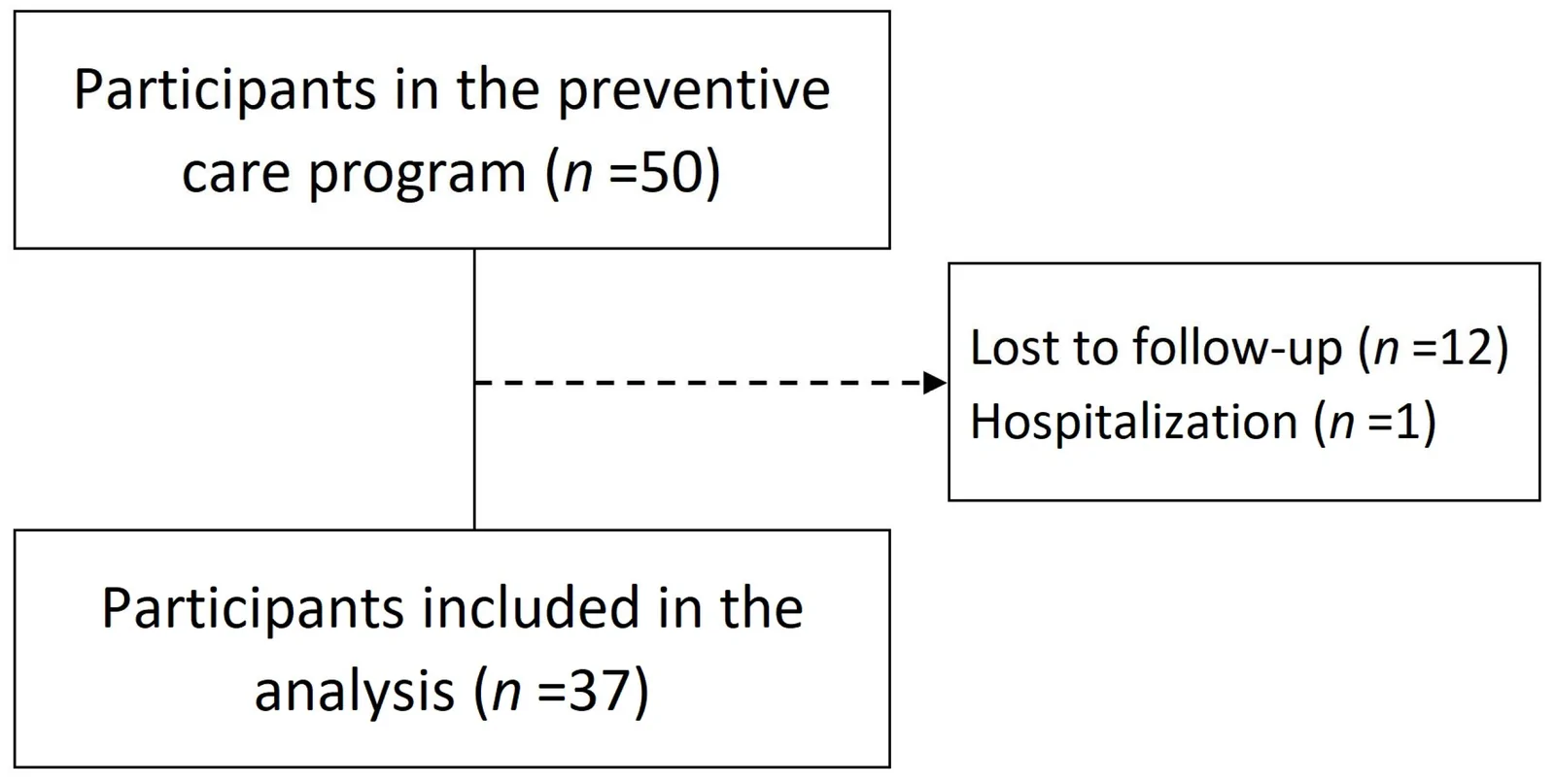
Background/Objectives: We evaluated changes in locomotive syndrome (LS) and frailty following locomotion training (LT) in community-dwelling older adults and explored their characteristics with favorable outcomes for each condition. Methods: In this pre-post intervention study, 37 community-dwelling older adults (mean age, 77.6 ± 6.0 years) who participated in a community-based preventive care program completed a 126-day home-based LT program of single-leg standing, squats, and heel raises. Before and after the intervention, LS was assessed using the LS risk test and frailty with the Japanese version of the Cardiovascular Health Study (J-CHS) criteria and Questionnaire for Medical Checkup of Old-Old (QMCOO); changes in LS and frailty were analyzed, and the baseline characteristics of participants with favorable outcomes were explored. Results: The LT was performed as prescribed or partially on 84.8% of days. Following the intervention, the LS stage (p = 0.016), J-CHS score (p = 0.014), and usual walking speed (p < 0.001) significantly improved. The QMCOO total score did not change significantly. Individual-level LS stage improved by at least one stage in 20.6% of participants with baseline LS. In participants with baseline pre-frailty/frailty, 43.5% (J-CHS) and 31.3% (QMCOO) improved by at least one category. LS favorable status was not associated with baseline frailty measures. In both J-CHS and QMCOO assessments, the robust maintenance/improvement groups were younger and had better baseline two-step test values and GLFS-25 scores. The QMCOO robust maintenance/improvement group had a better LS stage. Conclusions: Following LT, LS stage and J-CHS total score improved significantly, with favorable individual-level outcomes in LS and frailty. Participants with favorable frailty outcomes had better baseline LS measures, whereas participants with favorable LS outcomes did not differ in baseline frailty measures. Large controlled studies are warranted.
The paper
International University of Health and Welfare
Journal of Clinical Medicine, 8 Oct 2026, Open access


