Needle-free checks poorly predict blood profile in Mexican adults
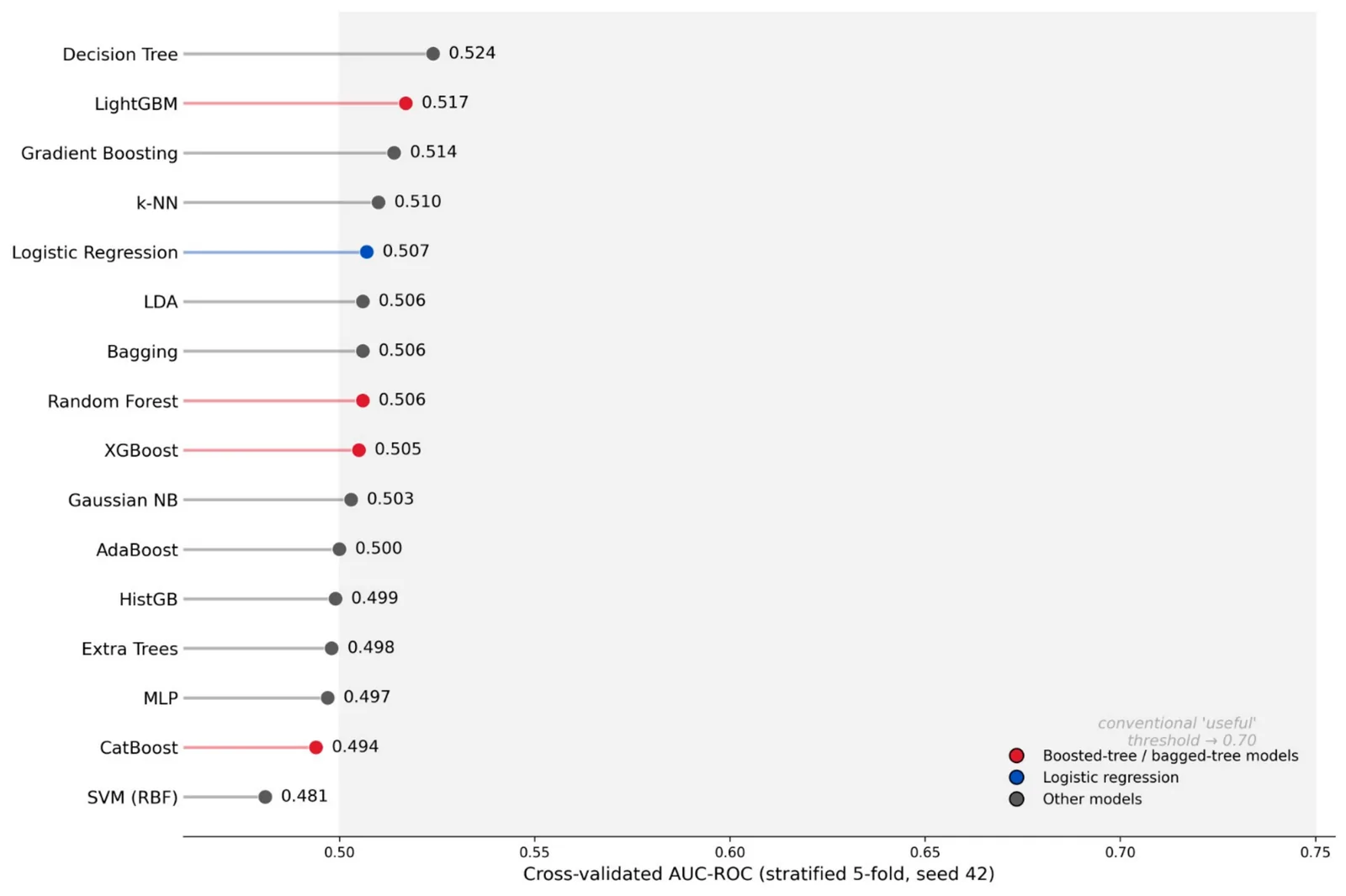
Across 16 algorithms, scores for distinguishing adverse blood profiles ranged from 0.481 to 0.524, and tests found no separation from chance.
An observational analysis examined 2,000 Mexican adults from the Mexican Health and Aging Study’s 2012 blood-marker sample. Their mean age was 62.4 years, and 59.8% were women. Researchers defined an adverse profile as at least two of four abnormal blood results related to inflammation, cholesterol and vitamin D.
The team tested 16 prediction algorithms using measures including grip strength, walking speed, blood pressure and body measurements, alongside age and sex. They repeatedly trained and tested the algorithms on different portions of the sample. The resulting scores measured how well models distinguished people with the adverse profile from those without it. Performance was weak, and tests of the full prediction process did not distinguish it from chance. The authors concluded that these measures should not replace laboratory measurements when those blood tests are clinically needed.
Why it matters
Health assessment in middle-aged and older adults raises a practical question for low-resource settings: whether simple checks can provide the information normally obtained from blood tests.
Caveats
Validation was internal to one study sample, rather than an independent population. The findings concern the selected measures and predefined blood profile in middle-aged and older Mexican adults.
The paper
Catholic University of the Maule; Universidad Andrés Bello
Journal of Clinical Medicine, 25 Sep 2026, Open access