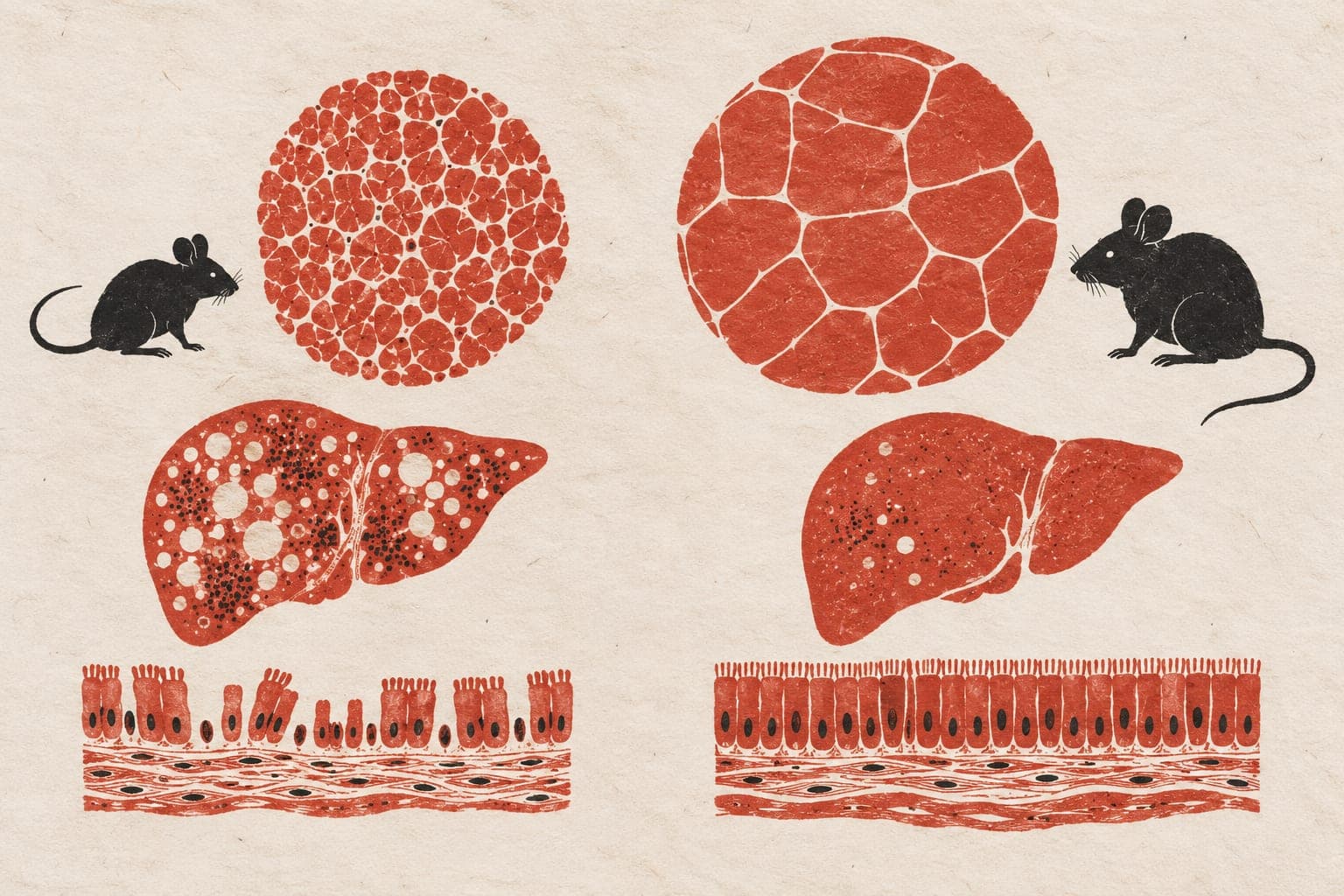
SLC25A4high Hepatocytes Enhance Lifestyle Intervention Response in MASLD by Recruiting Eating Macrophages
Abstract
While lifestyle interventions (LSI) are the cornerstone of metabolic dysfunction-associated steatotic liver disease (MASLD) management, the molecular mechanisms driving the histological and metabolic regression in LSI-responsive patients remain unclear. C57BL/6N mice were hydrodynamically injected with Slc25a4 and Sleeping Beauty transposon. Single-cell RNA sequencing (scRNA-seq) profiled the hepatic immune landscape. Metabolomics and co-culture assays analyzed intercellular crosstalk. Responsive MASLD patients had high SLC25A4 expression, correlating with exercise-induced hepatic steatosis improvement. Slc25a4 overexpression augmented exercise effects. scRNA-seq identified a distinct population of Clec4f⁺Timd4⁺P2ry12⁺ macrophages, defined as lipid-eating macrophages, in livers of Slc25a4-overexpressing mice. Macrophage depletion reinstated hepatosteatosis in high-fat, high-fructose, and high-cholesterol diet-fed exercised mice with Slc25a4 overexpression. Mechanistically, SLC25A4 mediates mitochondrial ATP exchange and selective ATP efflux. Ectopically overexpressed Slc25a4 activates Pannexin 1 to release ATP, which recruits eating macrophages via P2ry12, clearing lipid-laden hepatocytes. The GDF15-PPARα axis between macrophages and hepatocytes was activated. Macrophage Gdf15 knockdown abrogated Slc25a4-mediated enhanced hepatic fatty acid oxidation (FAO), and hepatic PPARα knockdown abolished this effect as well. Slc25a4 orchestrates an LSI-responsive hepatocyte-macrophage axis: Pannexin 1-mediated ATP release recruits lipid-eating macrophages, whose GDF15 activates PPARα-driven FAO, establishing Slc25a4 as a therapeutic target to restore exercise response in MASLD.