Sarcopenia, obesity, and limitations in daily activities in older adults from Elsi-Brazil: recommendations from the Sarcopenia Definition and Outcomes Consortium
Abstract
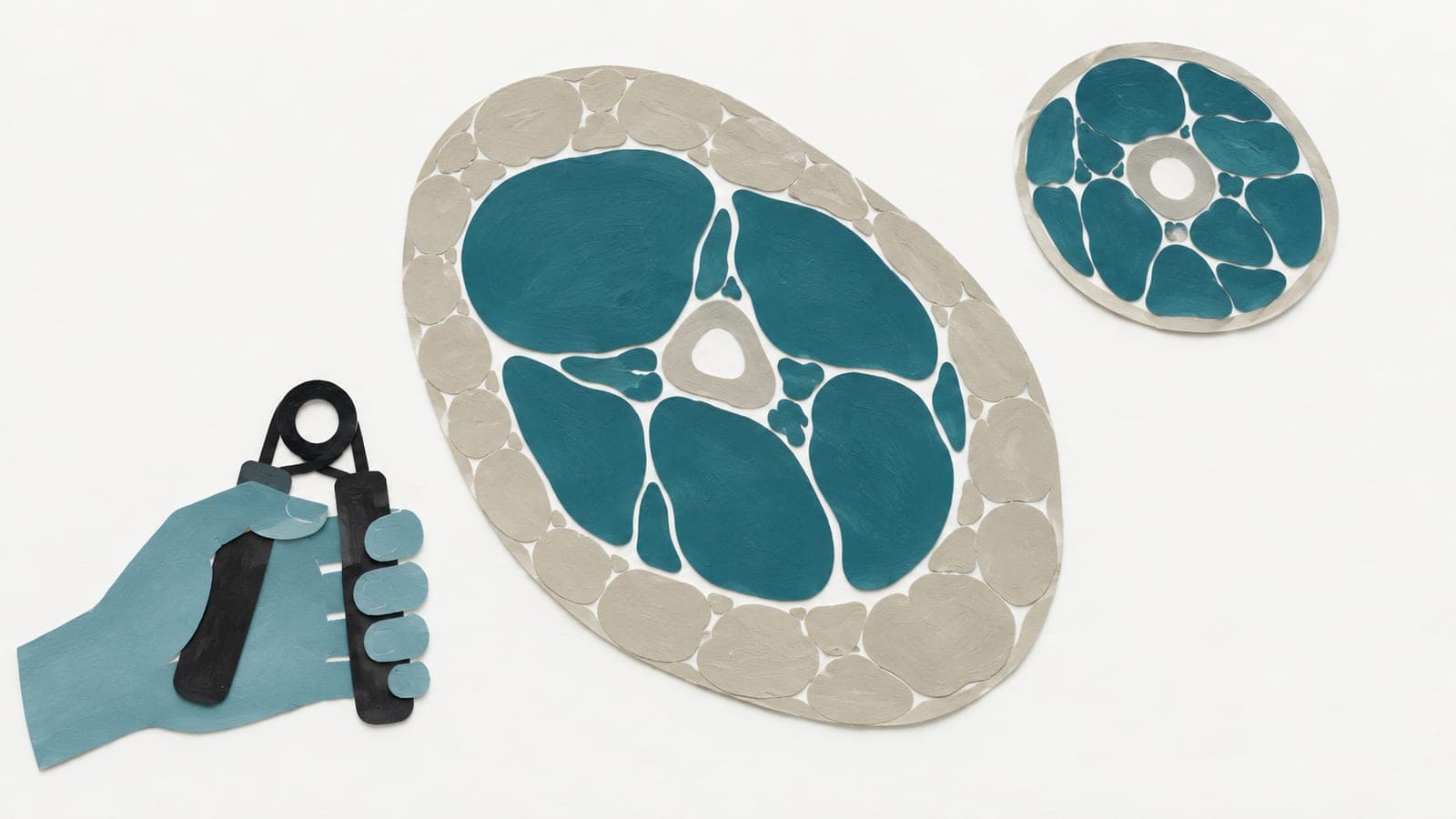
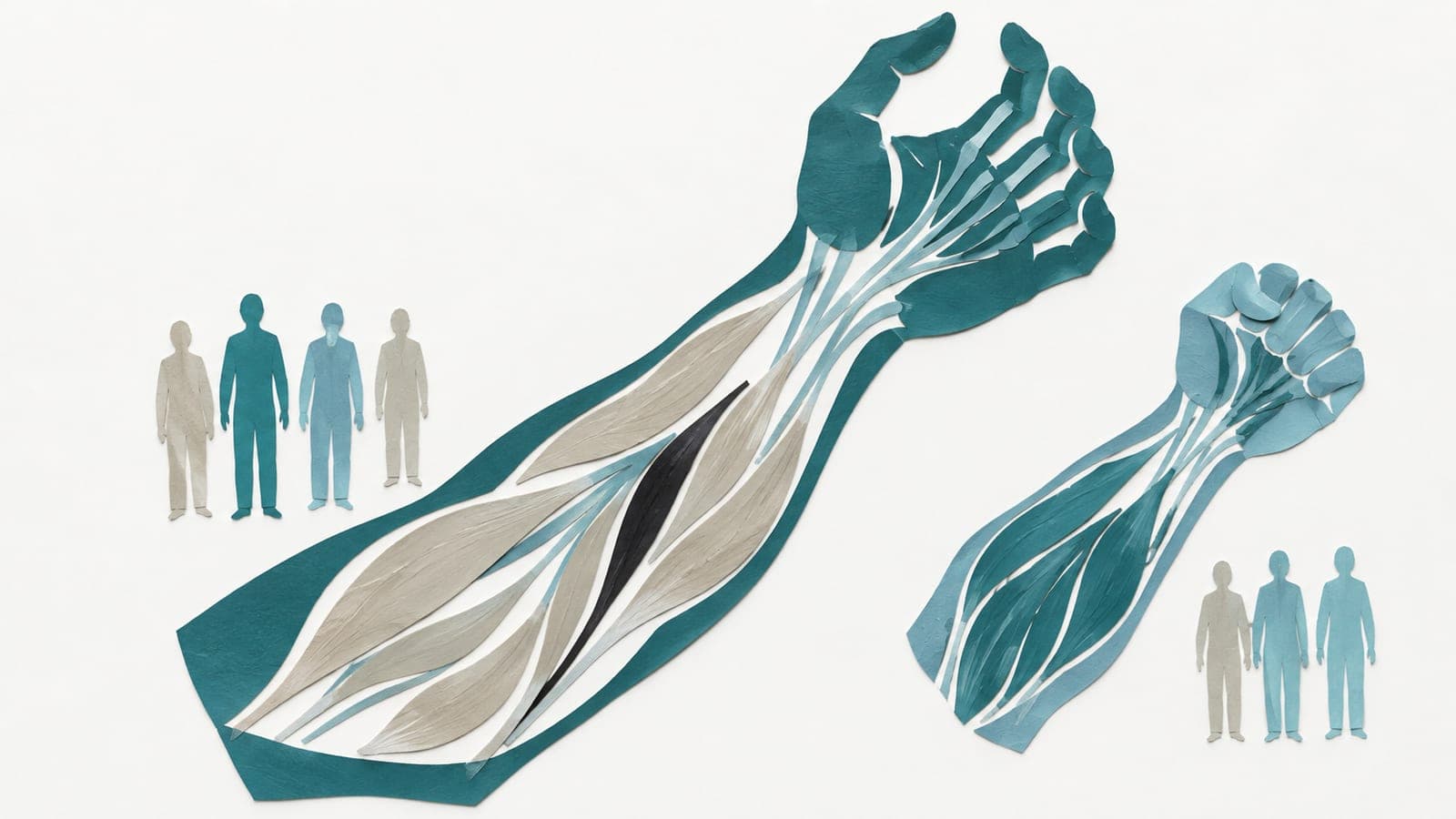
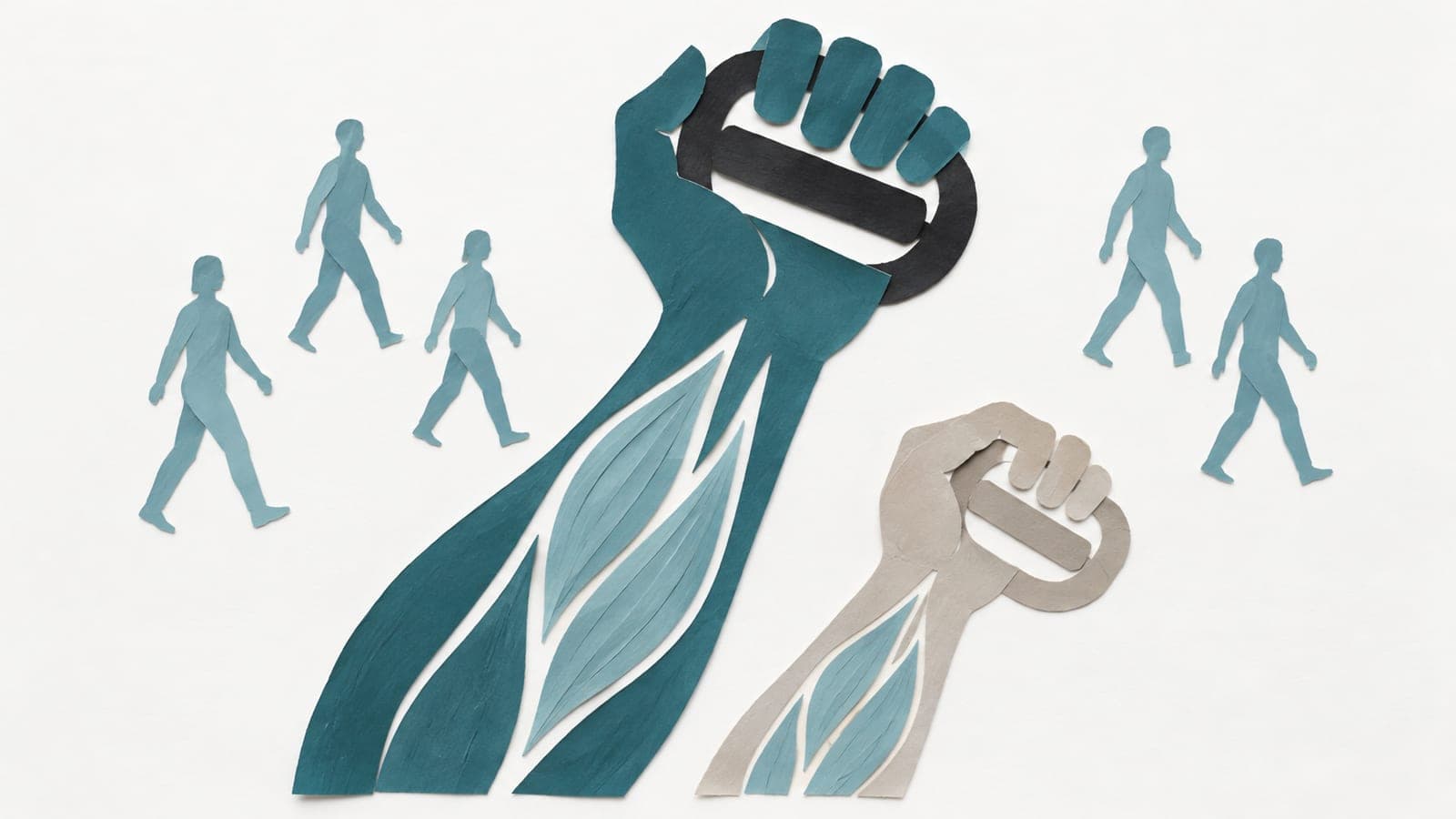
This study aimed to investigate the associations between isolated sarcopenia and its combination with general and abdominal obesity, stratified by sex, with limitations in basic (BADL) and instrumental (IADL) activities of daily living among Brazilian older adults. A cross-sectional study was conducted with 6,874 older adults (≥ 60 years) from the second wave of the Brazilian Longitudinal Study of Aging (2019-2021). Sarcopenia was defined according to the criteria of the Sarcopenia Definition and Outcomes Consortium, which involves the concomitant presence of low gait speed and low handgrip strength, analyzed both in isolation and combined with general and abdominal obesity. The outcomes were self-reported difficulties in performing at least one BADL and one IADL. There were higher odds of BADL limitations only among women with sarcopenia and general obesity (OR: 3.37; 95%CI: 1.47-7.71) and sarcopenia and abdominal obesity (OR: 2.59; 95%CI: 1.16-5.76). For IADL, higher odds were observed in women with sarcopenia without general obesity (OR: 2.08; 95%CI: 1.59-2.71) and without abdominal obesity (OR: 2.14; 95%CI: 1.56-2.94) and with sarcopenia and general obesity (OR: 2.52; 95%CI: 1.64-3.87) and sarcopenia and abdominal obesity (OR: 2.46; 95%CI: 1.59-3.79); in men with sarcopenia without general obesity (OR: 2.49; 95%CI: 1.67-3.73) and without abdominal obesity (OR: 2.50; 95%CI: 1.48-4.22), and in those with sarcopenia and general obesity (OR: 2.23; 95%CI: 1.01-4.91) and sarcopenia and abdominal obesity (OR: 2.52; 95%CI: 1.30-4.90).
The paper
Universidade Federal de Minas Gerais
Ciencia & Saude Coletiva, 9 Oct 2026, Open access