Dead-cell clearance linked to tissue repair in mice
A commentary discussed evidence that an enzyme activated during dead-cell clearance helped tissue repair as artery plaques regressed in a mouse model.
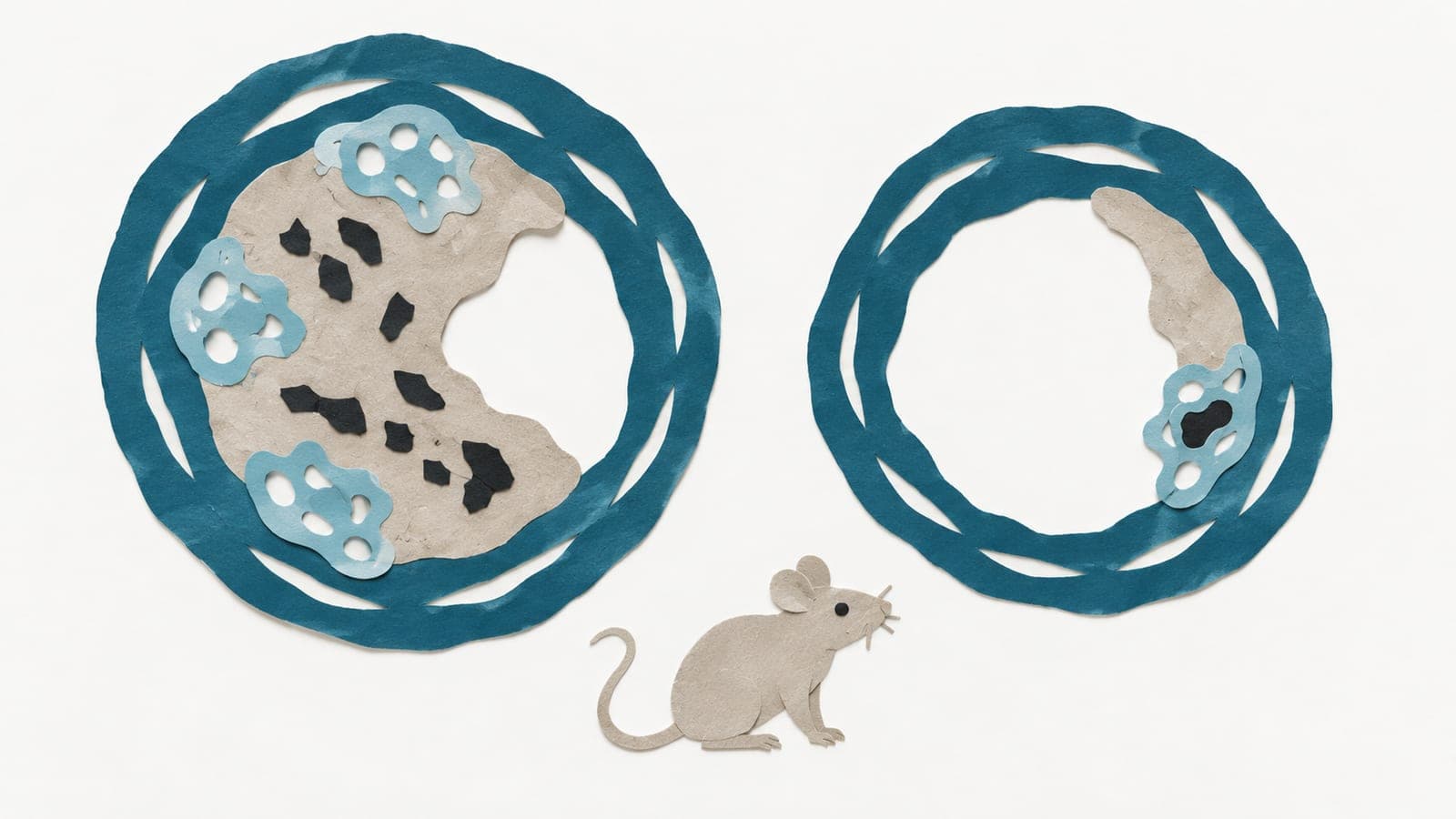
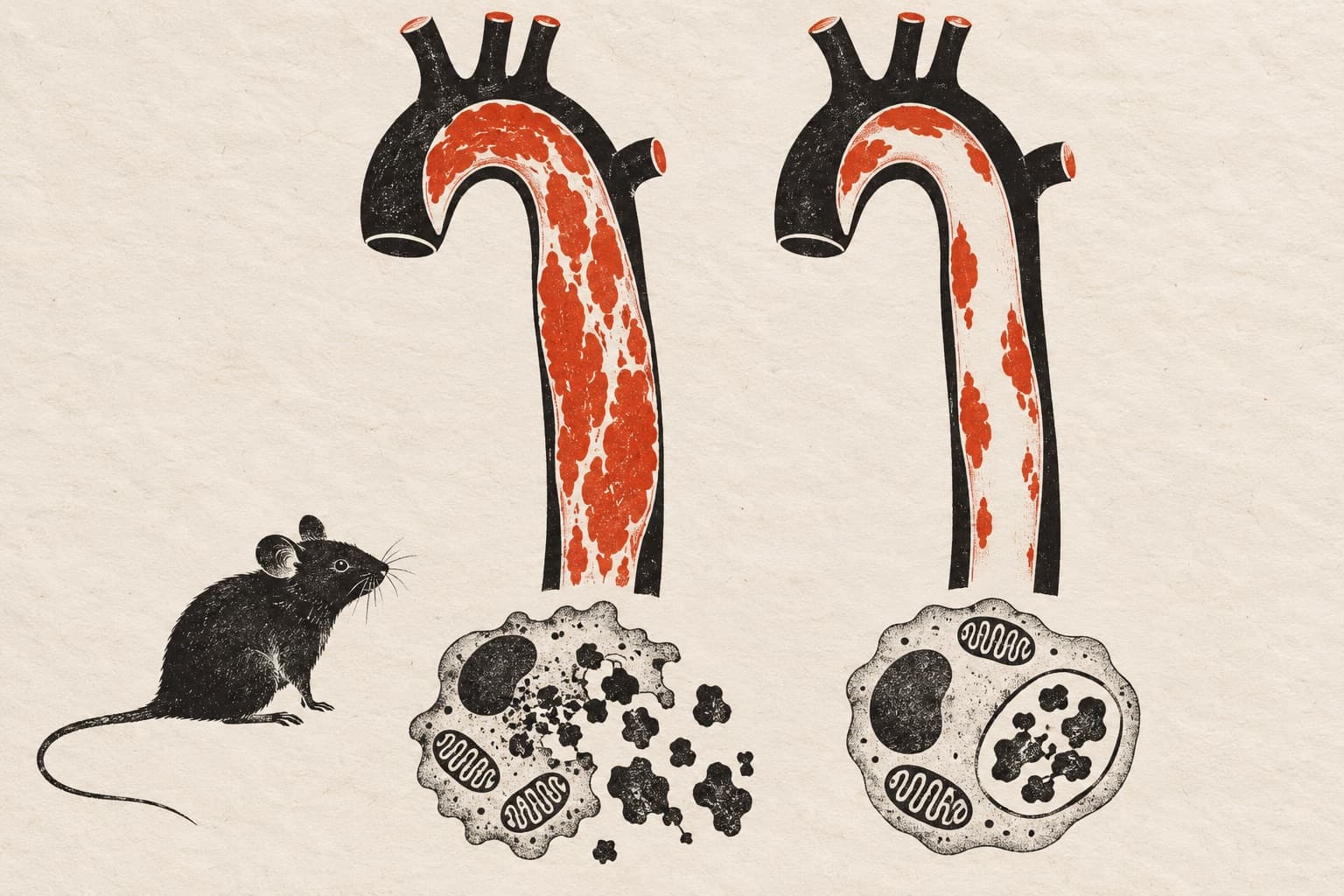
In a mouse model of atherosclerosis, the build-up of fatty plaques in arteries, researchers found evidence that a DNA-modifying enzyme enabled tissue repair as plaques regressed. A commentary discussed this work, rather than reporting a new experiment.
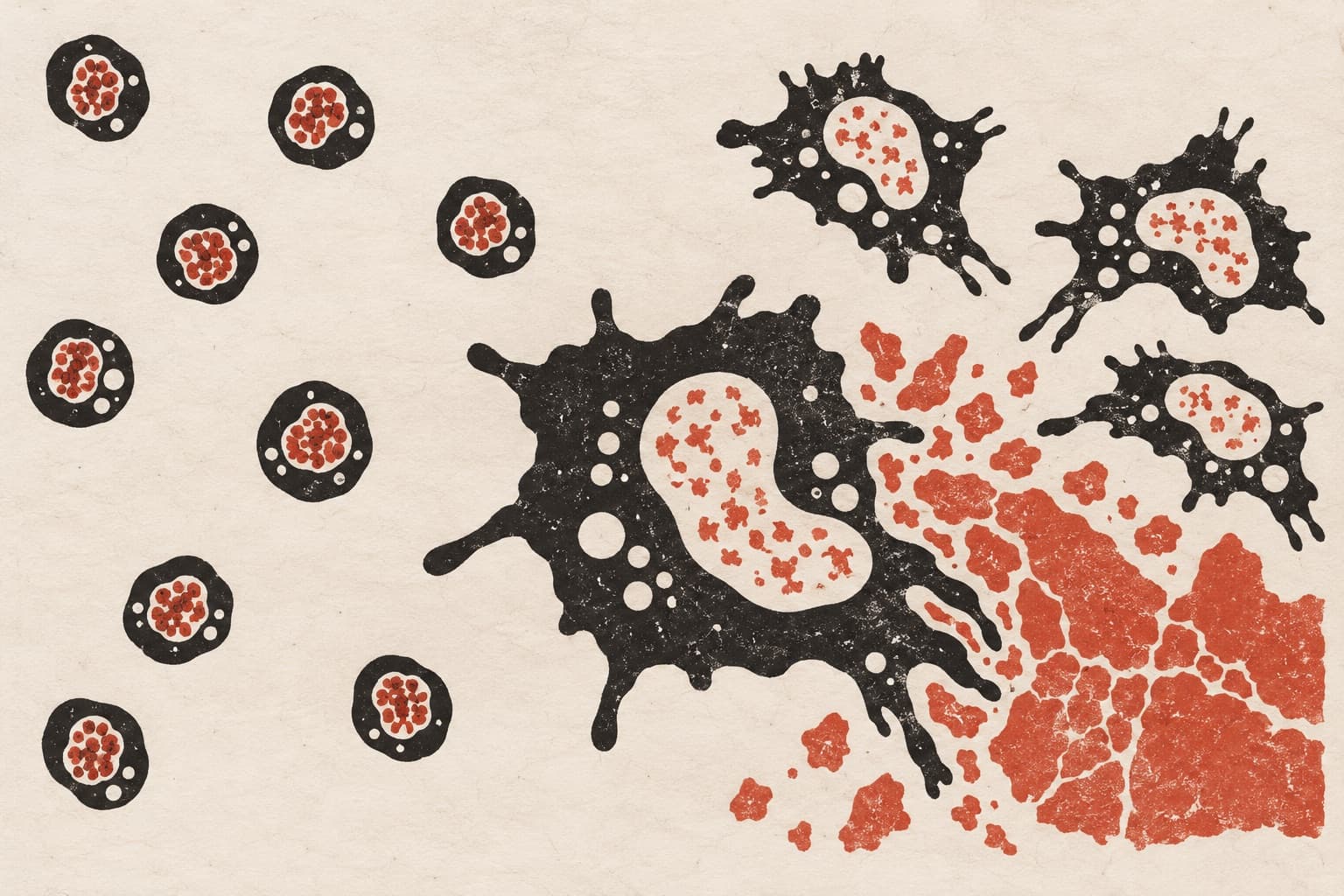
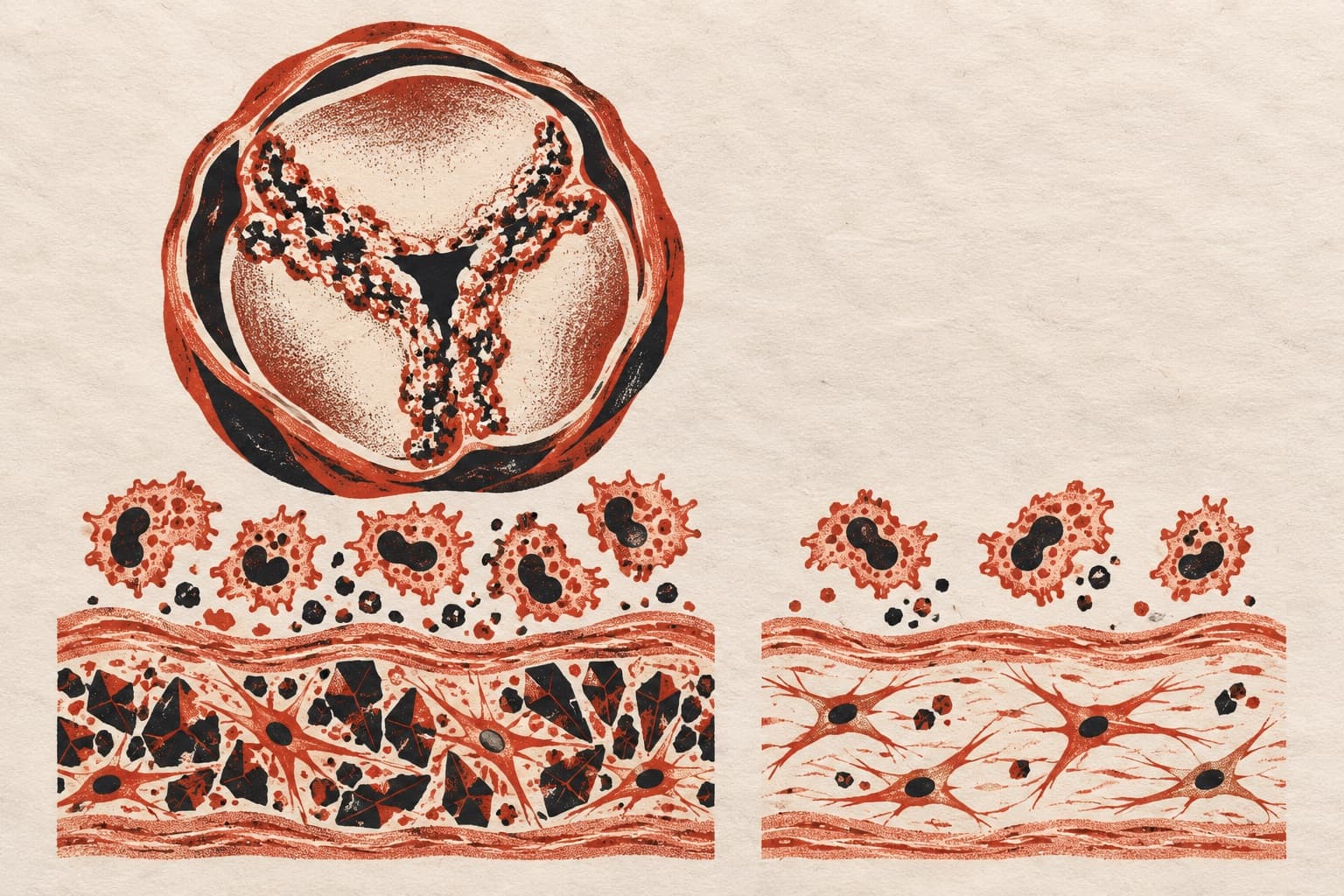
The commentary described how macrophages, immune cells that remove dead cells, activated the enzyme DNA methyltransferase 3A during this clearance. The enzyme promoted base excision repair, a process that fixes damaged DNA, and suppressed oxidised DNA, a chemically damaged form of DNA. The authors also noted human studies linking atherosclerosis to expanding groups of blood cells carrying mutations in the enzyme’s gene. They suggested that targeting this dead-cell clearance pathway could help minimise cardiovascular events in patients.
Why it matters
For atherosclerosis, the work raises the question of whether harnessing the response to dead cells could help reduce cardiovascular events.
Caveats
This was a commentary on other researchers’ work, not a test of treatment in patients. The tissue-repair evidence described in the abstract came from a mouse model.
The paper
The Journal of Clinical Investigation, 15 Oct 2026, Open access