Diet composition linked to cognitive health in older adults
Protein at approximately 15% of dietary energy was associated with the lowest risk of cognitive impairment in US and Chinese study groups.
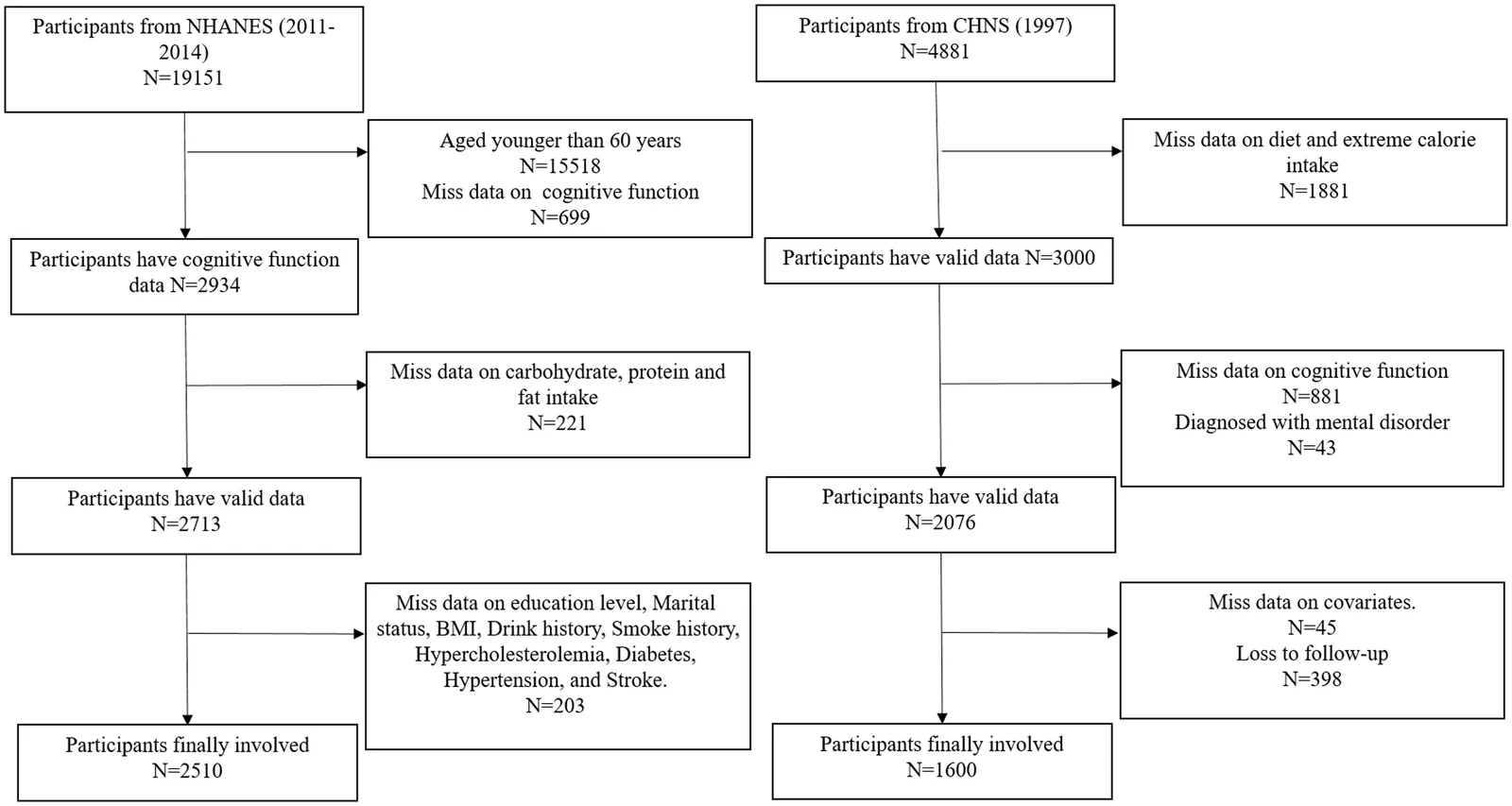
An observational study analysed data from 2,510 older adults in the US and 1,600 in China. Researchers examined carbohydrate, protein and fat as shares of dietary energy and assessed cognitive function using combined standardised scores.
The association between carbohydrate share and cognitive impairment risk followed an upside-down U-shaped pattern, with a threshold at approximately 48.5% of total energy. Protein supplying approximately 15% of energy was associated with the lowest impairment risk in both groups. Fat shares below 33.2% of energy were associated with higher cognitive risk. In the US group, lower carbohydrate shares were also associated with a lower relative risk of death from any cause.
Why it matters
The results bear on whether dietary strategies focused on nutrient balance may help support cognitive health as people age.
Caveats
This observational study cannot show that changing nutrient ratios would improve cognition or extend life. The findings concern older adults in the US and China, not younger people.
- Carbohydrate energy ratio
- Fat energy ratio
- Protein energy ratio
- Cognitive impairment
- Composite cognitive z-score
- Humans
The paper
Sun Yat-sen University
Journal of Alzheimer's Disease Reports, 22 Apr 2026, Open access