The Mediating Role of Hypoalbuminemia in the Association Between Frailty and Poor Outcomes in Stroke Patients
Abstract
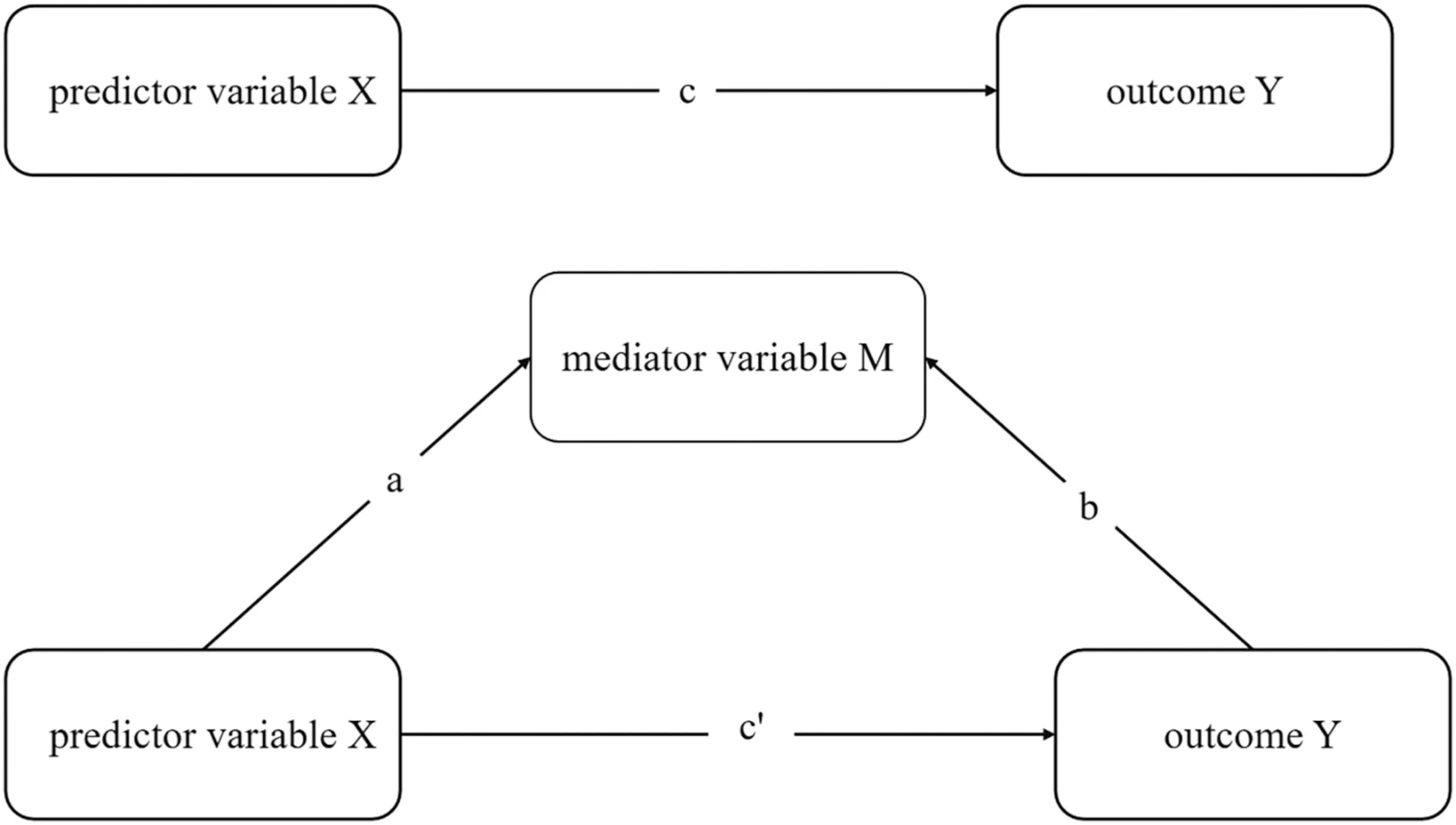
AIM: Frailty is associated with adverse stroke outcomes. This study aimed to examine whether hypoalbuminemia mediates this association. DESIGN: A prospective cohort study. METHODS: A total of 175 patients with stroke admitted to a tertiary hospital between March and November 2023 were included. Frailty was assessed within 24 h of admission using the Clinical Frailty Scale (CFS) and categorised as frail (CFS ≥ 5) or non-frail (CFS ≤ 4). Demographic, clinical and biochemical data were collected. Hypoalbuminemia (serum albumin < 35 g/L) was determined based on the lowest serum albumin level during hospitalisation. Functional outcomes were evaluated using the modified Rankin Scale (mRS) at discharge, 30 days and 90 days after discharge, with scores ≤ 3 defined as good outcome and > 3 as poor outcome. RESULTS: Among the 175 stroke patients included in the study, 52 (29.71%) were frail and 64 (36.57%) developed hypoalbuminemia during hospitalisation. The proportions of poor outcomes were 47.43% at discharge, 42.86% at 30 days and 37.14% at 90 days after discharge. After adjusting for confounding factors, frailty was significantly associated with the occurrence of hypoalbuminemia [relative risk (RR) = 1.61, 95% confidence interval (CI): 1.08-2.40, p = 0.019]. Frailty was also significantly associated with poor outcomes at discharge (RR = 1.56, 95% CI: 1.12-2.16, p = 0.008), at 30 days (RR = 2.02, 95% CI: 1.41-2.89, p < 0.001) and at 90 days (RR = 2.79, 95% CI: 1.81-4.30, p < 0.001). Hypoalbuminemia was also independently associated with poor outcomes at all time points (all p < 0.05). Mediation analysis showed that hypoalbuminemia partially mediated the association between frailty and poor outcomes, with mediation proportions of 22.21%, 16.85% and 14.03% at discharge, 30 days and 90 days, respectively (all p < 0.05). CONCLUSION: Hypoalbuminemia partly mediates the impact of frailty on poor outcomes in stroke patients. The findings suggest that nurses should place greater emphasis on frailty assessment and serum albumin monitoring in patients with stroke to facilitate the early identification of high-risk patients and to inform individualised nursing assessment and management. REPORTING METHOD: The research findings are reported following the Strengthening the Reporting of Observational Studies in Epidemiology (STROBE) guidelines for observational studies. PATIENT OR PUBLIC CONTRIBUTION: No patient or public contribution.
From the paper
- Participants
Consequently, these 36 patients were excluded from the final analysis, which ultimately included 175 stroke patients.
Results, 3.1 The Incidence Rate of Frailty in Stroke Patients
- Result
After adjusting for confounding factors, frailty was significantly associated with the occurrence of hypoalbuminemia [relative risk (RR) = 1.61, 95% confidence interval (CI): 1.08–2.40, p = 0.019].
- Limitation
Regional differences in dietary patterns, nutritional status and healthcare resources may influence the risk of hypoalbuminemia and clinical outcomes.
Quoted word for word from the full text on onlinelibrary.wiley.com.
The paper
The First Affiliated Hospital of Chongqing Medical University
Nursing Open, 1 Oct 2026