Diabetes Mellitus in Patients with Schizophrenia: A Systematic Review and Meta-Analysis of Prevalence of Types and Risk Factors
Abstract
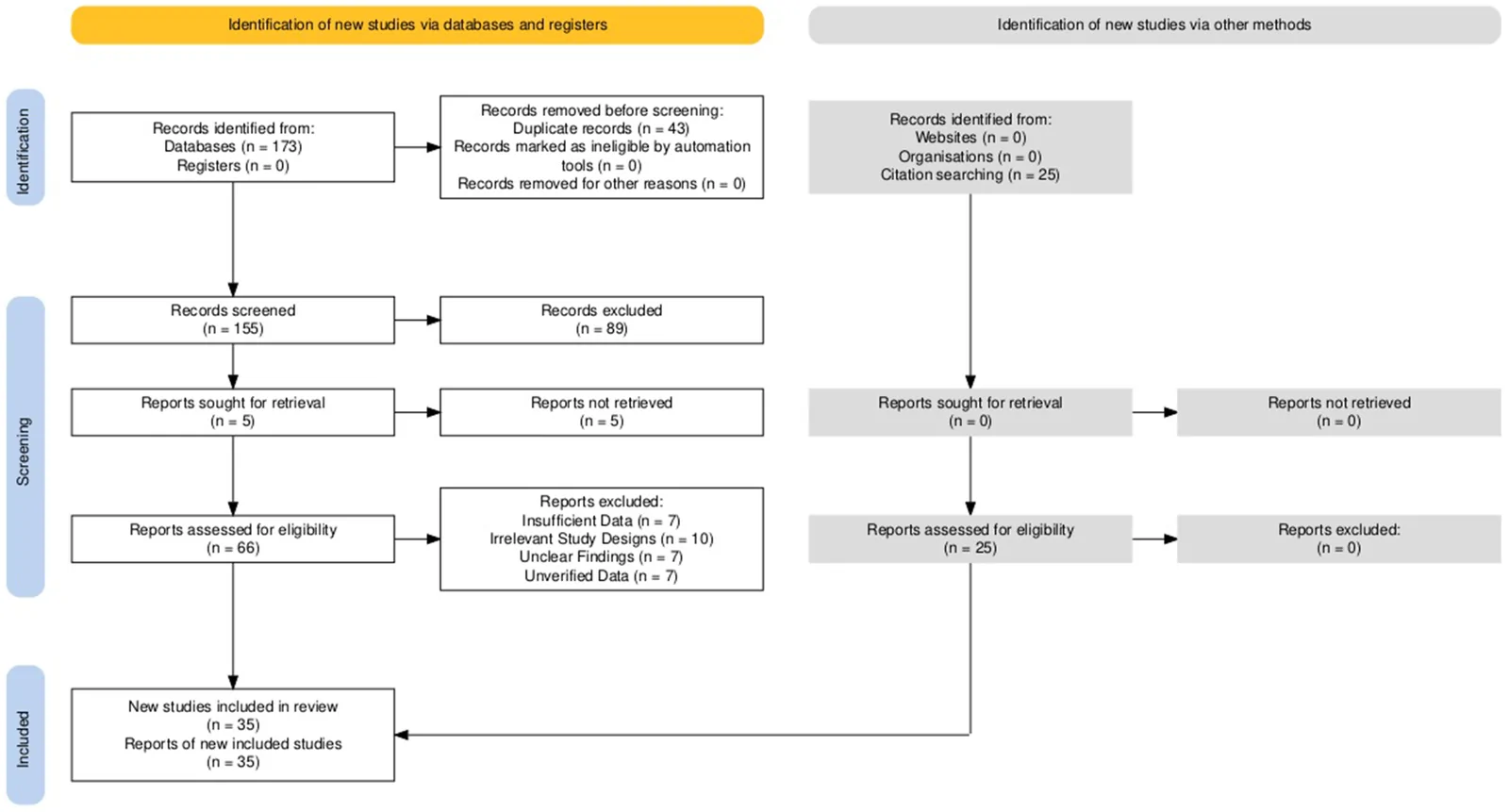
BACKGROUND: Schizophrenia is associated with an increased risk of diabetes mellitus (DM) and type 2 diabetes mellitus (T2DM), yet the overall burden and related risk factors remain incompletely characterized. AIM: This study aimed to estimate the prevalence of DM in overall and T2DM in patients with schizophrenia and to summarize associated risk factors. METHODS: This PRISMA-guided systematic review and meta-analysis included observational studies reporting DM or T2DM in patients with schizophrenia. Databases were systematically searched. Pooled prevalence estimates were calculated using a random-effects model in CMA software. Heterogeneity was assessed using Cochran's Q test and I², while publication bias was evaluated using Egger's regression test and trim-and-fill analysis. RESULTS: Thirty-five studies involving 139,304 individuals were included, and 34 studies contributed to the meta-analysis. The pooled prevalence of DM was 10.4% (95% CI: 8.3-12.9%), and the pooled prevalence of T2DM was 13.2% (95% CI: 9.1-18.9%). Between-study heterogeneity was substantial for both outcomes (I² = 99.49% and 99.38%, respectively). Egger's test suggested possible publication bias; however, trim-and-fill analysis identified no missing studies and did not alter the pooled estimates. Commonly reported risk factors included older age, female sex, obesity or higher body mass index, family history of diabetes, sedentary lifestyle, lower socioeconomic status, longer illness duration, and antipsychotic exposure, particularly clozapine and olanzapine. CONCLUSION: Overall diabetes, particularly type 2 diabetes, is prevalent among patients with schizophrenia and associated with demographic, clinical, treatment-related, and medication-related risk factors. These findings support routine metabolic screening and early preventive interventions to reduce diabetes risk and improve health outcomes in this high-risk population.
From the paper
- Studies
A total of 35 studies were included in the review, comprising data from 139,304 individuals with schizophrenia across more than 52 countries worldwide.
- Limitation
This study should be interpreted considering the variability observed between studies and the potential for publication bias.
Quoted word for word from the full text on PubMed Central.
The paper
Kurdistan University of Medical Sciences
Diabetes, Metabolic Syndrome and Obesity, Oct 9, 2026, Open access


