Mental illness mortality gaps vary by education and care
Among men, estimated excess life-years lost from age 30 ranged from 1.50 to 19.86 compared with the general population.
medRxiv
In an observational cohort study, researchers followed 2,486,836 Norwegian residents aged 30–79 on 1 January 2008 through 31 December 2023. They linked national records on mental illness, education, healthcare use and causes of death. They estimated the mortality gap as additional life-years lost from age 30 compared with the general population.
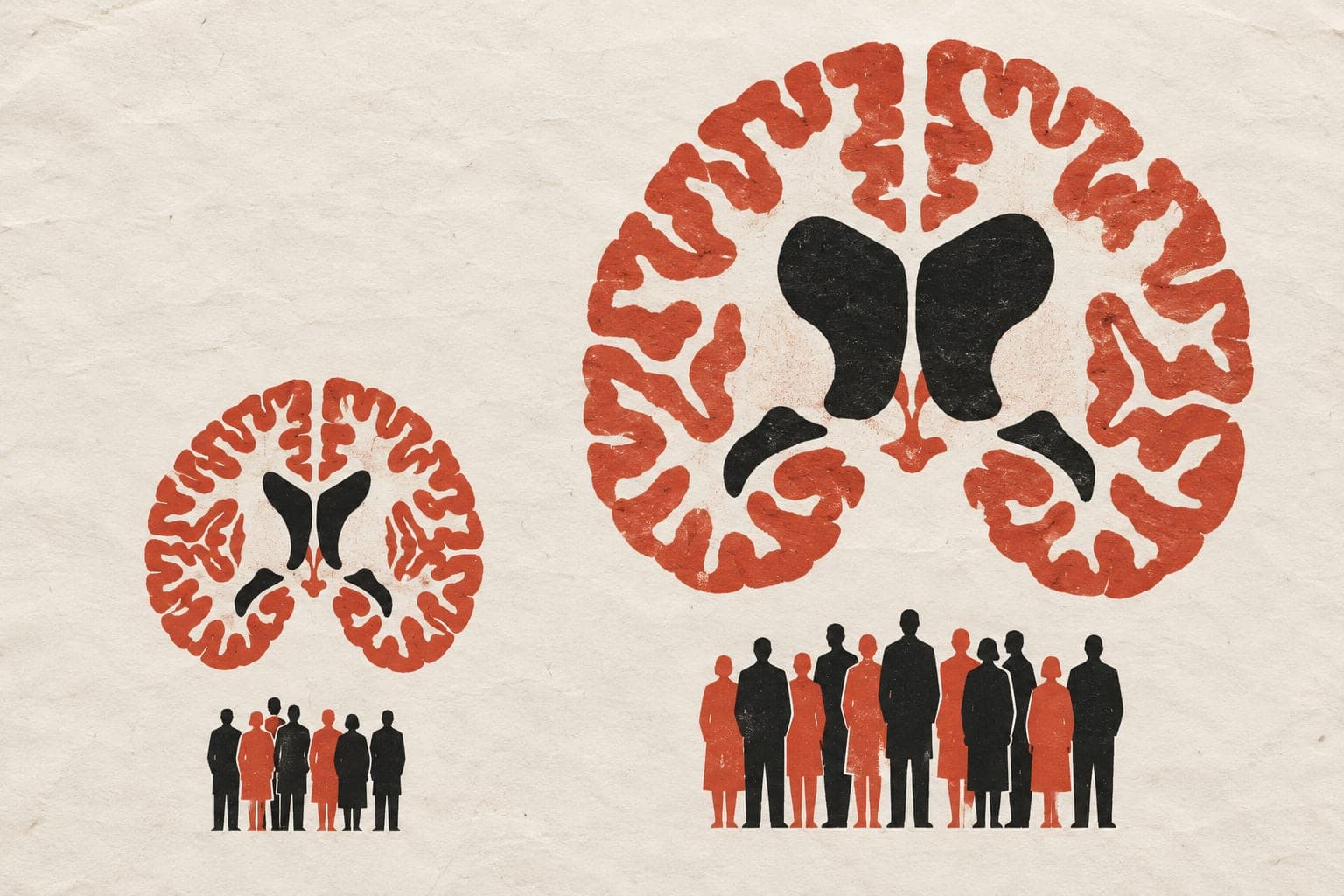
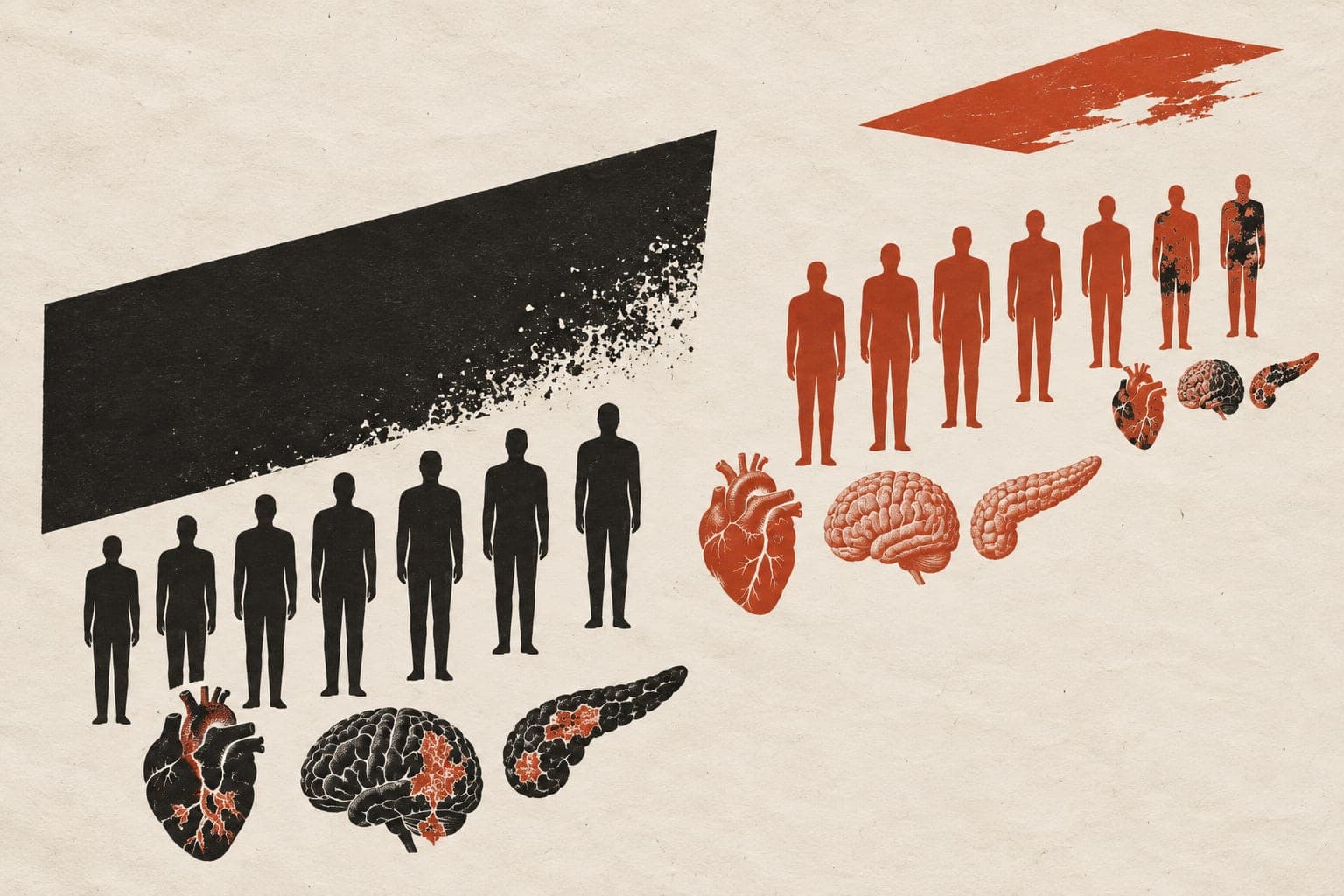
Among men, the gap ranged from 1.50 years for those with depression, care without hospital admission and university education to 19.86 years for those with schizophrenia, care involving hospital admission and less than high school education. Among women, the corresponding range ran from no gap to 18.16 years. Gaps were generally larger with less education and care involving hospital admission. They increased from depression to bipolar disorder to schizophrenia. The pattern was most pronounced for deaths from natural causes.
Why it matters
Premature death among people with severe mental illness raises questions about inequalities in lifespan. The authors suggested combining diagnosis, education and healthcare use may help target preventive interventions.
Caveats
This observational study cannot show that lower education or hospital admission caused the mortality gaps. The findings are from Norway, and the preprint has not yet been peer-reviewed.
The paper
Show 11 more authors
M. Straiton, P. H. Zahl, M. Haram, M. F. V. Veloz, O. E. Naess, C. M. Baravelli, A. K. S. Knudsen, K. Stene-Larsen, A. Reneflot, O. Plana-Ripoll, B. Kirkoen,Norwegian Institute of Public Health; Ostfold Hospital Trust
medRxiv · 7 Oct 2026 · CC BY · Preprint, not peer-reviewed