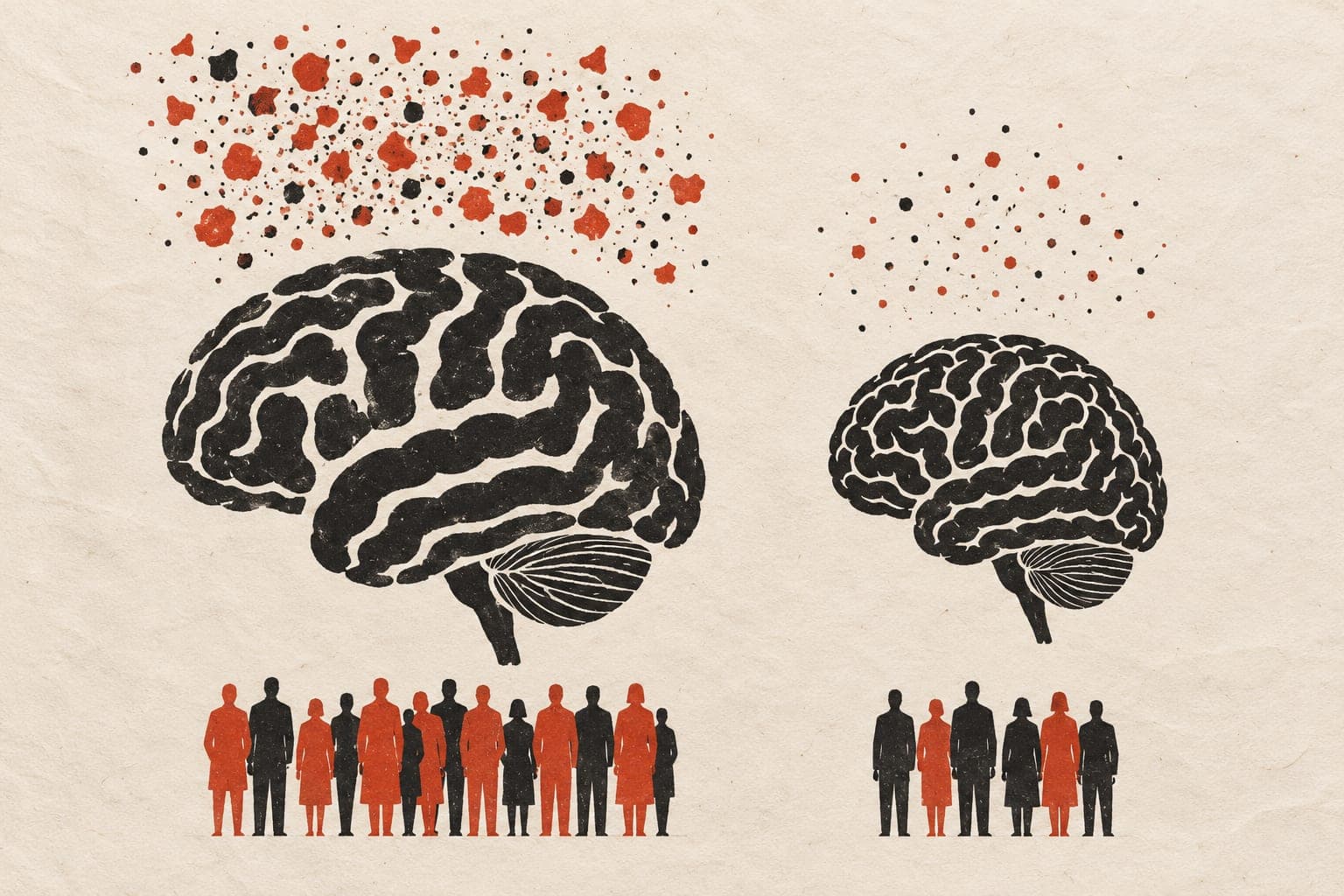
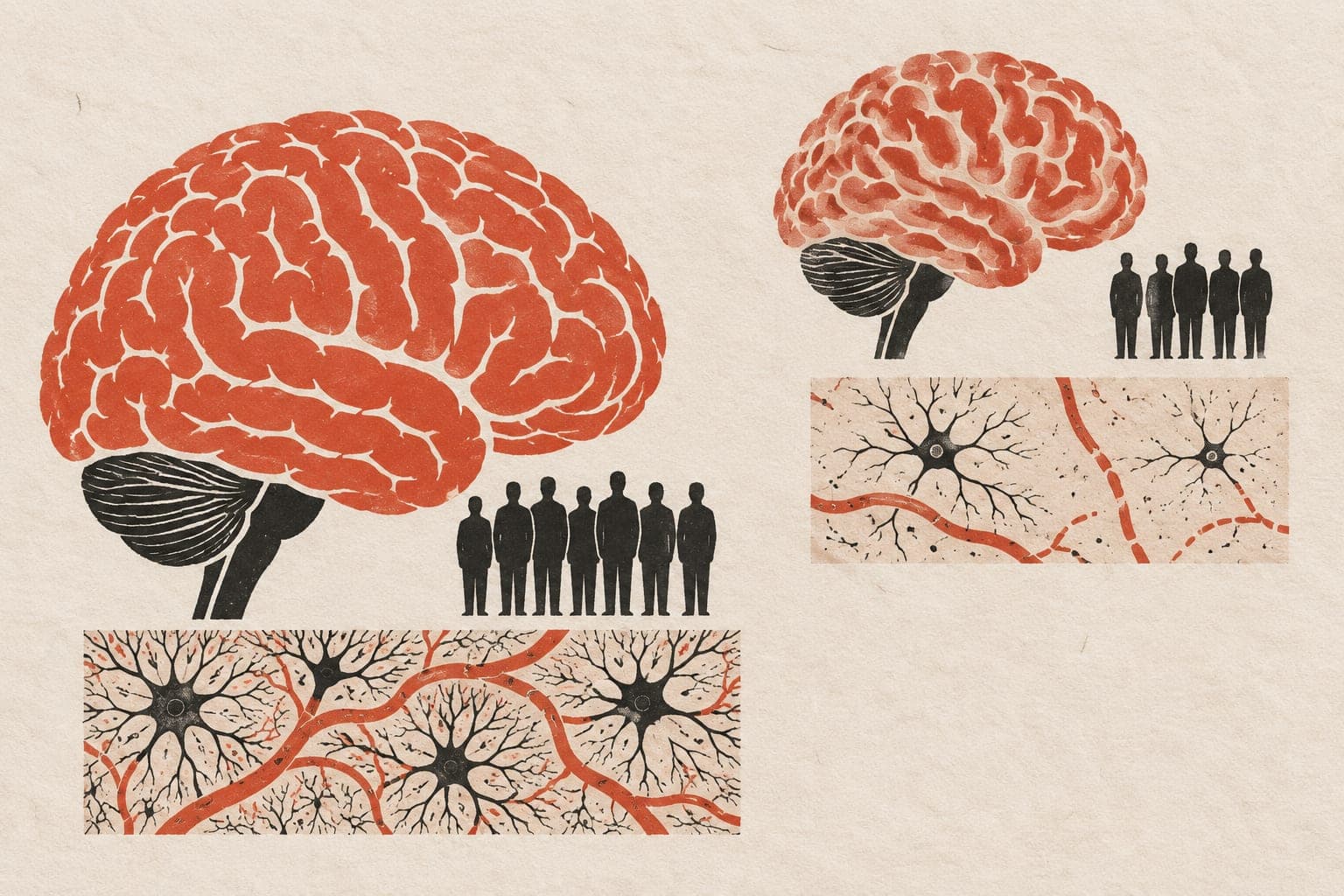
Healthy living links to lower disease risk across psychiatric genes
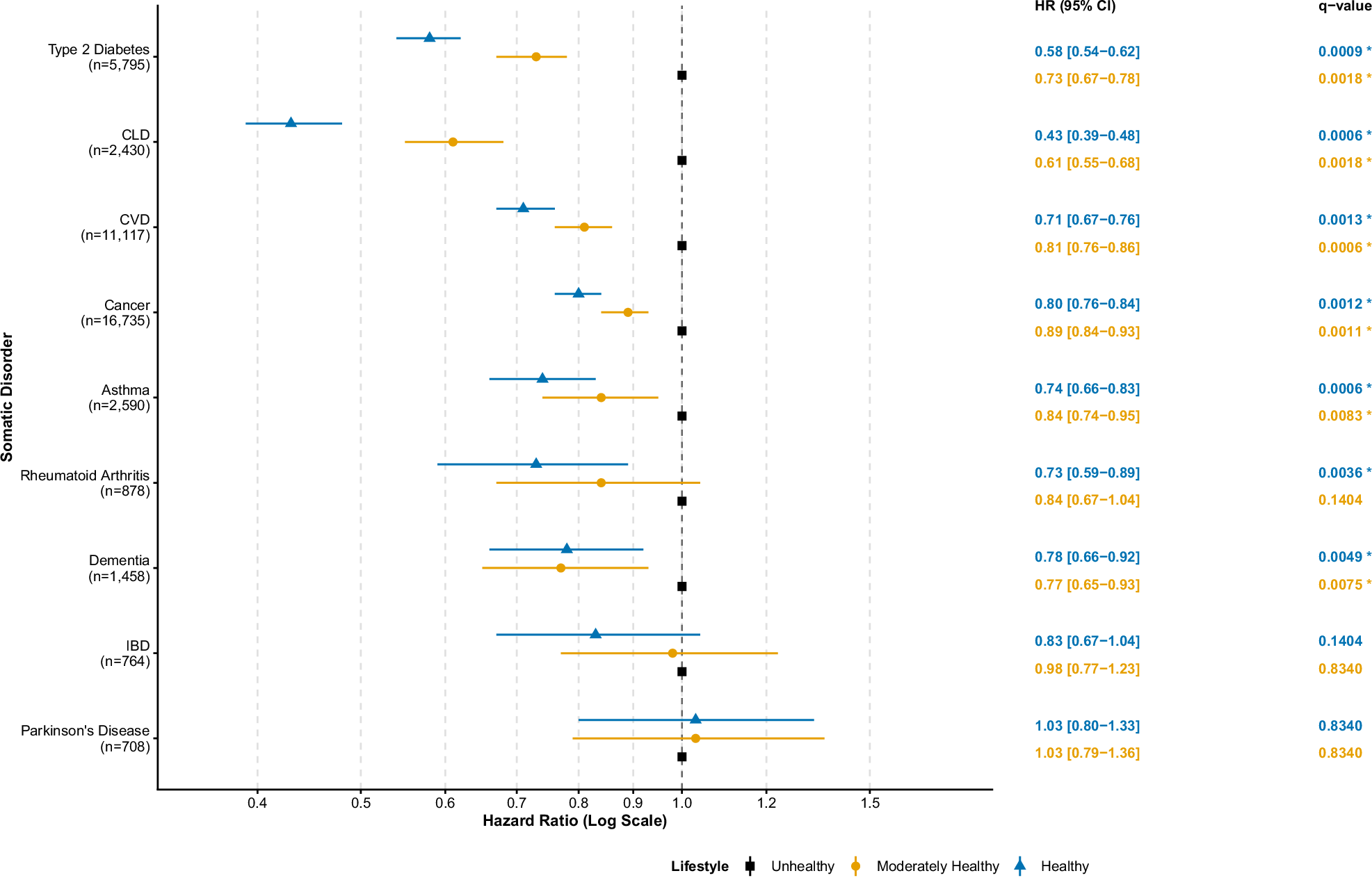
In 315,313 UK Biobank participants followed for 14 years, a healthy lifestyle was linked to lower risks of seven illnesses, with hazard ratios between 0.43 and 0.80.
Translational Psychiatry
In an observational study of 315,313 unrelated individuals from the UK Biobank cohort, researchers analysed how lifestyle habits and genetic risks for schizophrenia and bipolar disorder related to nine chronic illnesses over a median follow-up of 14 years. Lifestyle factors included smoking, alcohol intake, diet, and exercise. A healthy lifestyle was associated with lower risks of type 2 diabetes, cardiovascular disease, dementia, rheumatoid arthritis, asthma, chronic liver disease, and cancer, with hazard ratios ranging from 0.43 to 0.80. Higher genetic scores for schizophrenia were linked to increased risks of asthma and dementia but a lower risk of type 2 diabetes. Higher genetic scores for bipolar disorder were linked to increased type 2 diabetes risk. Across all genetic risk groups, individuals with healthy habits consistently showed lower risks of chronic liver disease, type 2 diabetes, cardiovascular disease, and dementia.
Why it matters
Several of the conditions analysed, such as dementia, cardiovascular disease, and type 2 diabetes, become far more common with advancing age. The results bear on how modifiable everyday habits relate to long-term risks for age-related illnesses across people with varying inherited genetic liabilities.
Caveats
Because this was an observational study, it can show only links between habits, genetics, and health outcomes rather than cause and effect. The analysis also relied on polygenic risk scores, which estimate statistical probabilities rather than certain medical diagnoses.
The paper
University of Cagliari · Maastricht University Medical Centre
Translational Psychiatry · 7 Aug 2026