Repeated blood samples better predicted osteoporosis risk
A model using repeated blood samples scored 0.67–0.76 at distinguishing future osteoporosis cases from controls, versus 0.57–0.63 for single-sample models.
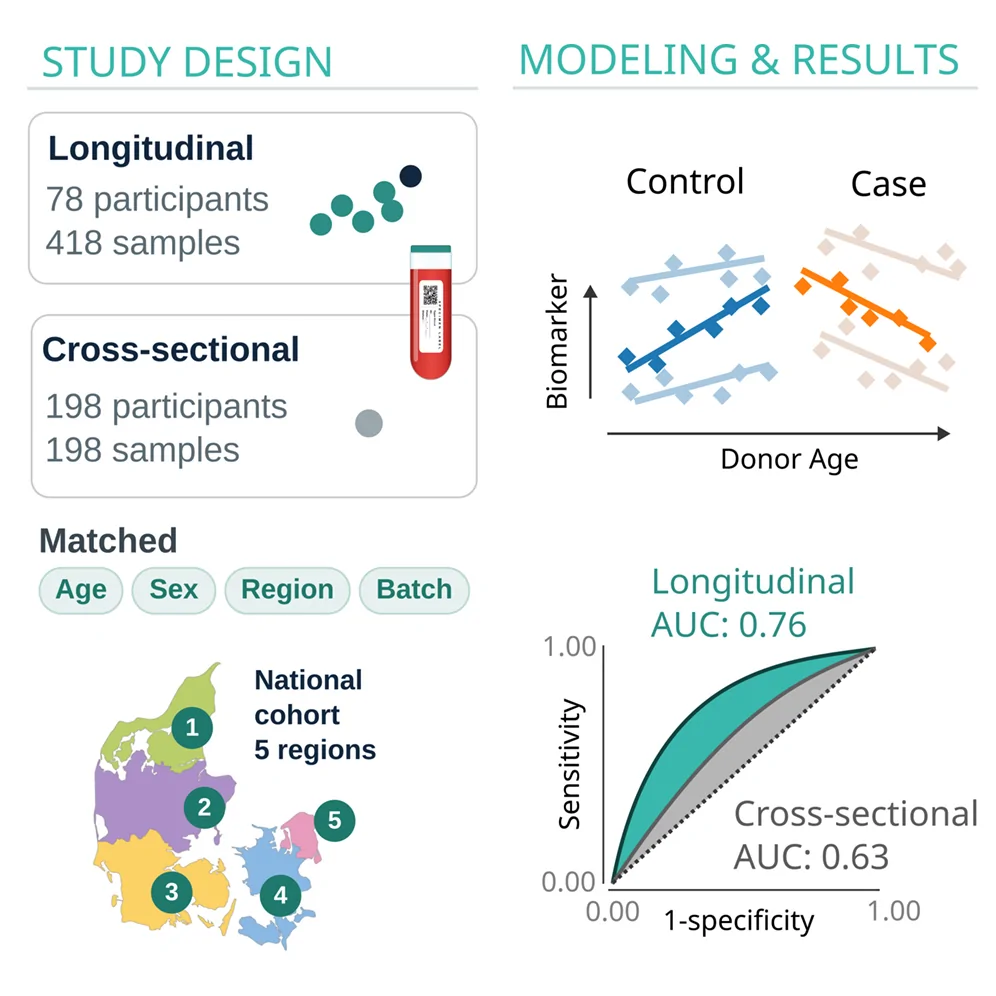
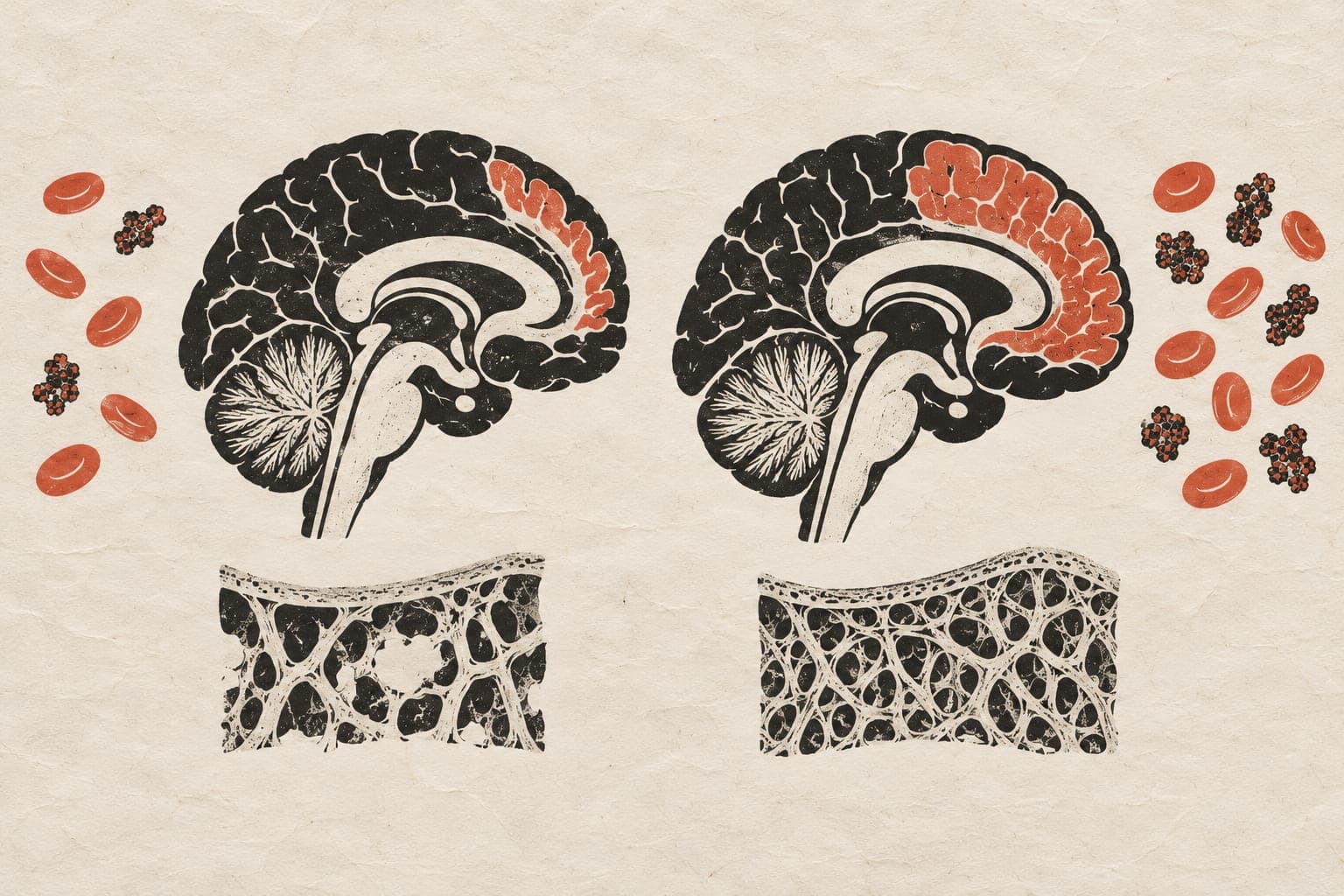
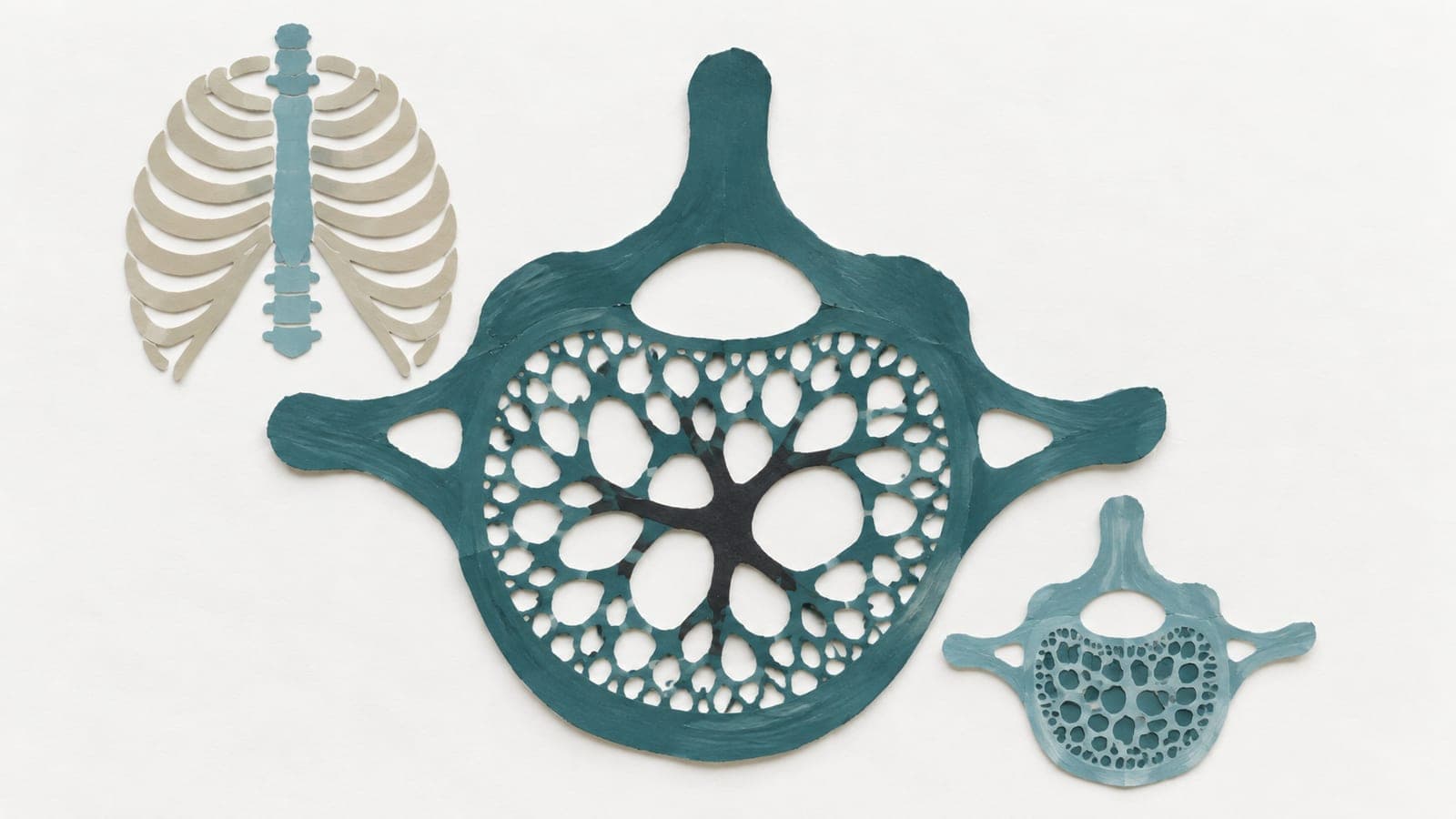
An observational study analysed blood samples from 99 people later diagnosed with osteoporosis and 99 matched controls in the Danish Blood Donor Study. Osteoporosis is a condition that weakens bones. Researchers analysed 538 profiles of metabolites, small molecules in the liquid part of blood. Each participant provided one to six samples at yearly intervals.
The researchers compared models using changes in metabolite levels over time with models using a single sampling point. They measured performance with area under the curve, a score for how well a model distinguishes cases from controls. One modelling approach using repeated samples scored 0.67–0.76, compared with 0.57–0.63 for single-sample models. Validation using independent participants and laboratory batches gave the best model a score of 0.70.
Why it matters
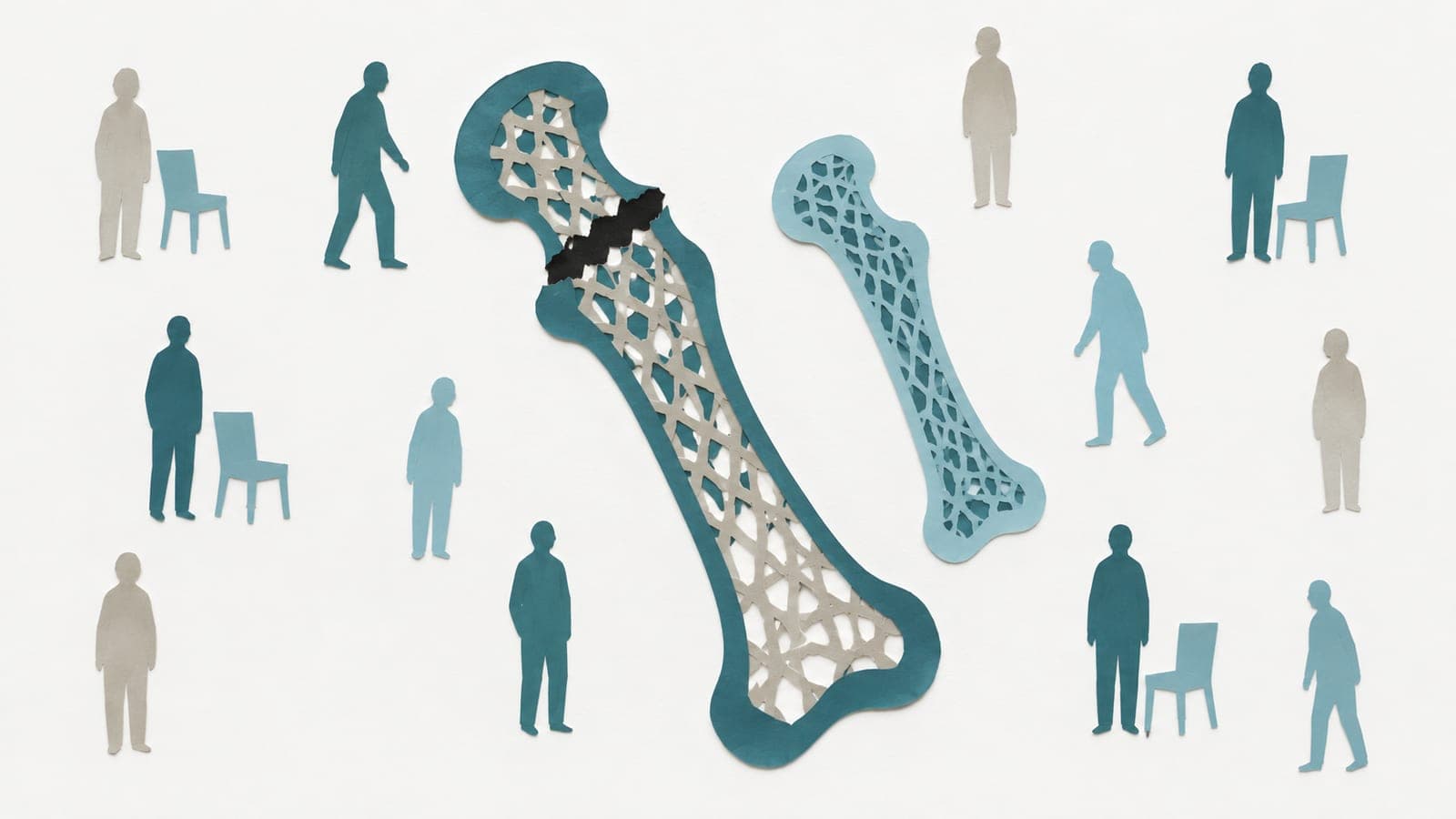
Osteoporosis is an age-related bone disease. The authors concluded that the extra information from repeated samples could justify their higher cost when recruiting participants is the main obstacle.
Caveats
This observational modelling study did not test whether using the predictions improves health. The results came from Danish blood donors, so performance in other populations remains uncertain.