Effect of Tai Chi Exercise on Fatigue in Renal Transplant Recipients: A Randomized Controlled Trial
12 weeks
Abstract
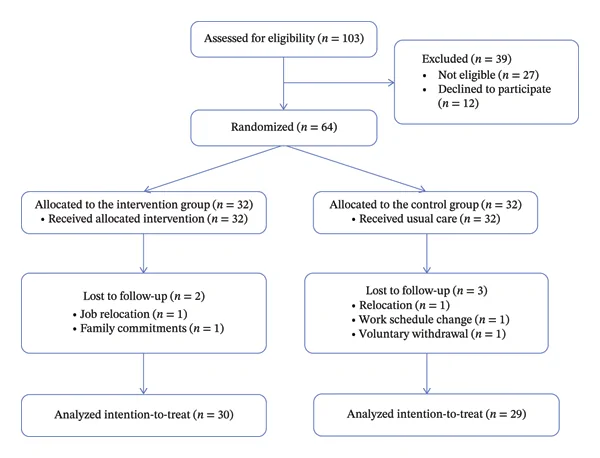
BACKGROUND: Fatigue is a prevalent symptom in kidney transplant patients that not only affects quality of life but may also impact long-term graft survival. While Tai Chi has been shown to effectively reduce fatigue in patients with chronic diseases, research in kidney transplant recipients remains limited. OBJECTIVE: To explore the effects of Tai Chi exercise on fatigue among kidney transplant recipients and to investigate the effectiveness and safety of Tai Chi-based rehabilitation. METHODS: A prospective, single-center, parallel-arm randomized controlled trial was conducted in Northeast China. The study period for patient recruitment and intervention implementation was from 1 June 2025, to 12 October 2025. Eligible participants were kidney transplant recipients aged 18-60 years who were at least 1 month post-transplantation. Sixty-four kidney transplant patients were randomly allocated (1:1) to the intervention group (Tai Chi exercise) or the control group (routine care only). The intervention group received a 12-week Tai Chi exercise program. The primary outcome was fatigue severity assessed at 12 weeks. RESULTS: After 12 weeks of Tai Chi intervention, there were statistically significant differences in total fatigue scores between the two groups of renal transplant recipients. Sleep quality and 6-min walk distance were significantly improved. CONCLUSIONS: Tai Chi exercise is a gentle and well-tolerated exercise intervention that can effectively improve fatigue in renal transplant recipients. Trial Registration: International Traditional Medicine Clinical Trial Registry: 2026000360.
From the paper
- Participants
A total of 64 participants were enrolled in this study, of whom 31 (48.4%) were male.
- Limitation
First, this study was conducted only in a tertiary hospital in Changchun, and the single source of samples may limit the generalizability of the results.
Quoted word for word from the full text on onlinelibrary.wiley.com.
The paper
Jilin University
Nursing Research and Practice, 13 Oct 2026, Open access

