Divergent ectopic fat distribution and adipokine/hepatokine levels characterize the metabolically healthy overweight/obesity phenotype
Abstract
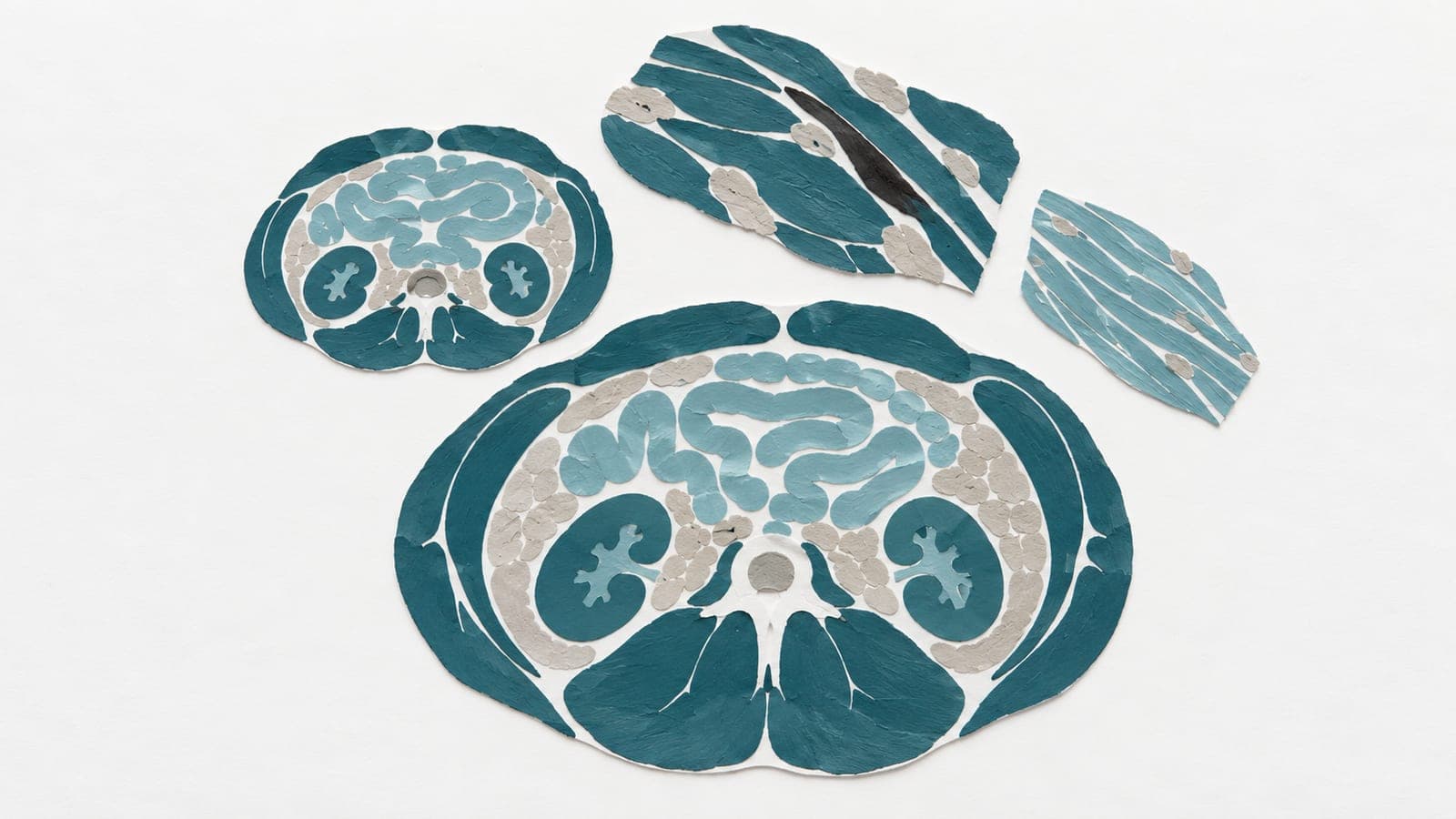
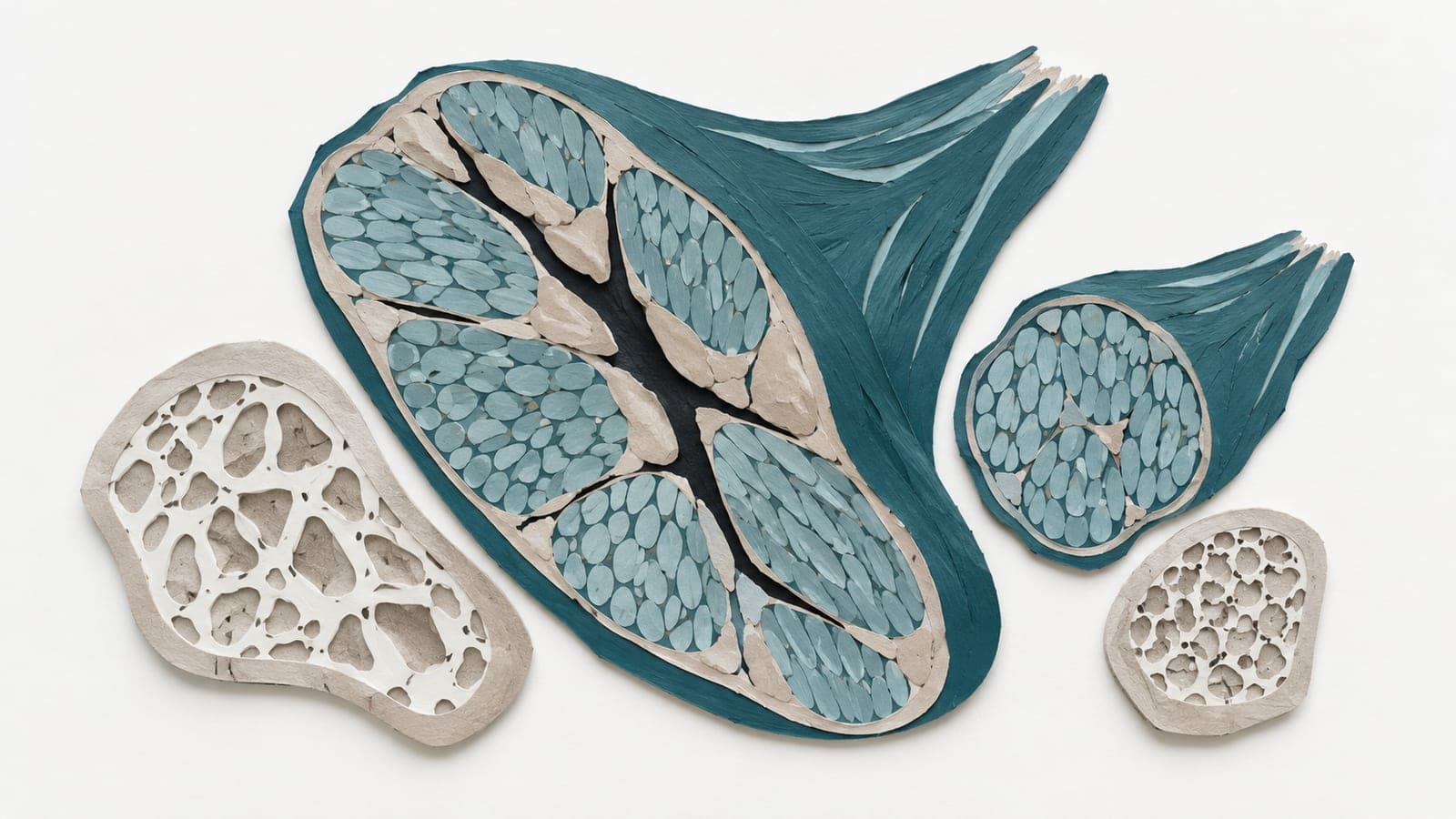
The metabolically healthy overweight/obesity (MHOO) phenotype combines excess adiposity with preserved cardiometabolic health. We compared specific fat depots, circulating adipokine and hepatokine levels, and fecal microbiota composition between 384 adults classified as MHOO (n = 99) or metabolically unhealthy overweight/obesity (MUOO; n = 285). Magnetic resonance imaging was used to quantify visceral adipose tissue (VAT) volume, hepatic and pancreatic fat fractions, abdominal and mid-thigh intermuscular adipose tissue (IMAT), and subcutaneous adipose tissue (SAT). Despite similar whole-body fat mass, MHOO showed lower VAT volume, hepatic and pancreatic fat fractions, abdominal IMAT volume, abdominal VAT-to-SAT ratio, and mid-thigh IMAT area, together with higher mid-thigh SAT area. MHOO also had higher adiponectin and sex hormone-binding globulin (SHBG) and lower retinol-binding protein 4 (RBP4) levels. Fecal microbiota composition was similar between groups. VAT volume and hepatic fat fraction were the strongest discriminative features, supporting fat distribution rather than total adiposity as a key feature of preserved metabolic health.