Aging-driven Mechanisms Underlying Parkinson's Disease Pathogenesis: Molecular, Cellular, and Systemic Perspectives
Abstract
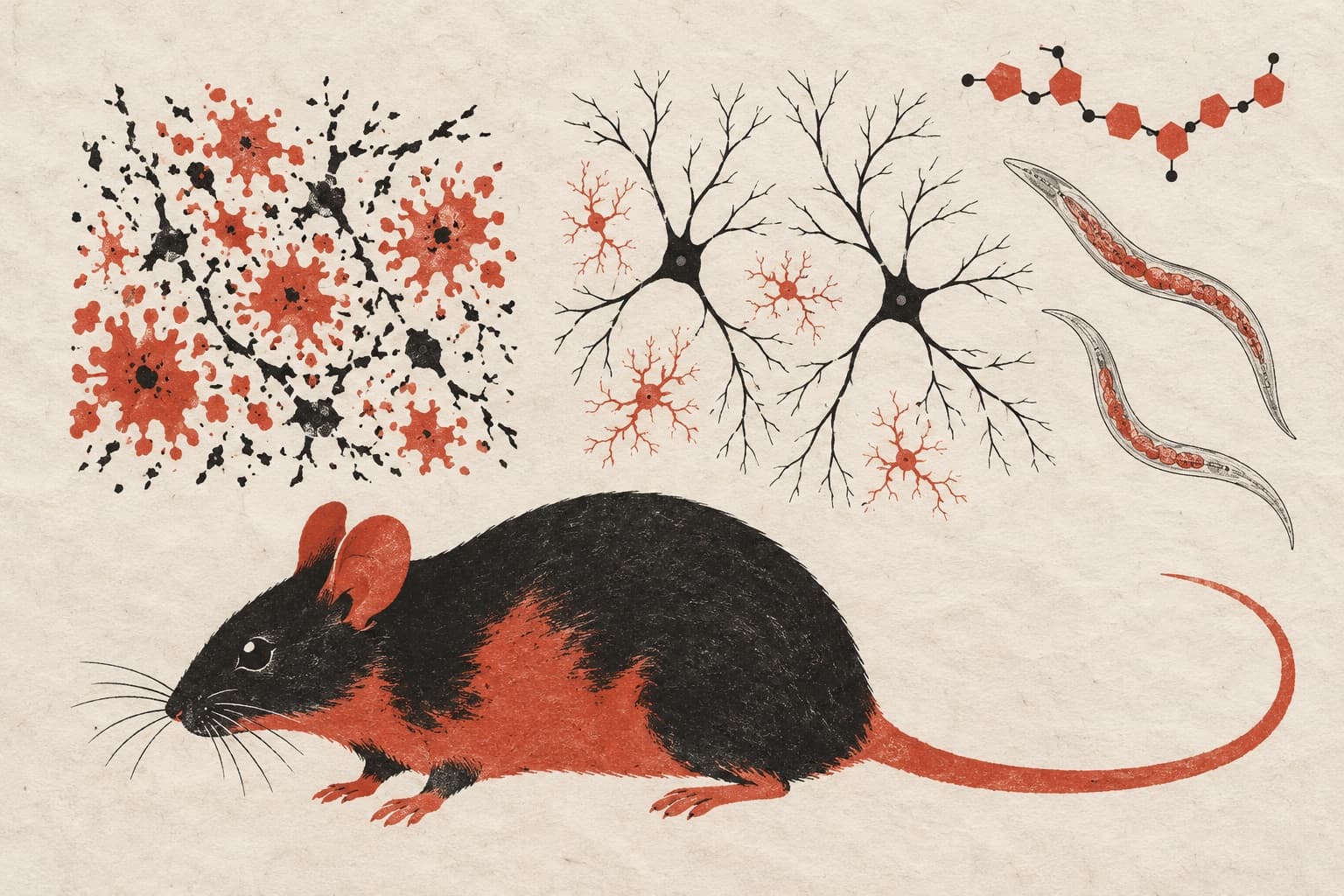
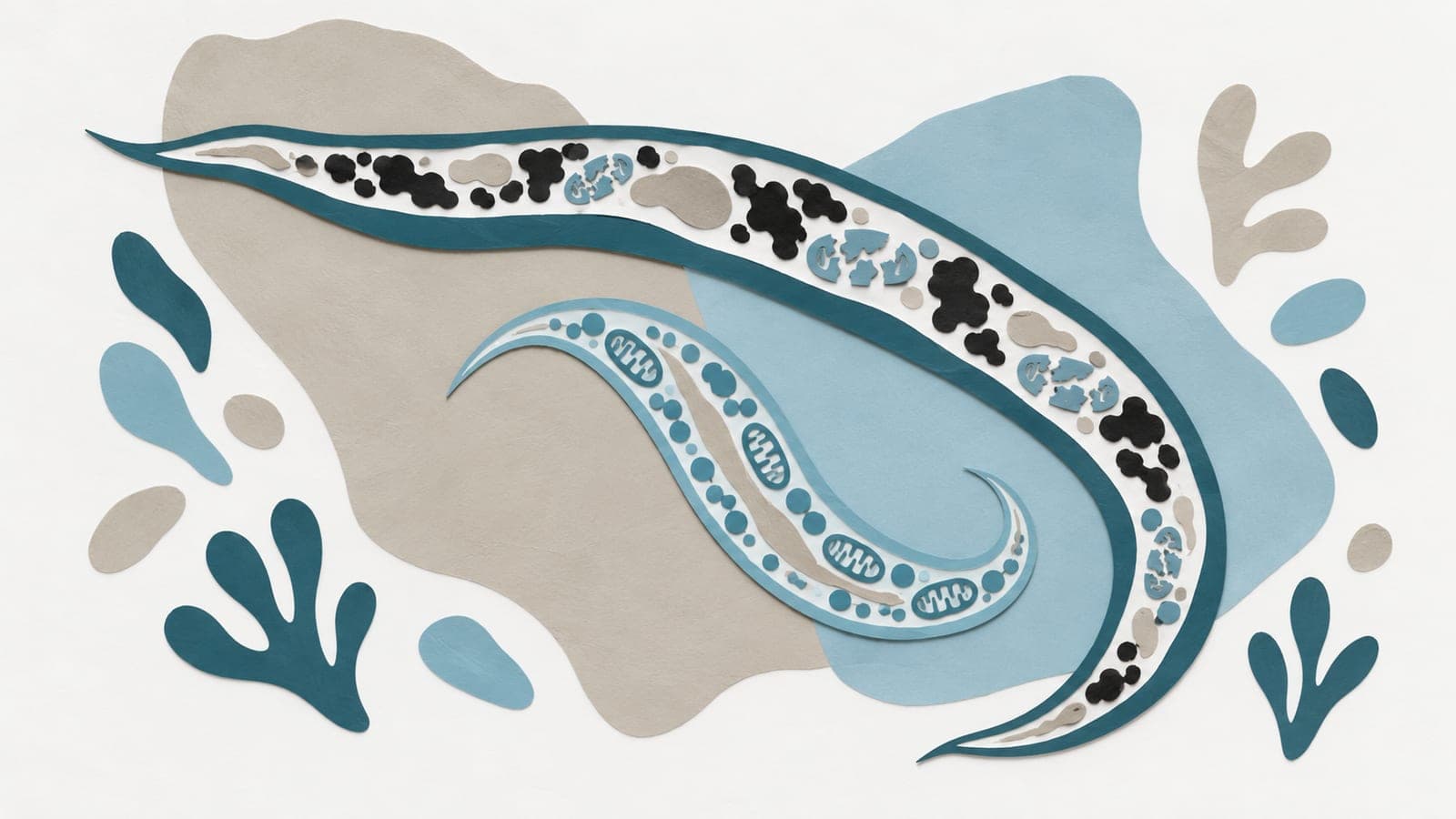
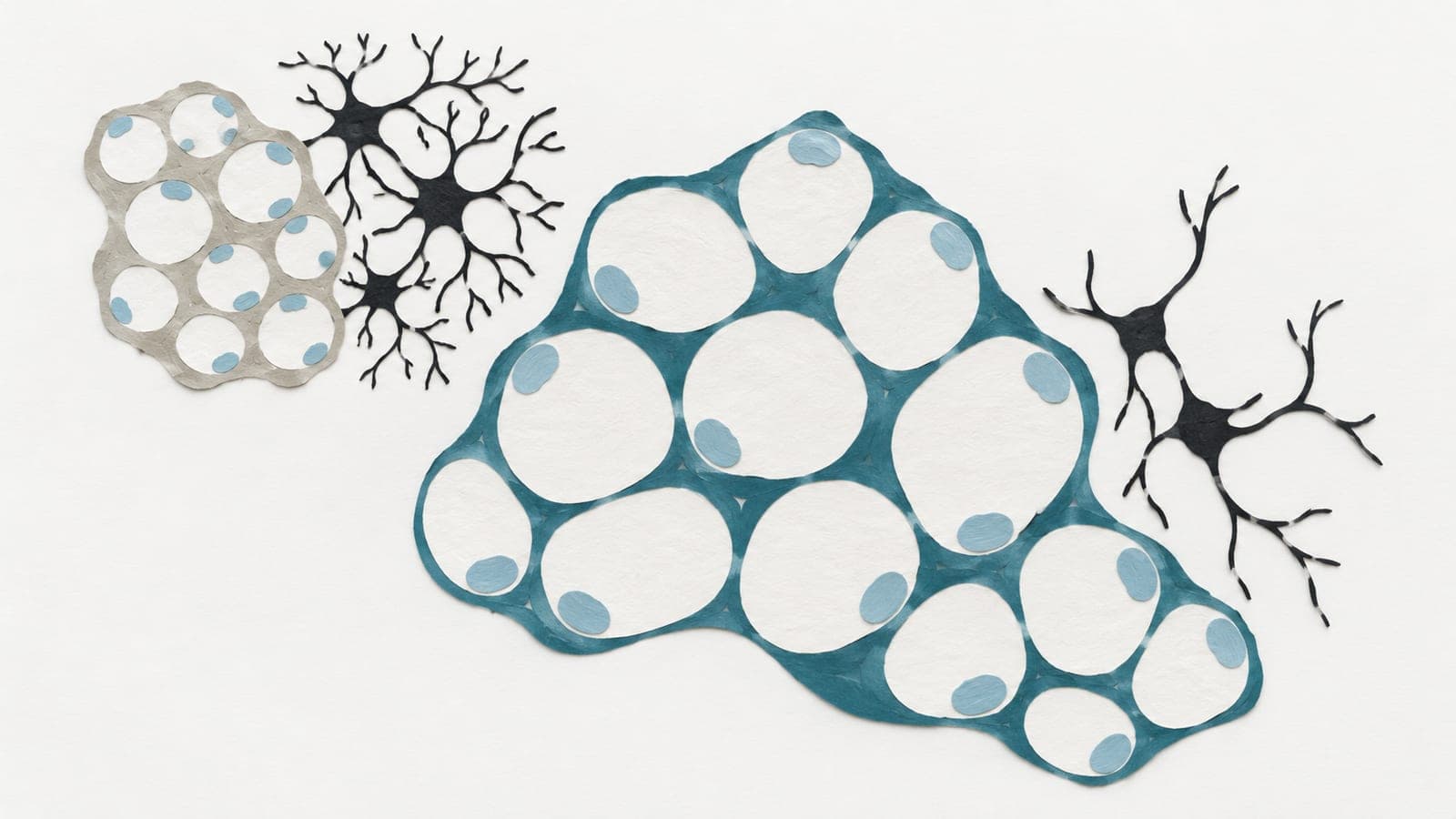
Aging is a major risk factor for Parkinson's Disease (PD) and is linked to various biological processes at the molecular, cellular, and systemic levels. At the molecular level, aging-related oxidative stress, mitochondrial dysfunction, genetic factors, and impaired proteostasis contribute to dopaminergic neuronal death. Cellular alterations include persistent glial cell activation, autophagylysosomal dysfunction, and impaired cellular repair mechanisms. At the systemic level, aging is associated with metabolic imbalance, gut microbiota dysbiosis, and immune system dysfunction, which may contribute to PD pathogenesis through the gut-brain axis. Antioxidant therapy, stem cell therapy, anti-aging agents, and modulation of gut-brain communication have shown promise in the management of PD. Lifestyle modifications, including dietary changes and regular exercise, may exert anti-aging effects that could help delay or prevent the onset of PD. Emerging anti-aging interventions, including N-acetylcysteine and plant-derived compounds that support mitochondrial function, have also demonstrated therapeutic potential for PD.
The paper
IMU University
CNS & Neurological Disorders Drug Targets, 5 Oct 2026