Age-related hearing loss linked to weaker brain connections
An observational study of 2,402 people, with a median age of 66.1 years, linked hearing loss to weaker connections between brain regions.
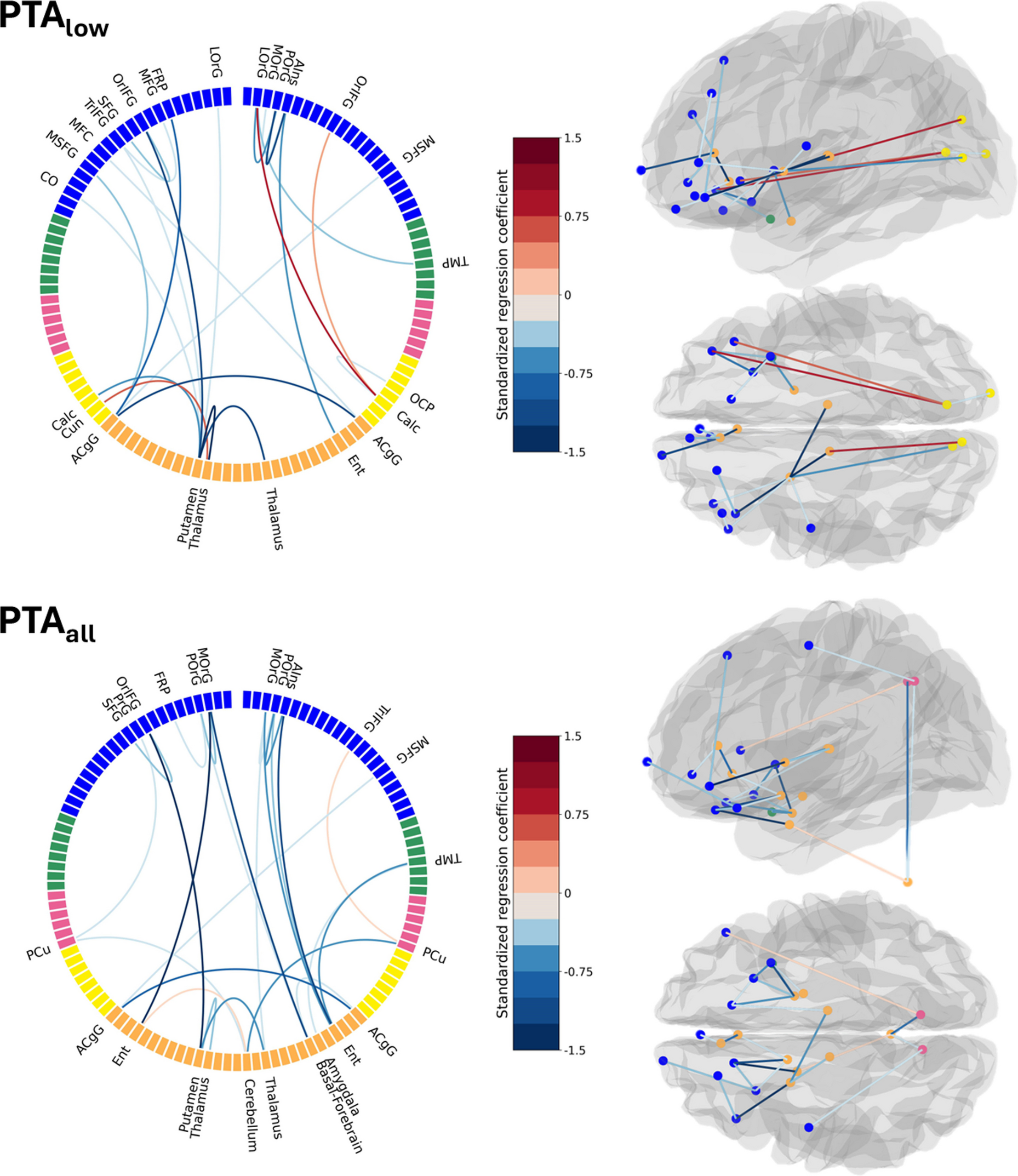
Researchers examined 2,402 participants from the population-based Rotterdam Study, whose median age was 66.1 years, in an observational study of age-related hearing loss. They used brain scans to assess physical connections between brain regions and hearing tests to assess hearing in each participant’s better-hearing ear.
Hearing loss was mainly associated with weaker connections involving frontal regions and regions deep within the brain. Contrary to their prediction, the researchers found no evidence that the connection changes favoured one side of the brain. Hearing measures that included low frequencies showed the strongest associations. Accounting for cardiovascular risk factors weakened the associations, especially for the low-frequency hearing measure.
Why it matters
Age-related hearing loss may contribute to cognitive decline through changes in brain structure. The study addressed whether patterns of brain connections fit this proposed pathway, including changes thought to compensate for reduced sensory input.
Caveats
This observational study cannot establish whether hearing loss caused weaker brain connections or whether shared cardiovascular risk contributed to both.
From the paper
- Participants
For this study, we included 2607 participants from the RS-I, RS-II, and RS-III cohorts who underwent brain MRI scanning and pure-tone audiometry between 2012 and 2016.
- Limitation
Our study design was cross-sectional, which does not allow for inferring a possible causal relationship between hearing loss and structural connectivity.
Quoted word for word from the full text on link.springer.com.
- Age-related hearing loss
- All-frequency pure-tone average
- Low-frequency pure-tone average
- Whole-brain structural connectivity
- Humans
The paper
Department of Otorhinolaryngology
GeroScience, 12 Oct 2026