EXERCISE, DNA METHYLATION, AND ALZHEIMER'S DISEASE: MECHANISTIC LINKS AND FUTURE DIRECTIONS IN INTERGENERATIONAL RESEARCH
Abstract
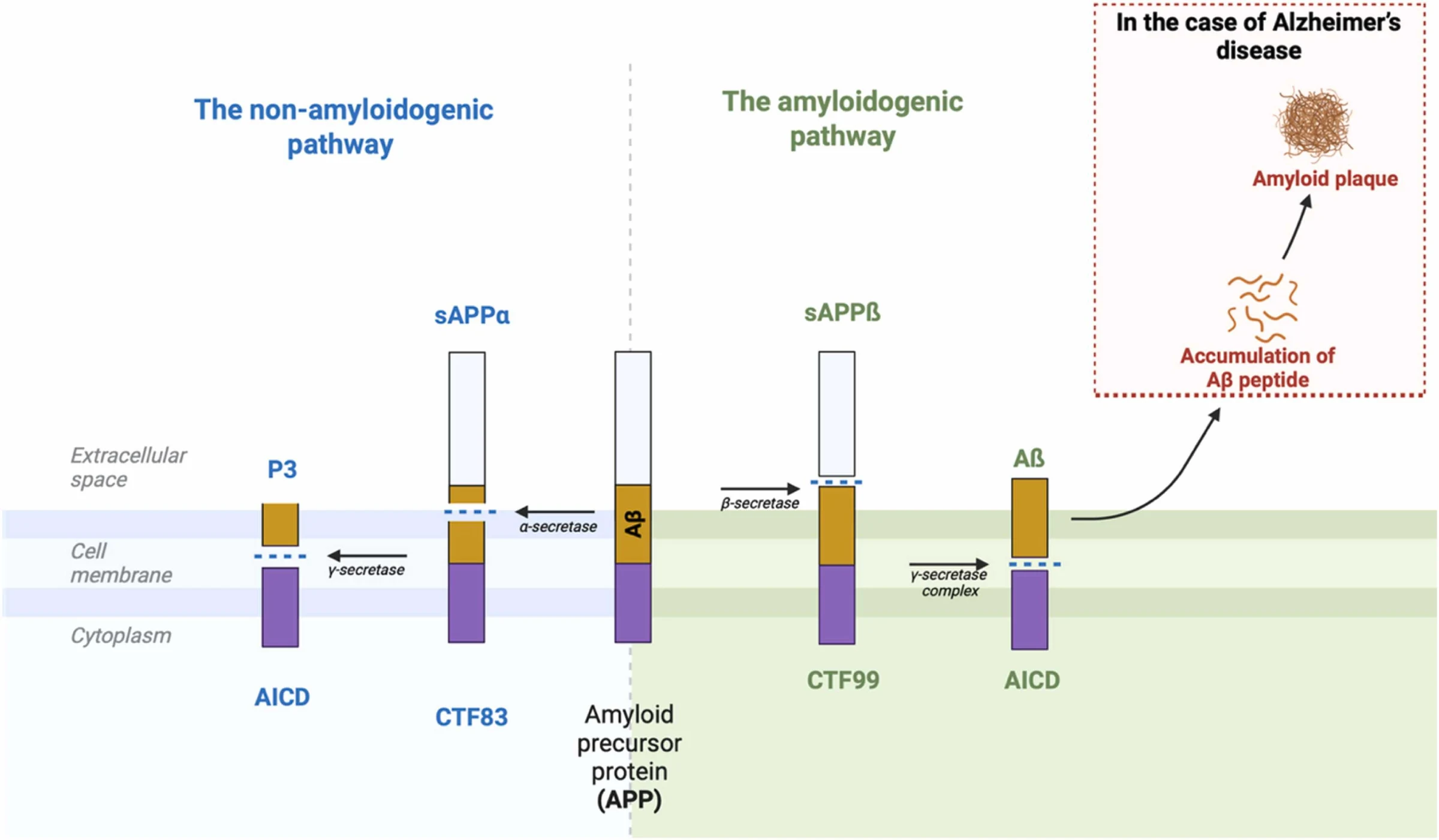
Alzheimer's disease (AD) is the most common cause of dementia and remains without a cure; recently introduced disease-modifying therapies provide only modest slowing in selected patients. Physical exercise is associated with better cognitive and functional outcomes, but the molecular mechanisms underlying these benefits remain incompletely understood. DNA methylation is a potential interface linking environmental stimuli to gene regulation and neural function. This narrative review examines evidence connecting exercise, DNA methylation, and AD, with emphasis on AD-related loci and on the possible intergenerational implications of parental exercise. We examine methylation findings involving amyloid precursor protein (APP) and presenilin-1 (PSEN1), which are relevant to amyloid-β production; microtubule-associated protein tau (MAPT), which encodes tau; and apolipoprotein E (APOE), which influences lipid transport and amyloid-β clearance. These findings suggest potential epigenetic contributions to AD-related biology, although their direction and functional significance vary across studies. We also discuss exercise-responsive pathways involved in energy sensing, autophagy, and redox signaling. We also evaluate whether exercise-associated epigenetic remodeling could influence amyloid-β accumulation, Tau homeostasis, and neuronal function. Evidence that exercise modifies DNA methylation is growing, whereas studies that integrate exercise interventions, genome-wide methylation, and AD-related outcomes remain scarce. Evidence for an inherited reduction in AD susceptibility is even more limited and currently supports a hypothesis rather than an established mechanism. Future studies integrating behavioral, neuropathological, cell-type-resolved epigenomic, and other multi-omic outcomes are needed to determine whether exercise-induced DNA methylation changes mediate neuroprotection in AD or primarily reflect broader physiological adaptation.
- Exercise
- DNA methylation
- Autophagy
- Epigenetic regulation of gene expression
- Nutrient sensing
- Alzheimer's disease
The paper
École Normale Supérieure de Rennes - University of Rennes; University of São Paulo (USP)
Ageing Research Reviews, 12 Oct 2026