An ultrasound-responsive hydrogel with piezoelectric-enhanced bioelectric-vesicular coupling alleviates mitochondrial dysfunction and inflammation for osteoarthritis therapy
Abstract
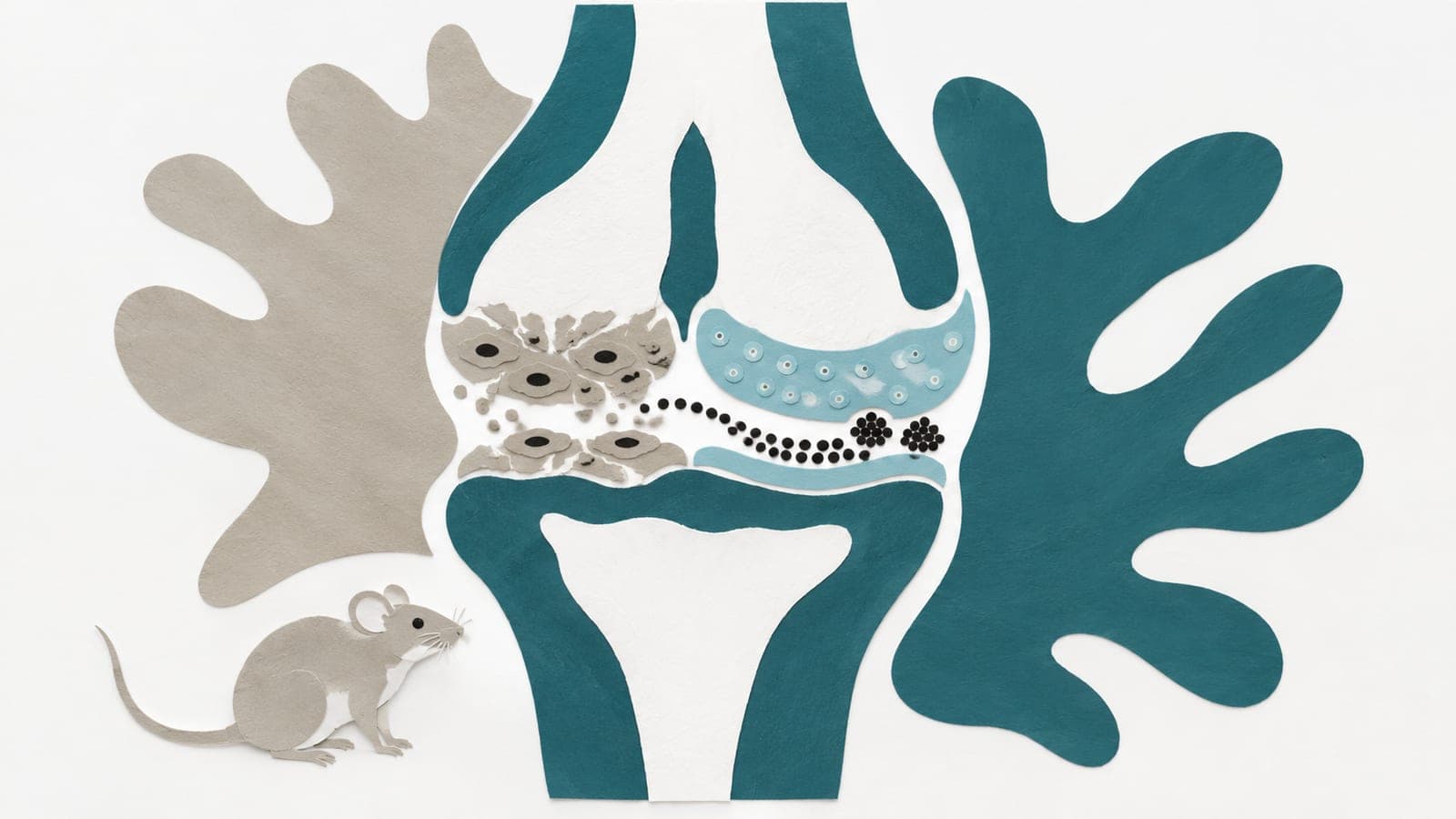
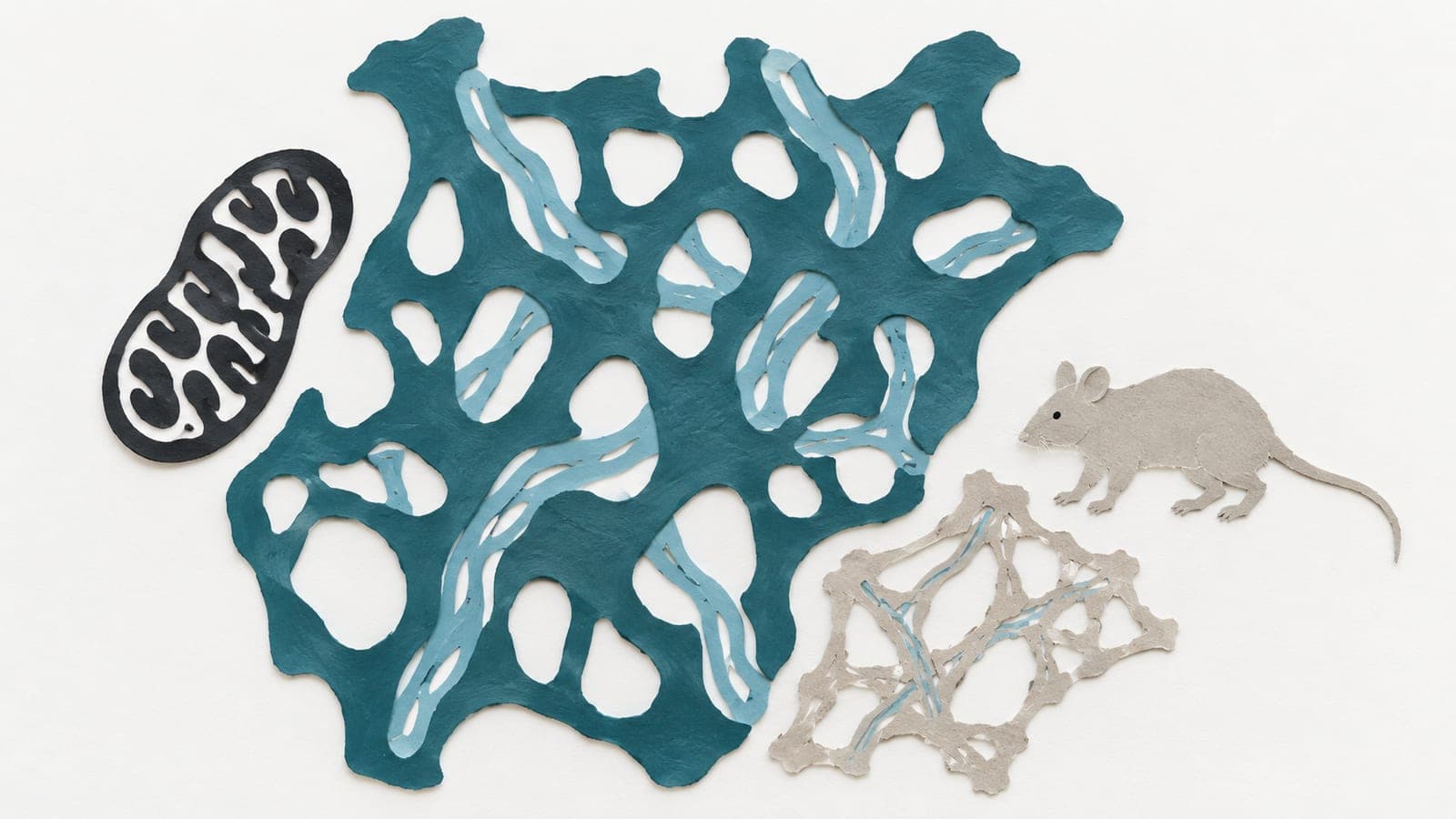
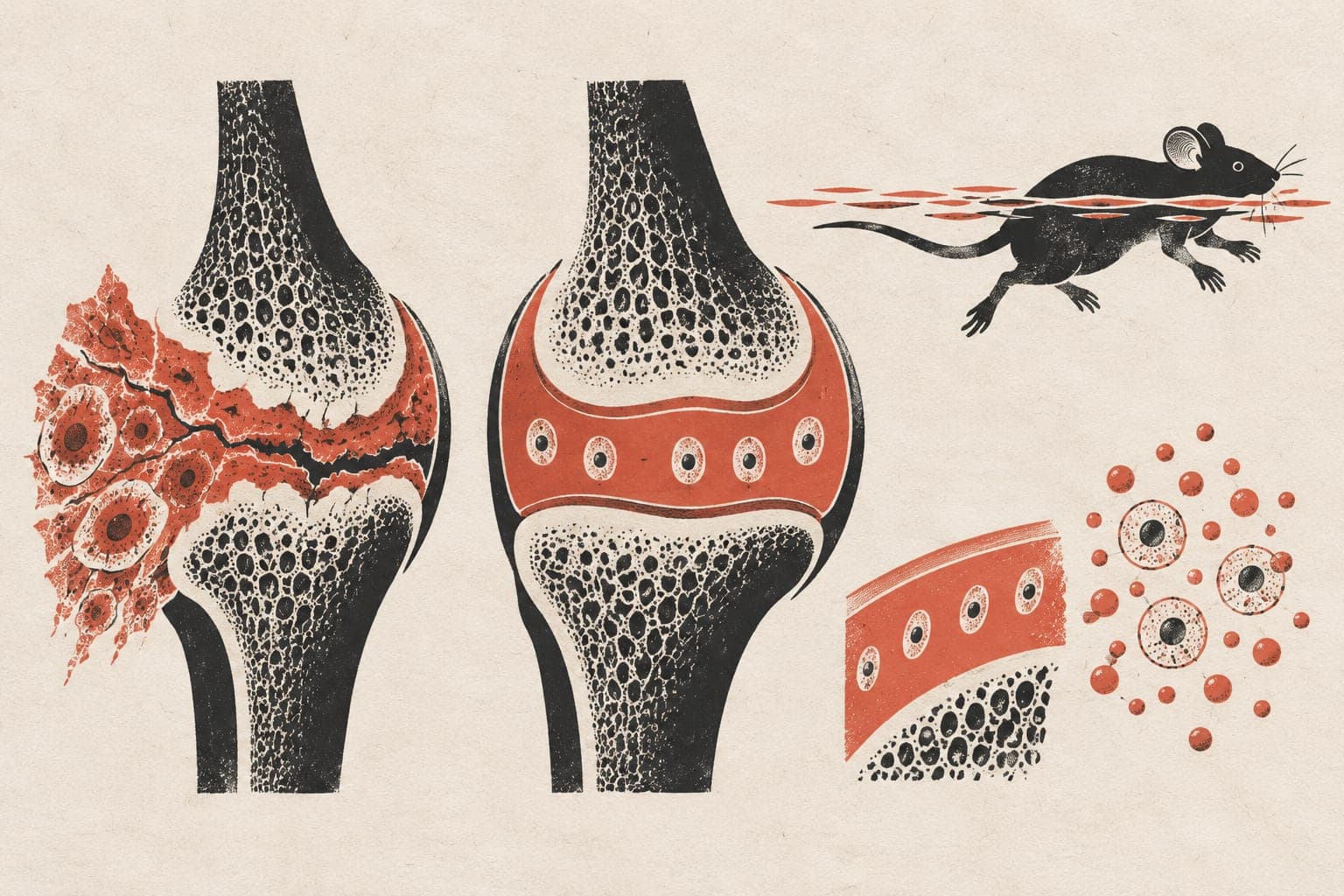
Osteoarthritis (OA) is a degenerative whole-joint disease characterized by interconnected pathological processes, including mitochondrial dysfunction, inflammatory microenvironment dysregulation, extracellular matrix (ECM) degradation, and aberrant subchondral bone remodeling. However, biological interventions or physical stimulation alone are often insufficient to coordinately regulate these processes. Here, we developed GM@KP-ABs, an injectable ultrasound-responsive hydrogel. It incorporates polydopamine-modified potassium sodium niobate nanoparticles (KNN@PDA) and Urolithin A-engineered apoptotic bodies (UA-ABs) within a gelatin methacryloyl matrix. KNN@PDA functioned as an electroactive transducer capable of converting low-intensity ultrasound into piezoelectric stimulation. Under these activation conditions, the treatment was associated with enhanced PINK1/Parkin-related mitophagic activity. In parallel, UA-ABs delivered complementary mitochondria-regulating signals through their vesicular cargo. The combined treatment was associated with enhanced clearance of damaged mitochondria and improved mitochondrial functional indices under osteoarthritic inflammatory conditions. These changes were accompanied by attenuated mitochondrial damage-associated activation of the cGAS-STING-NF-κB pathway, a treatment-associated shift of macrophages toward an anti-inflammatory M2-like phenotype, reduced inflammation, and improved ECM metabolic balance. In a destabilization of the medial meniscus (DMM)-induced OA model, ultrasound-activated GM@KP-ABs mitigated cartilage degeneration and aberrant subchondral bone remodeling. These findings support the potential of a remotely activated hydrogel platform that combines piezoelectric stimulation with engineered vesicular signaling for mitochondrial quality-control-oriented OA treatment.
The paper
Donghua University; Ruian People's Hospital
Bioactive Materials, 22 Sep 2026