Plasma metabolomic profiles associated with breastfeeding history and subsequent ovarian cancer risk
Abstract
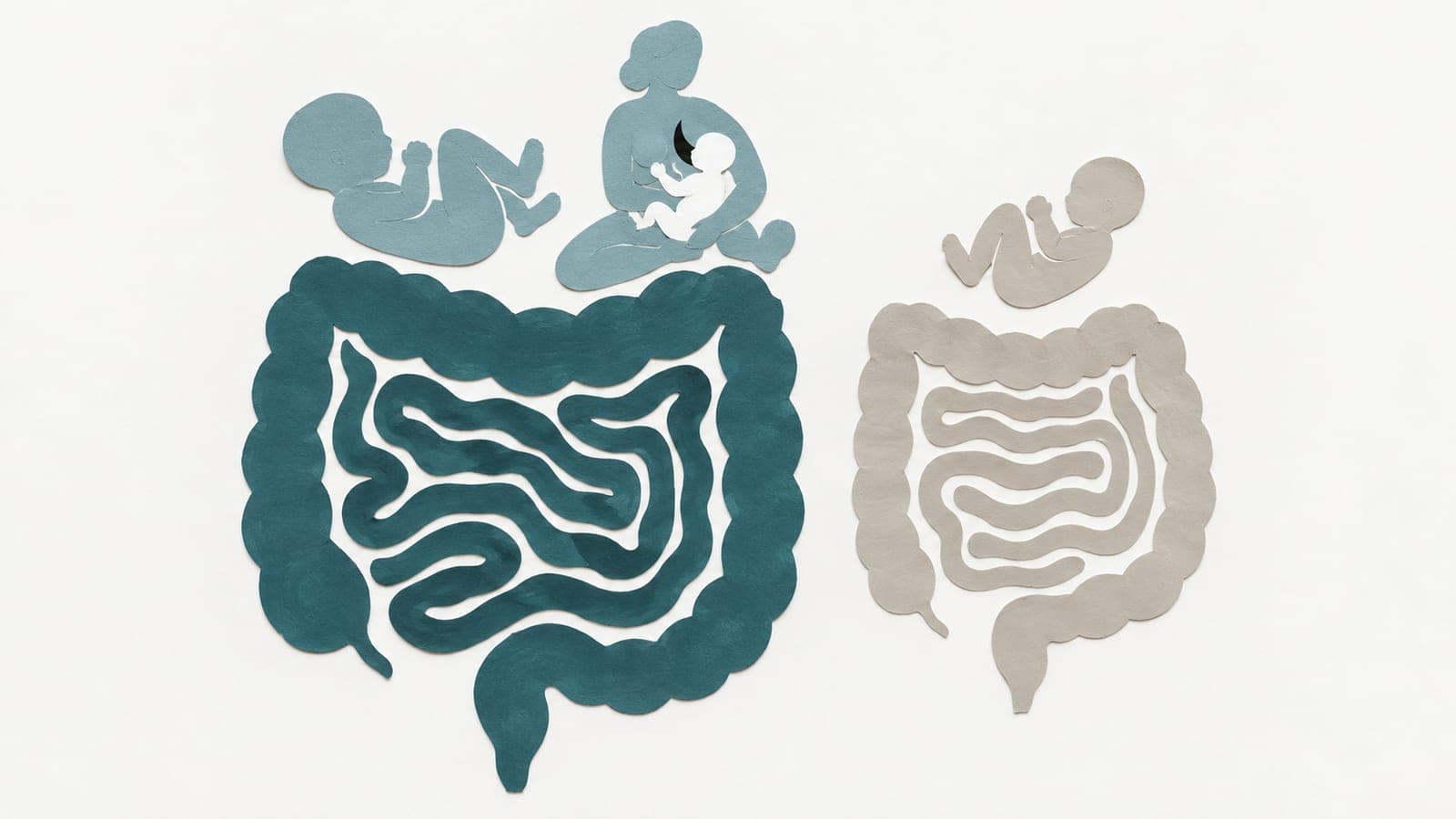
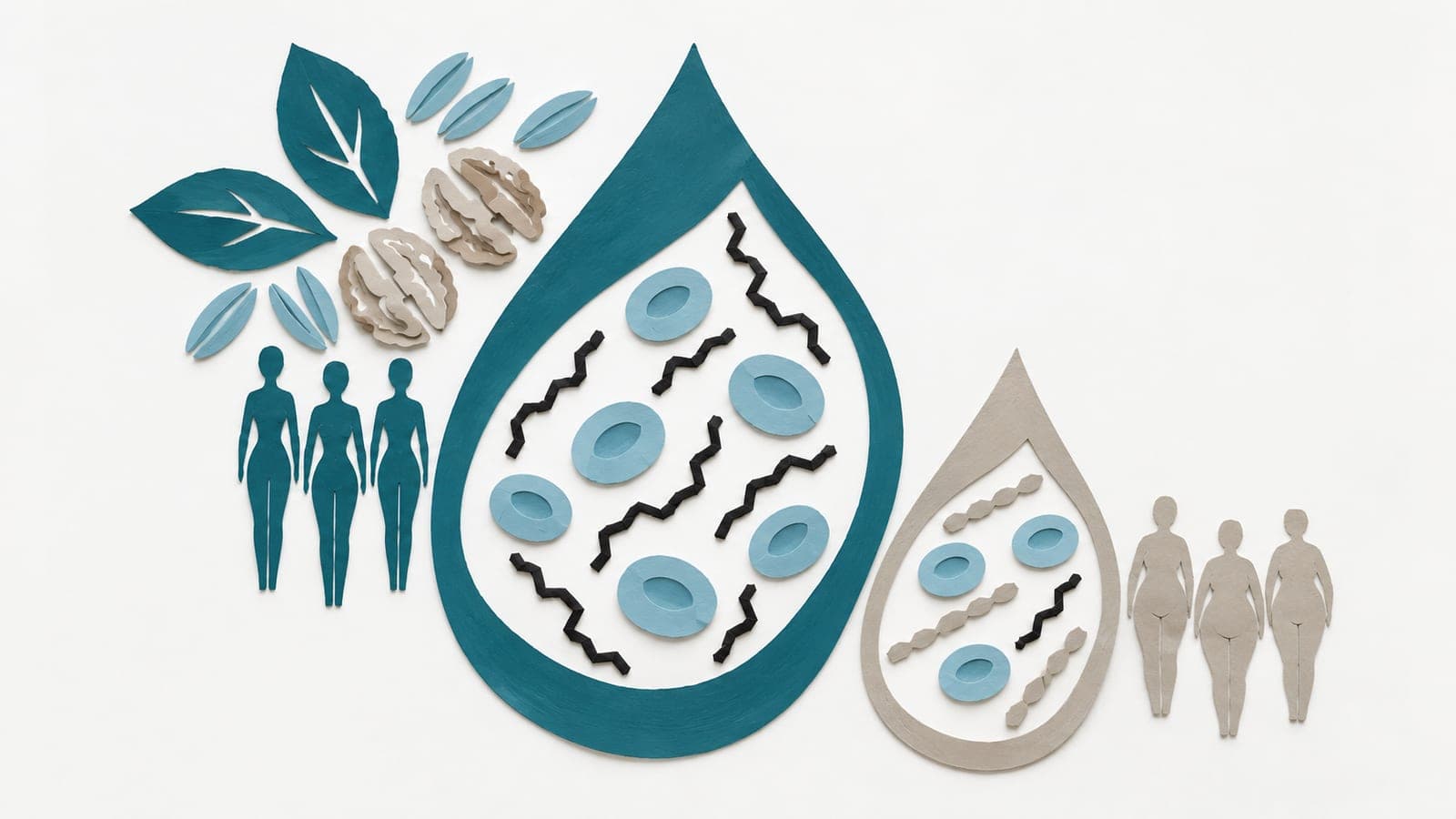
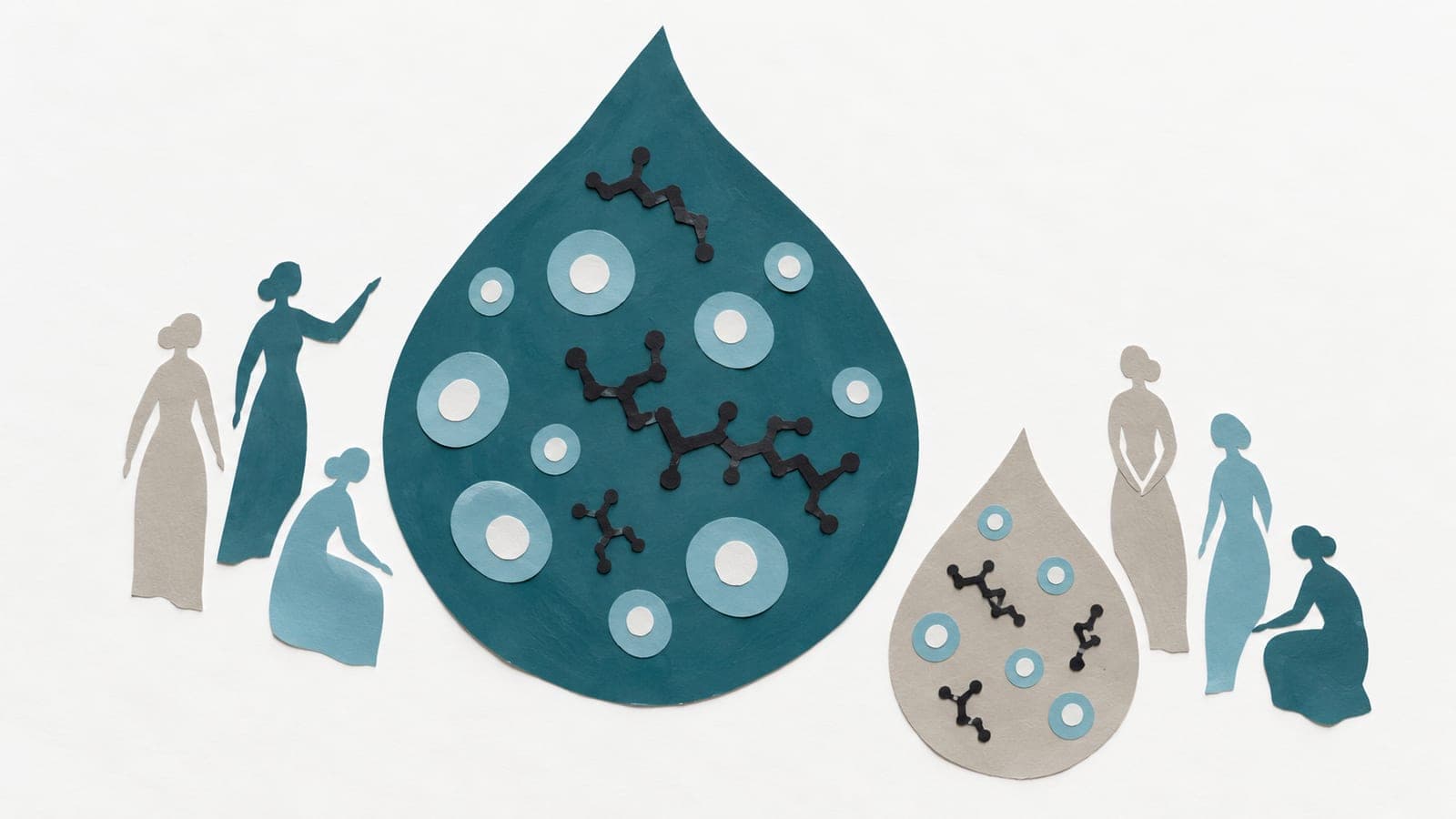
BACKGROUND: Breastfeeding reduces ovarian cancer risk, but the underlying biological mechanisms remain unclear. METHODS: We examined the association between a previously reported metabolite-based breastfeeding score with incident epithelial ovarian cancer risk in case-control studies nested within the Nurses' Health Studies (NHS/NHSII, n = 436) and Prostate, Lung, Colorectal, and Ovarian Cancer Screening Trial (PLCO, n = 300) using conditional logistic regression to calculate odds ratios (ORs) and 95% confidence intervals (CIs) for each study and conducted a meta-analysis. We investigated 606 individual breastfeeding-metabolite associations among 9,904 mid-life parous women in NHS/NHSII and 663 one-year postpartum women in the Vitamin D Antenatal Asthma Reduction Trial (VDAART). Metabolites associated with breastfeeding at p ≤ 0.05 after multiple testing correction for number of effective tests (NEF) were then assessed for their associations with ovarian cancer. Metabolite set enrichment analysis using Normalized Enrichment Score (NES) identified metabolite classes associated with breastfeeding using false discovery rate (FDR) were used for multiple testing correction. RESULTS: The highest quartile of metabolite-based breastfeeding score was inversely associated with ovarian cancer risk (meta-analyzed odds ratio [OR]=0.62, 95%CI=0.39-0.99). Of the 14 individual metabolites associated with breastfeeding in NHS/NHSII and also measured in VDAART, similar direction of associations was observed for 11 metabolites. Phosphatidylcholines (PCs; NES=1.94; FDR=0.004) and phosphatidylethanolamines (PEs; NES=1.82; FDR=0.01) were positively enriched with increased breastfeeding duration. Ten metabolites including PCs and PEs were positively associated with breastfeeding and inversely associated with ovarian cancer. CONCLUSION(S): Our results suggest alterations of systemic metabolism, particularly among PC and PE pathways, provide insight into biological pathways underlying the inverse breastfeeding-ovarian cancer association.
- Breastfeeding
- Lipid and ceramide metabolism
- Epithelial ovarian cancer
- Metabolite-based breastfeeding score
- Phosphatidylcholine
- Humans
The paper
Brigham and Women's Hospital; Fred Hutchinson Cancer Center
JNCI Cancer Spectrum, 10 Oct 2026