Higher birthweight and breastfeeding linked to slower organ aging
In UK Biobank participants, higher birthweight was associated with slower aging in 11 organs, while breastfeeding was linked to slower intestine and adrenal aging.
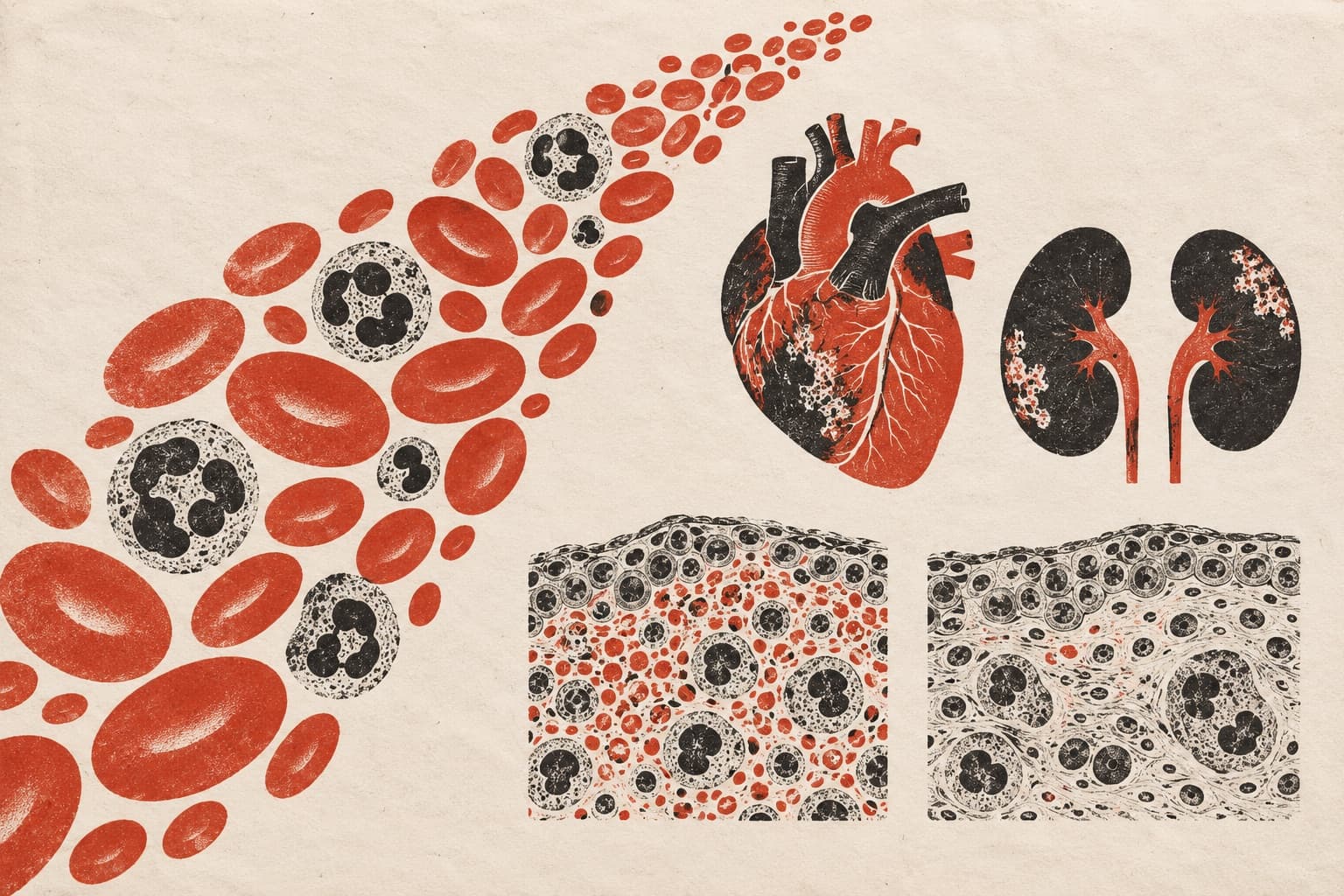
In an observational study of UK Biobank participants, researchers analysed retrospectively reported birthweight in 21,446 adults and breastfeeding history in 29,713 adults. They examined associations with 19 biological aging measures derived from proteins, covering 18 individual organs and one composite score. Higher birthweight was linked to slower aging across 11 organ systems, with the strongest associations in the intestine, oesophagus, and stomach. Being breastfed was associated with slower aging in the intestine and adrenal gland, but modestly faster thyroid aging. Combining higher birthweight and breastfeeding was linked to the most favourable aging profiles. These links were stronger in females and socioeconomically advantaged subgroups. Allostatic load, a measure of cumulative bodily wear and tear, mediated up to 35.3% of the birthweight link.
Why it matters
The findings suggest that early-life nutrition may leave lasting imprints on biological aging across specific organs. Understanding these links may help clarify how early development influences the rate at which different body systems age decades later.
Caveats
The study was observational, meaning it can identify links but cannot prove cause and effect. In addition, the analysis relied on retrospectively reported birthweight, and organ aging was estimated through protein-derived measures rather than direct tissue examination.
The paper
Birthweight and Breastfeeding Shape Patterns of Biological Aging Across Adult Organs
Show 12 more authors
Boyue Zhao, Dan He, Jingni Hui, Jin Feng, Shiqiang Cheng, Xuena Yang, Chuyu Pan, Yifan Gou, Yan Wen, Huan Liu, Yumeng Jia, Li Liu,Xi'an Jiaotong University
Aging Cell, 1 Oct 2026