Biomarker-Guided, Stage-Specific Senotherapy for Metabolic Dysfunction-Associated Steatotic Liver Disease
Abstract
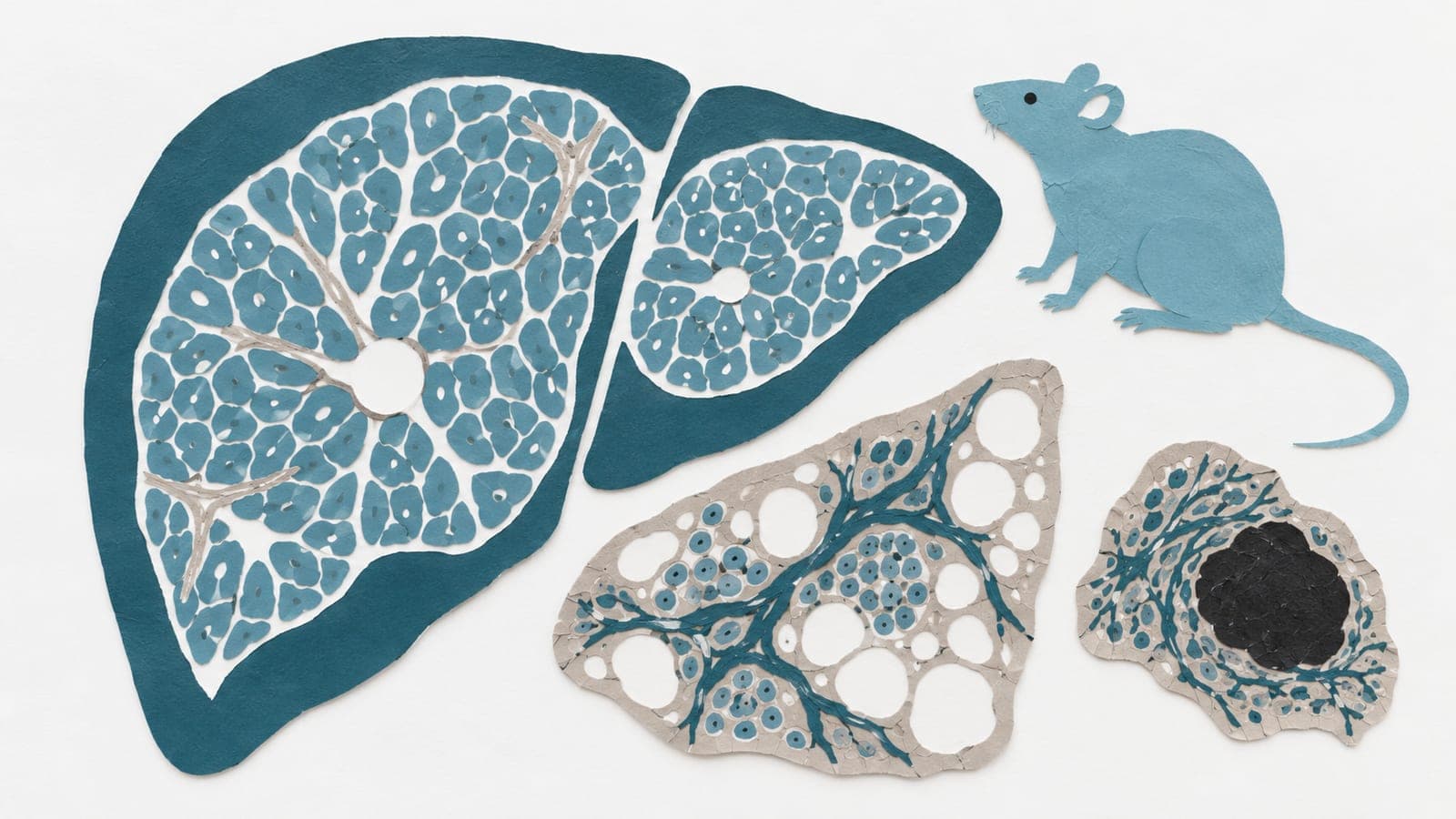
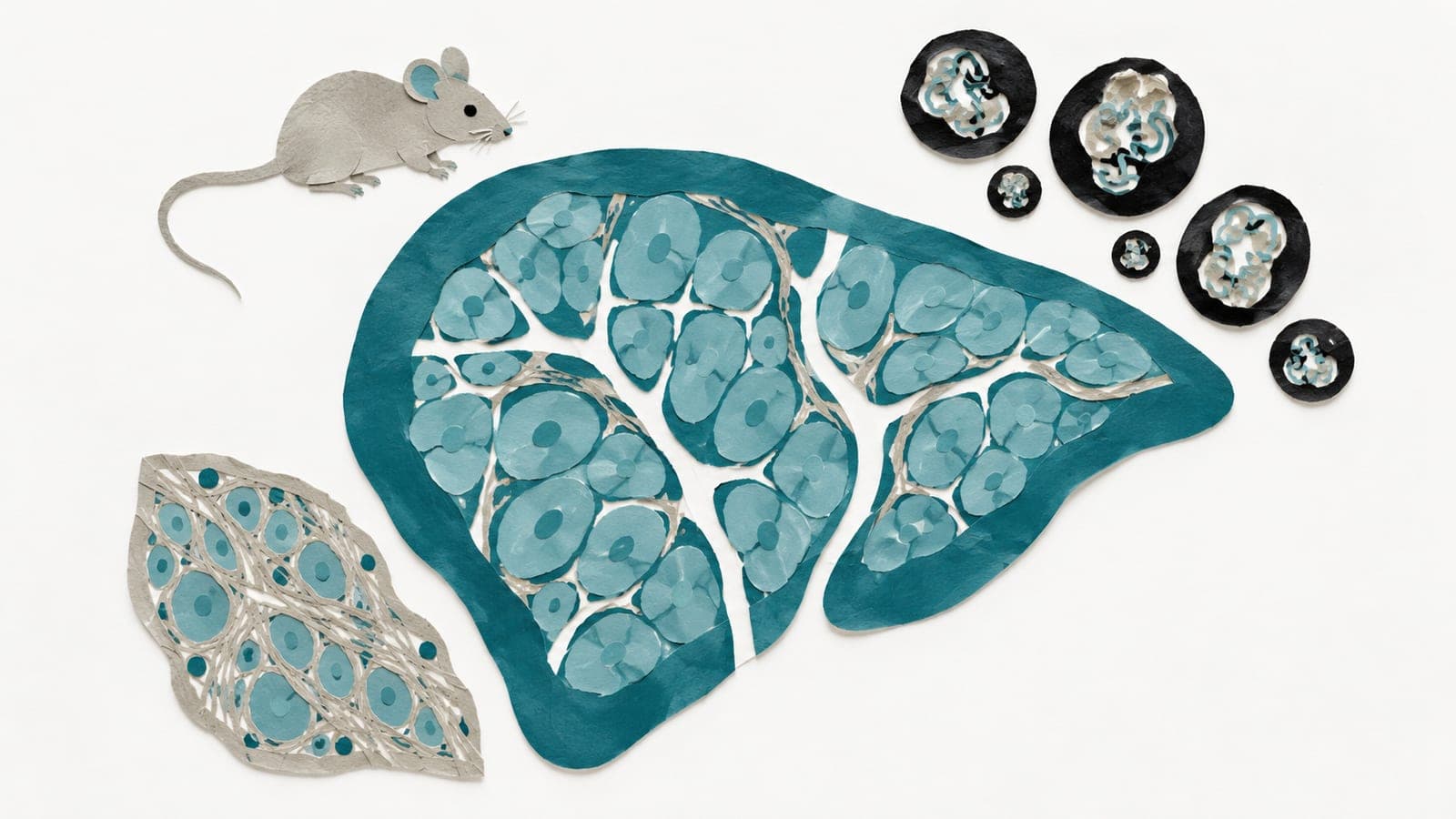
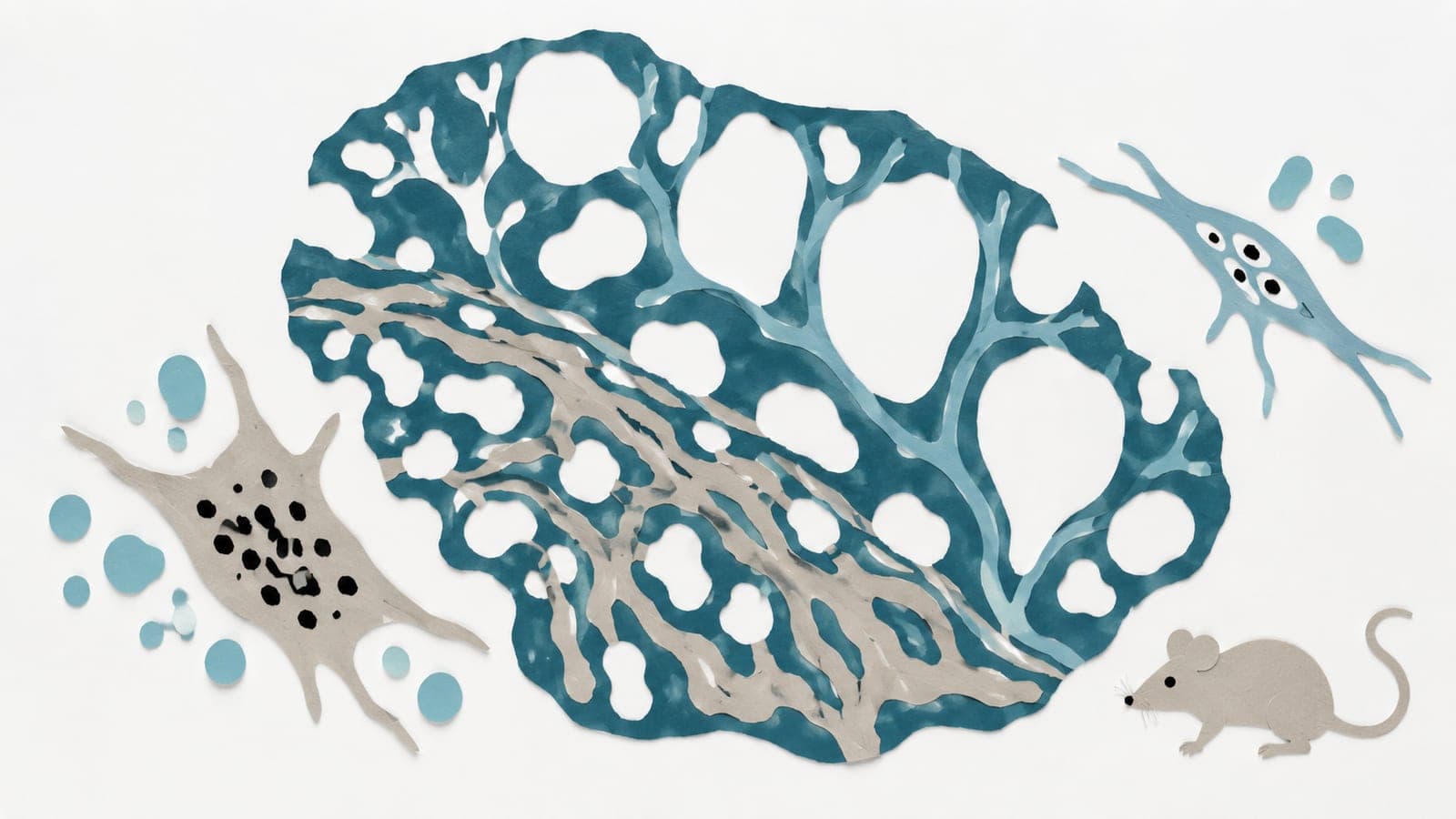
Cellular senescence drives inflammation and fibrosis progression in metabolic dysfunction-associated steatotic liver disease (MASLD) through the senescence-associated secretory phenotype (SASP). Existing research covers hepatocyte types, SASP signaling pathways, and senescence-targeting drugs. However, basic mechanistic understanding and precise clinical translation remain disconnected. An integrative therapeutic framework that couples senescence heterogeneity with disease stage-specific microenvironmental contexts is still lacking. This Perspective presents a hypothesis-generating translational framework and a candidate sequential trial design. The proposed sequence would combine short-term senescent cell clearance with long-term senescence modulation and metabolic maintenance. By stratifying senescence biomarkers according to clinical decision functions into patient selection markers, treatment timing markers, and response efficacy markers, and by defining candidate therapeutic windows based on disease stages, this study proposes lifestyle intervention and senescence modulation as proposed preventive strategies during simple steatosis, the testing of short-term senescent cell clearance during metabolic dysfunction-associated steatohepatitis (MASH) and fibrosis within prospective trial settings, and careful evaluation of intervention feasibility and anticipated benefits under strict risk stratification during cirrhosis. Patients with active hepatocellular carcinoma or high-risk premalignant lesions should currently be excluded from early senolytic trials pending dedicated safety data, rather than being described as an absolute clinical contraindication. This work aims to provide an actionable and verifiable reference framework for precise translation of senescence-targeted therapy in MASLD, moving the field from whether it works toward for whom it works, when it works, and how to test it safely and effectively. All proposed thresholds, strategies, and sequences are candidate endpoints for prospective validation.
- Lifestyle intervention
- Senolytics
- Cellular senescence
- Inflammation
- Metabolic dysfunction-associated steatotic liver disease
- Humans
The paper
College of Traditional Chinese Medicine; Affiliated Hospital of Changchun University of Chinese Medicine
Aging and Disease, 8 Oct 2026