Brain blood flow rose in older adults reporting cognitive decline
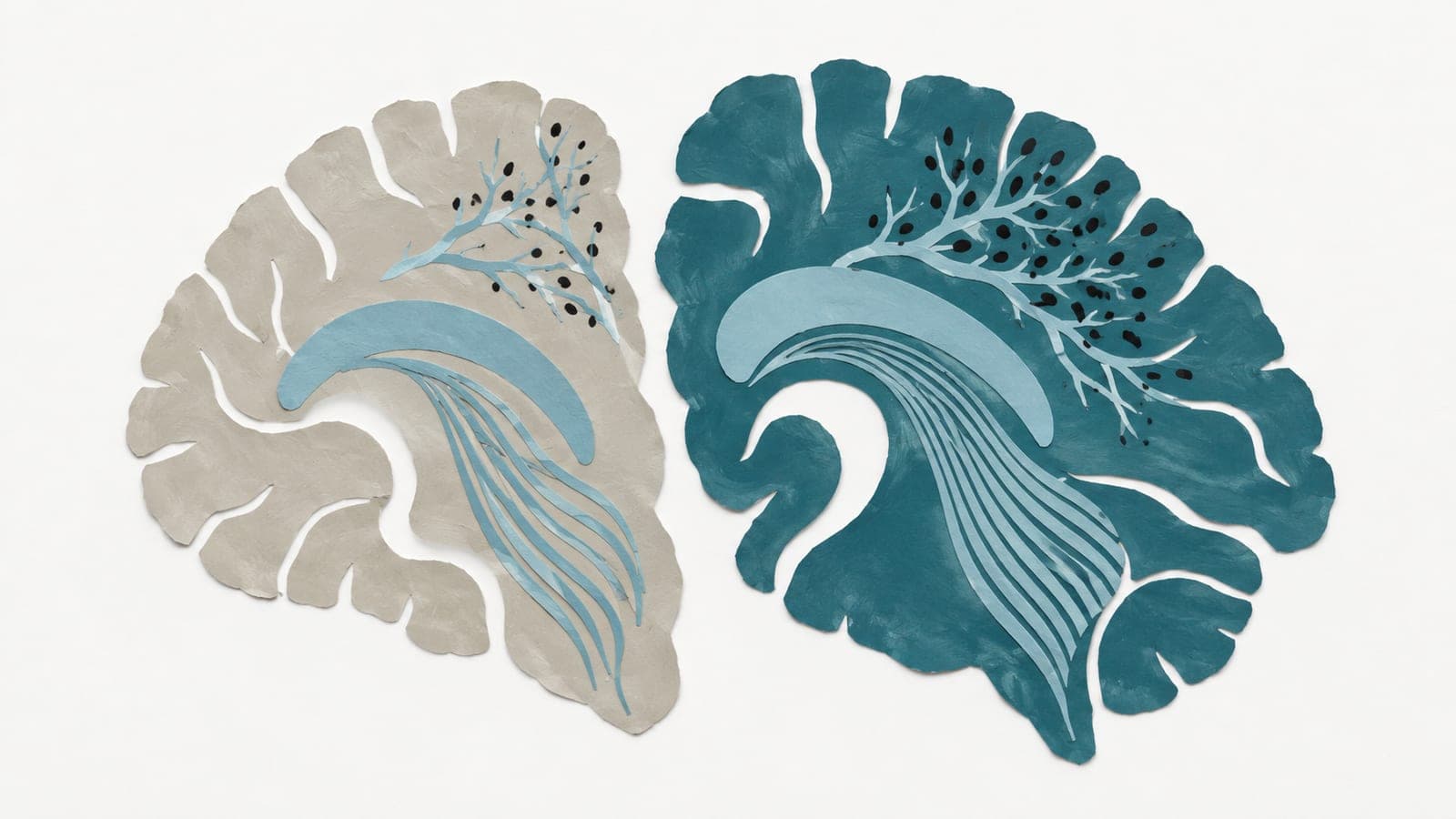
Blood flow in one brain region rose by 4.9 millilitres per 100 grams per minute more with spermidine than placebo over 12 months.
12 months, double-blind, placebo-controlled
Researchers analysed brain scans from 75 adults aged 60–90 with self-reported cognitive decline in a randomised trial. Participants took 0.9 milligrams of spermidine daily or a placebo for 12 months. Neither participants nor researchers knew who received which.
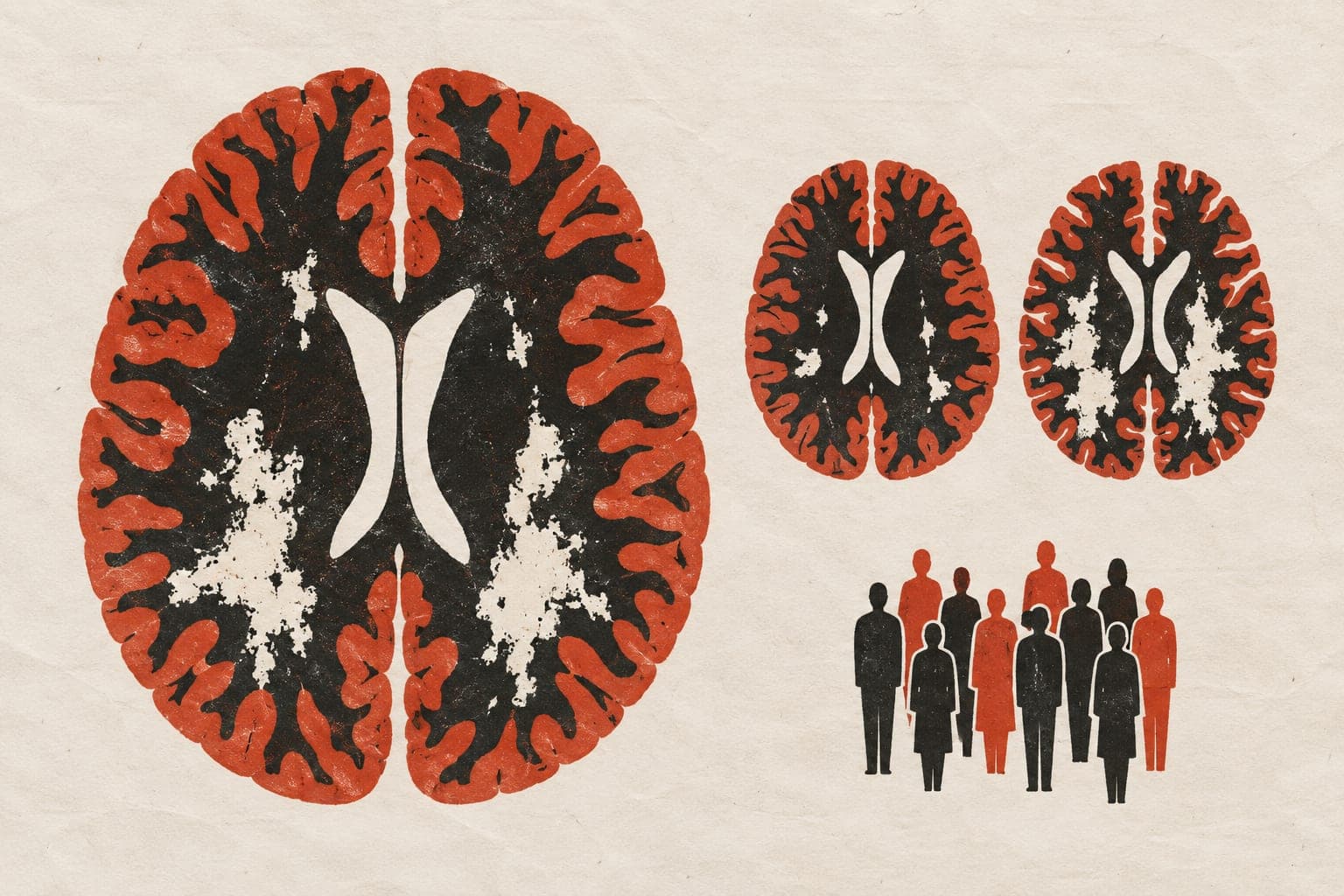
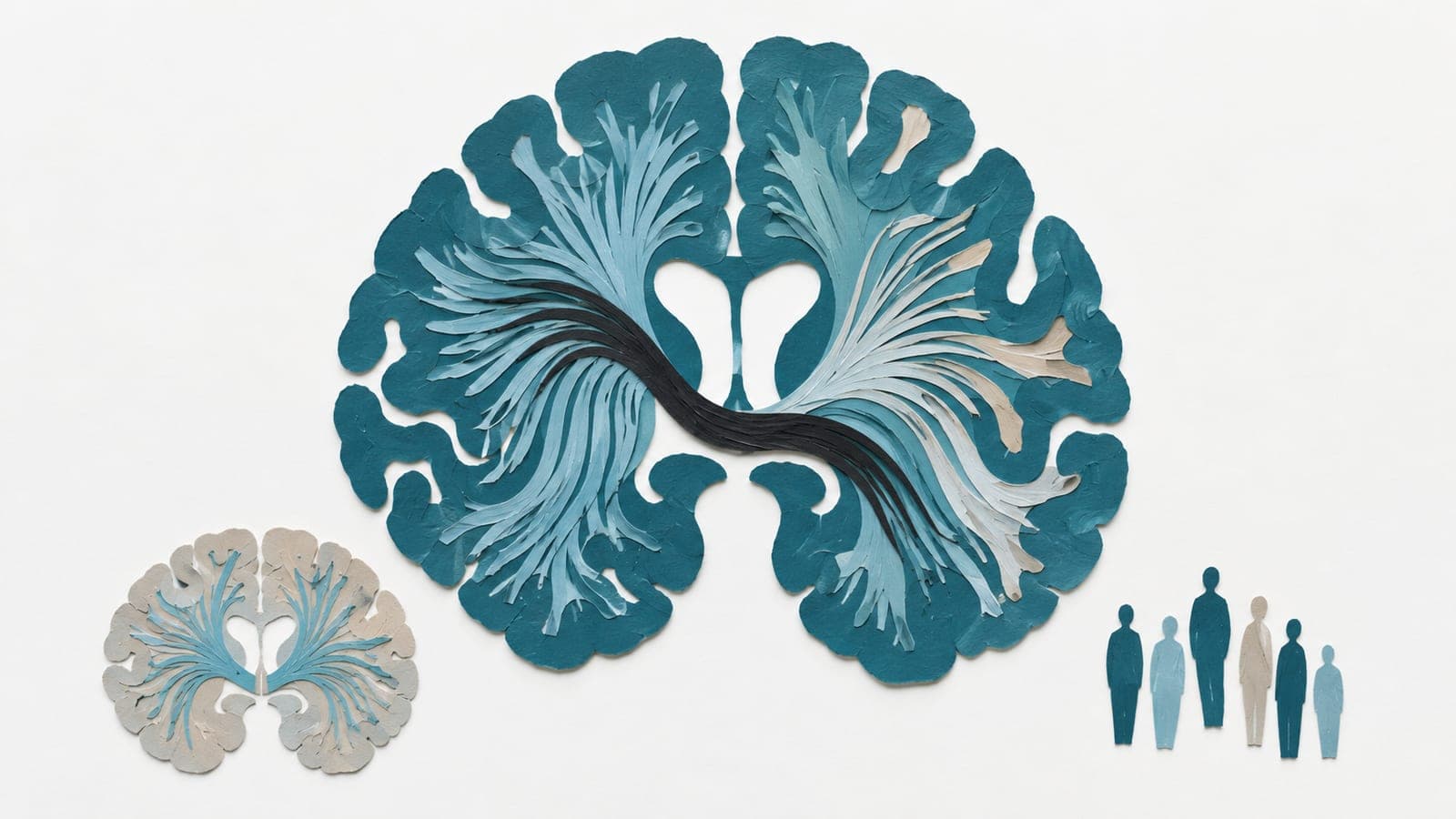
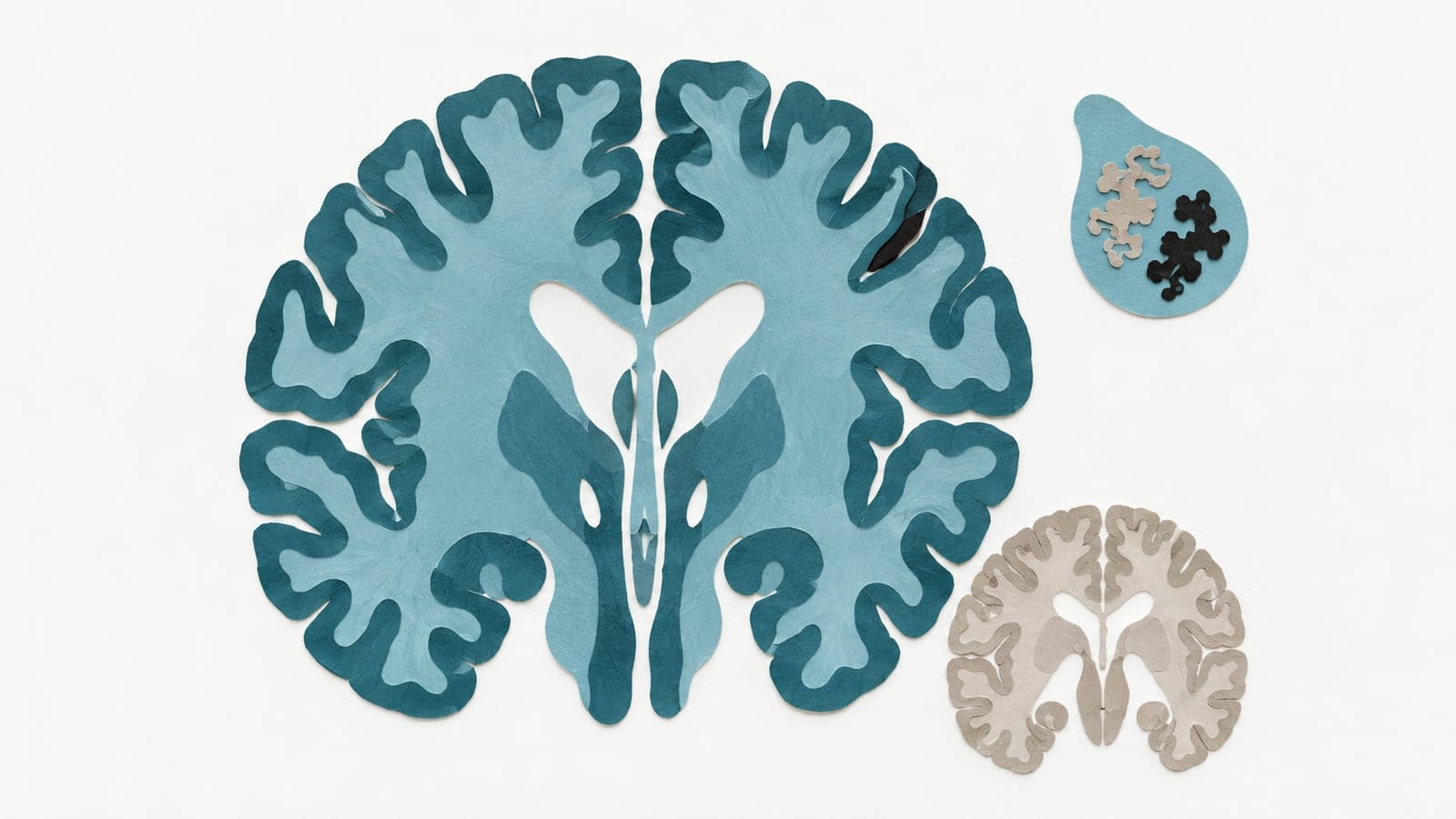
Blood flow rose more with spermidine in the precuneus, a brain region. In one bundle of nerve fibres, a scan measure used to assess fibre structure stayed stable with spermidine but fell with placebo. The researchers found no substantial group differences in brain volume, the thickness of the brain’s outer layer or bright spots in the brain’s nerve-fibre tissue on scans. The regional scan changes were not associated with changes in memory performance or participants’ cognitive complaints.
Why it matters
For older adults at risk of cognitive decline, the study addressed whether spermidine could affect aspects of brain health beyond memory performance.
Caveats
This was an exploratory secondary analysis of 75 participants. The findings are preliminary and require independent confirmation.
The paper
University Medicine Greifswald
Aging and Disease, 9 Oct 2026