Effects of environmental estrogen on the development of pulmonary inflammatory response in a murine model of older adults
Abstract
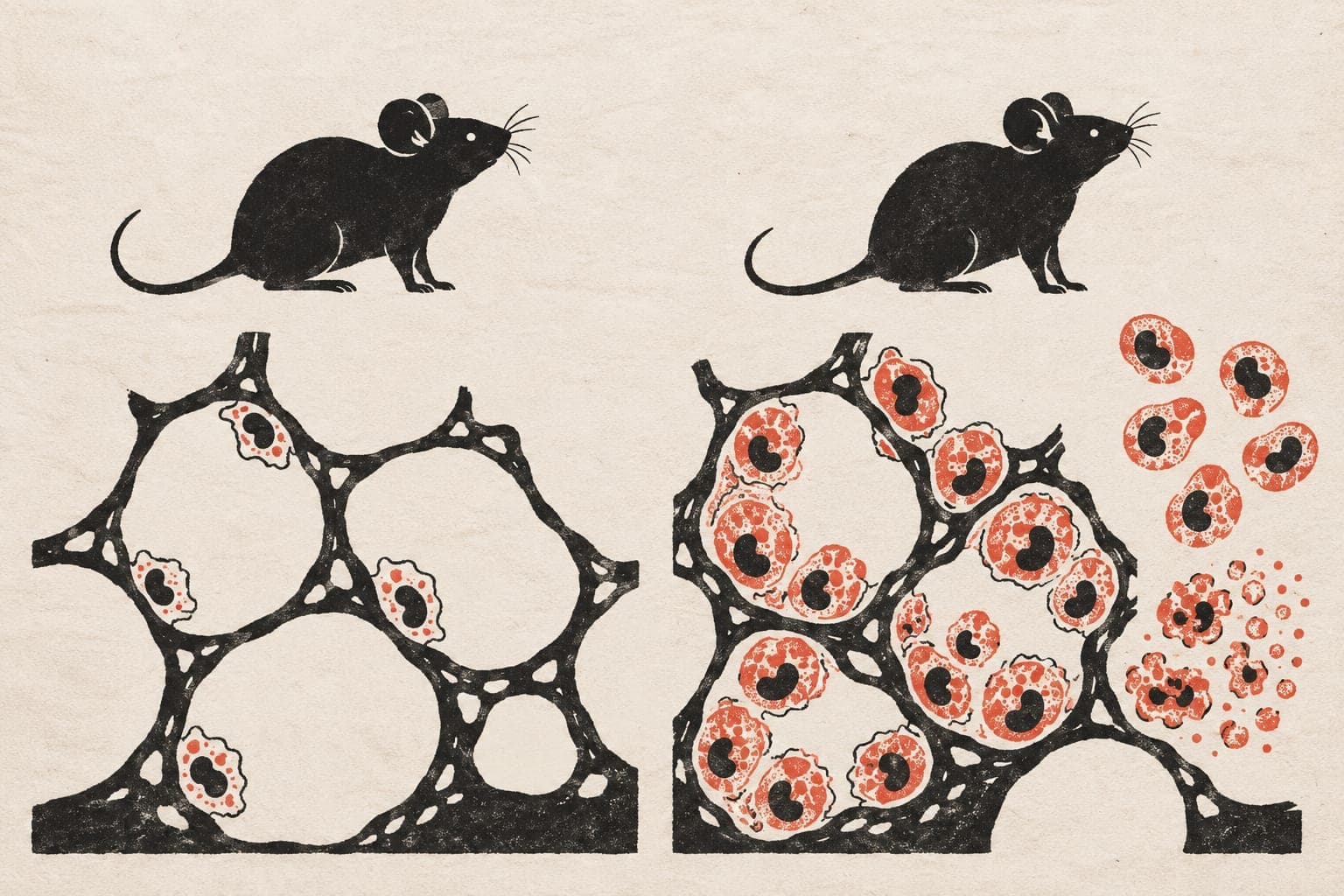
Allergic diseases are the most common chronic disorders in developed countries. Asthma in older adults is a significant cause of morbidity and mortality, and is increasingly important as life expectancy rises. We investigated the effects of environmental estrogen (EE) exposure on pulmonary inflammatory response in a murine model of older adults. We used our exposure model in old (>18 months) and young (6-8 wk) mice. Bisphenol S (BPS), the most widely used bisphenol A substitute, was administered in drinking water. Cat dander extract (CDE) allergen was given every other day for two weeks. Twenty-four hours after the last nasal application of CDE, the airway hyperresponsiveness (AHR) was analyzed, and bronchoalveolar lavage fluid (BALF), serum, and lung samples were collected. Our model demonstrated that EE exposure promotes AHR in older mice but not in young mice. Baseline numbers of total leukocytes and neutrophils in old mice were significantly higher than those of young mice. Lung histology shows increased cellular infiltration in EE-exposed/allergen-sensitized mice, with higher percentages of severity scores in older mice than in young mice. These findings indicate increased sensitivity to EE exposure and allergen sensitization in older adults. Further investigation into the mechanisms underlying these differential responses is necessary.
The paper
The University of Texas Medical Branch at Galveston
Journal of Environmental Science and Health Part C, Toxicology and Carcinogenesis, 10 Oct 2026