Restoring NAD⁺ pathways in brain aging and neurodegenerative diseases: roles of vitamin B3 metabolites, gut microbiota, and exercise in cognitive health
Abstract
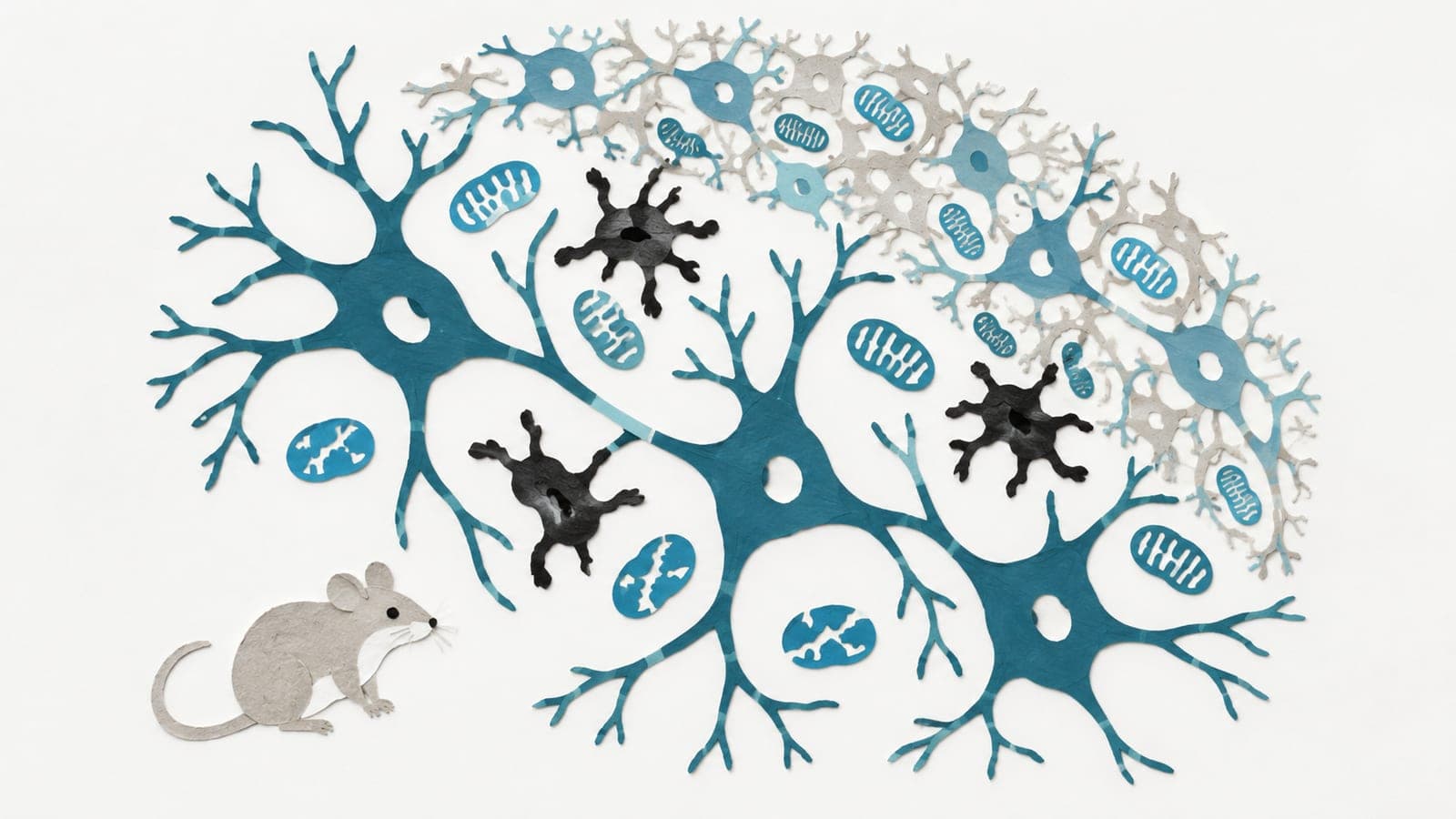
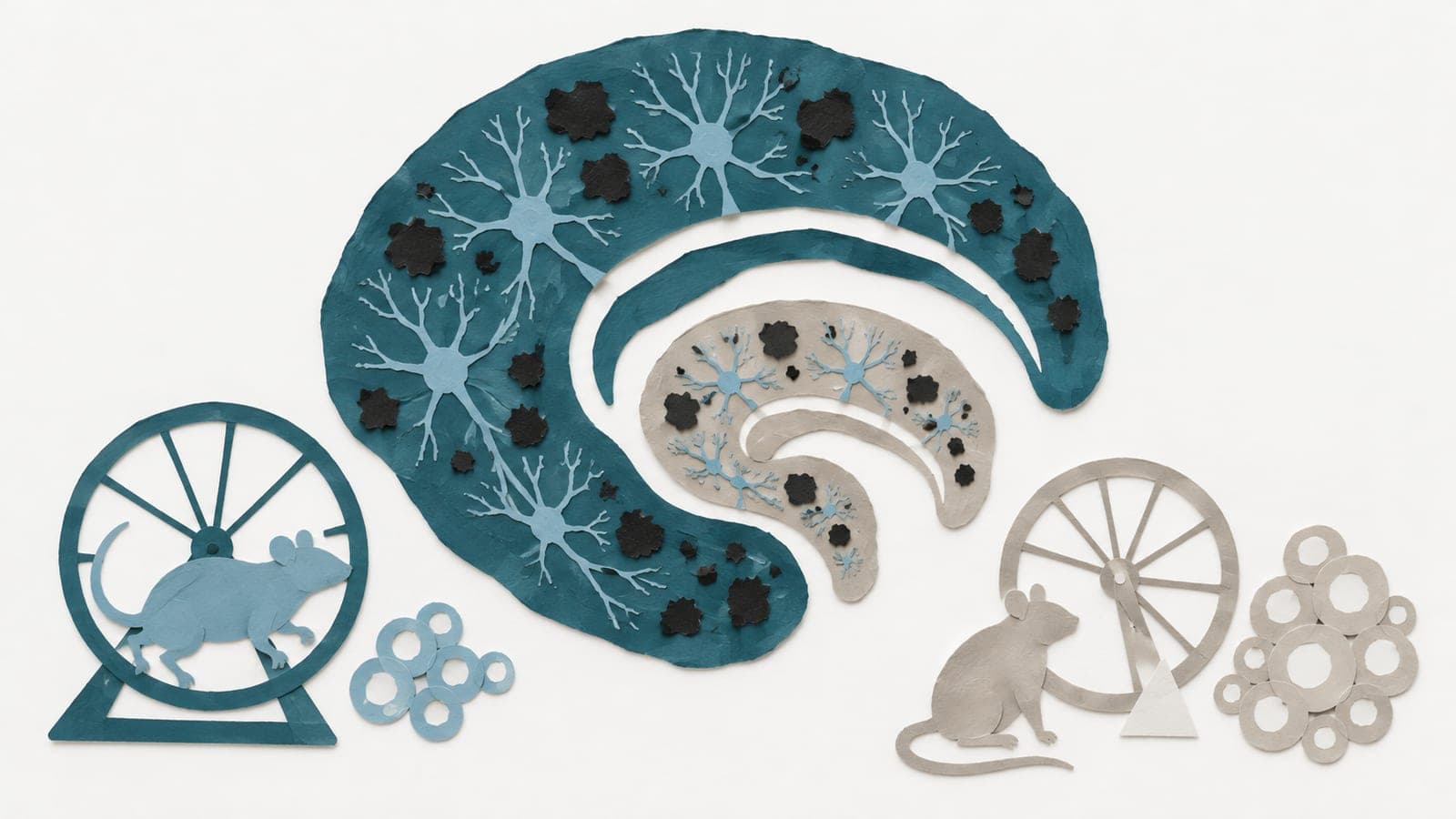
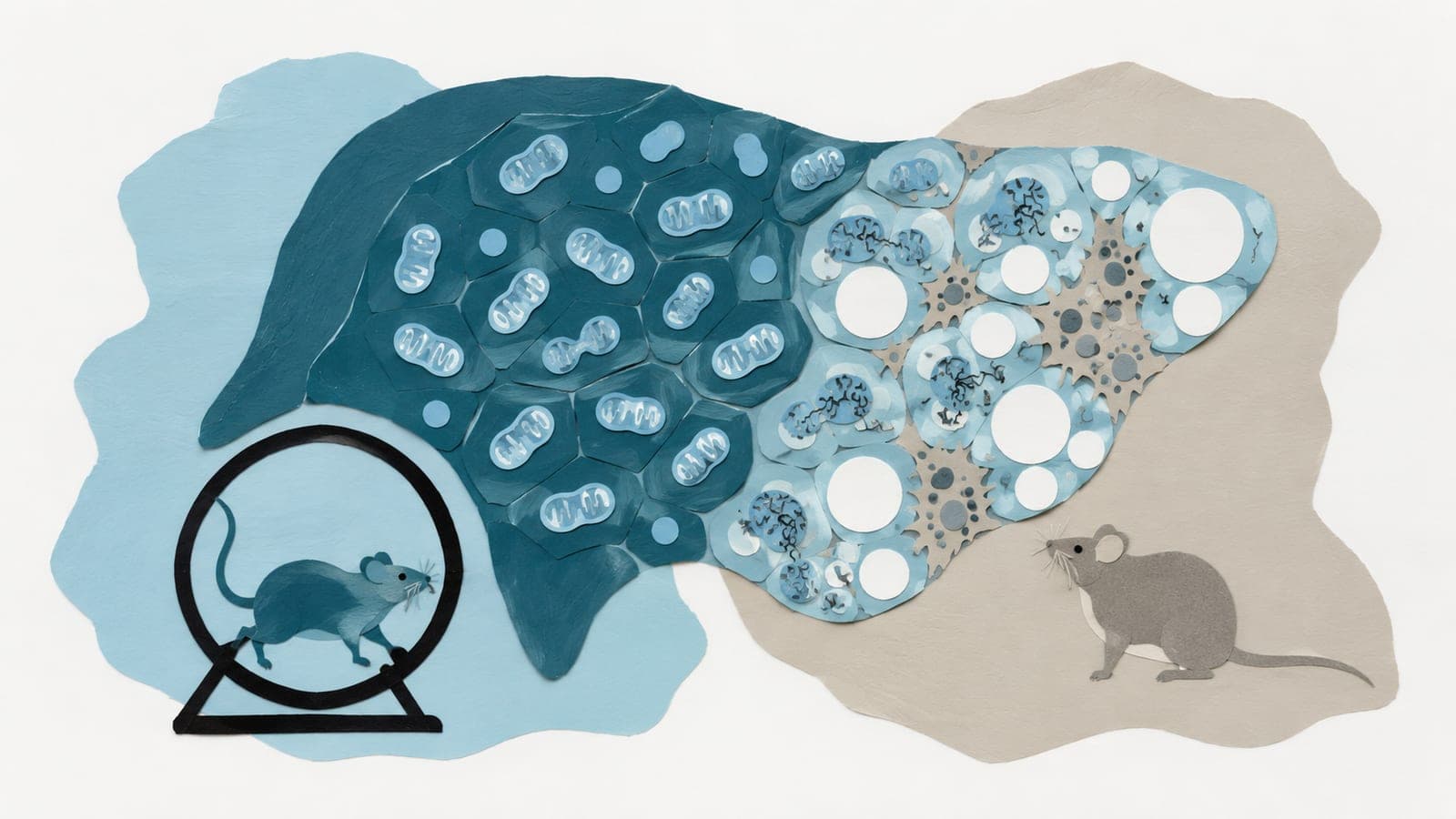
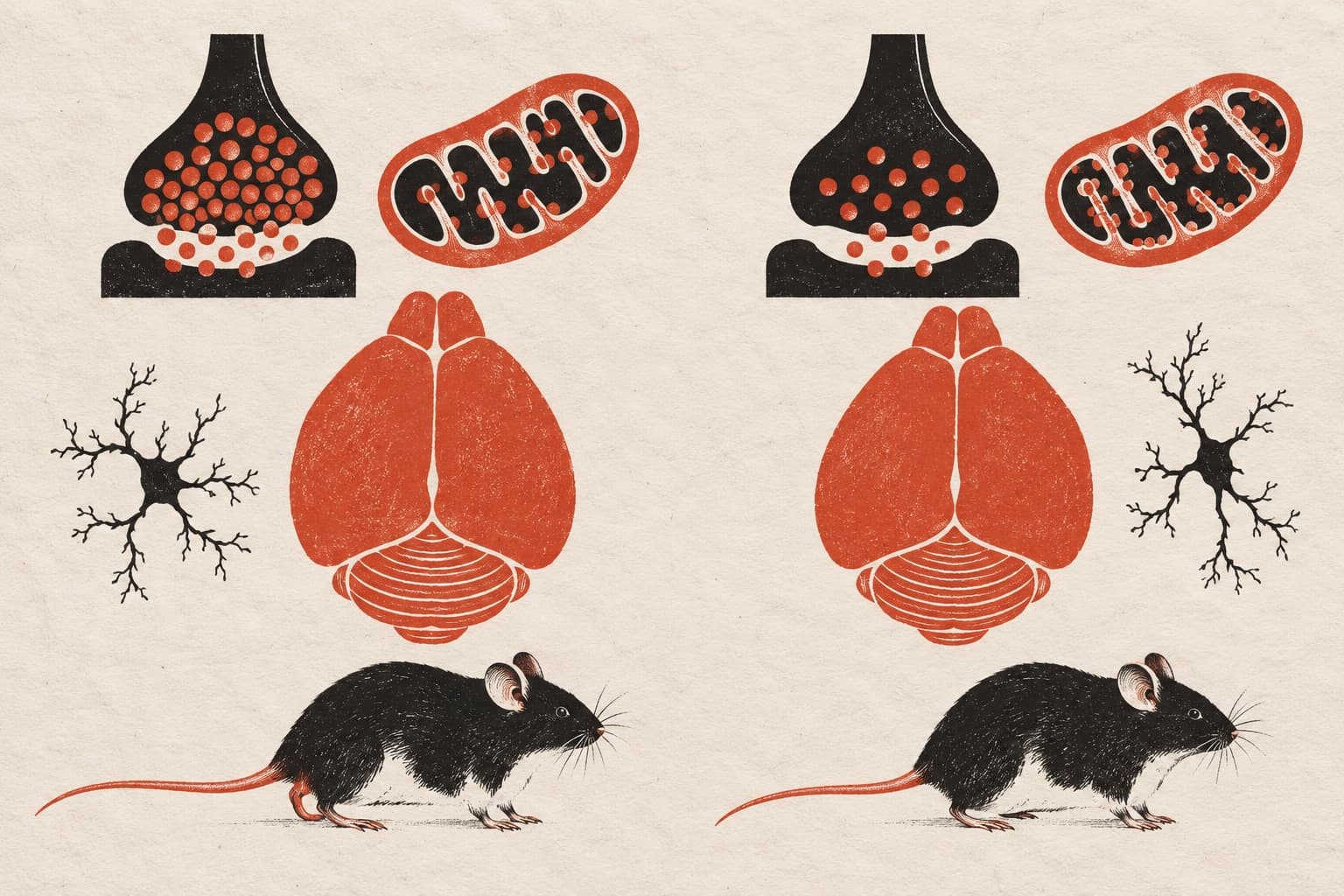
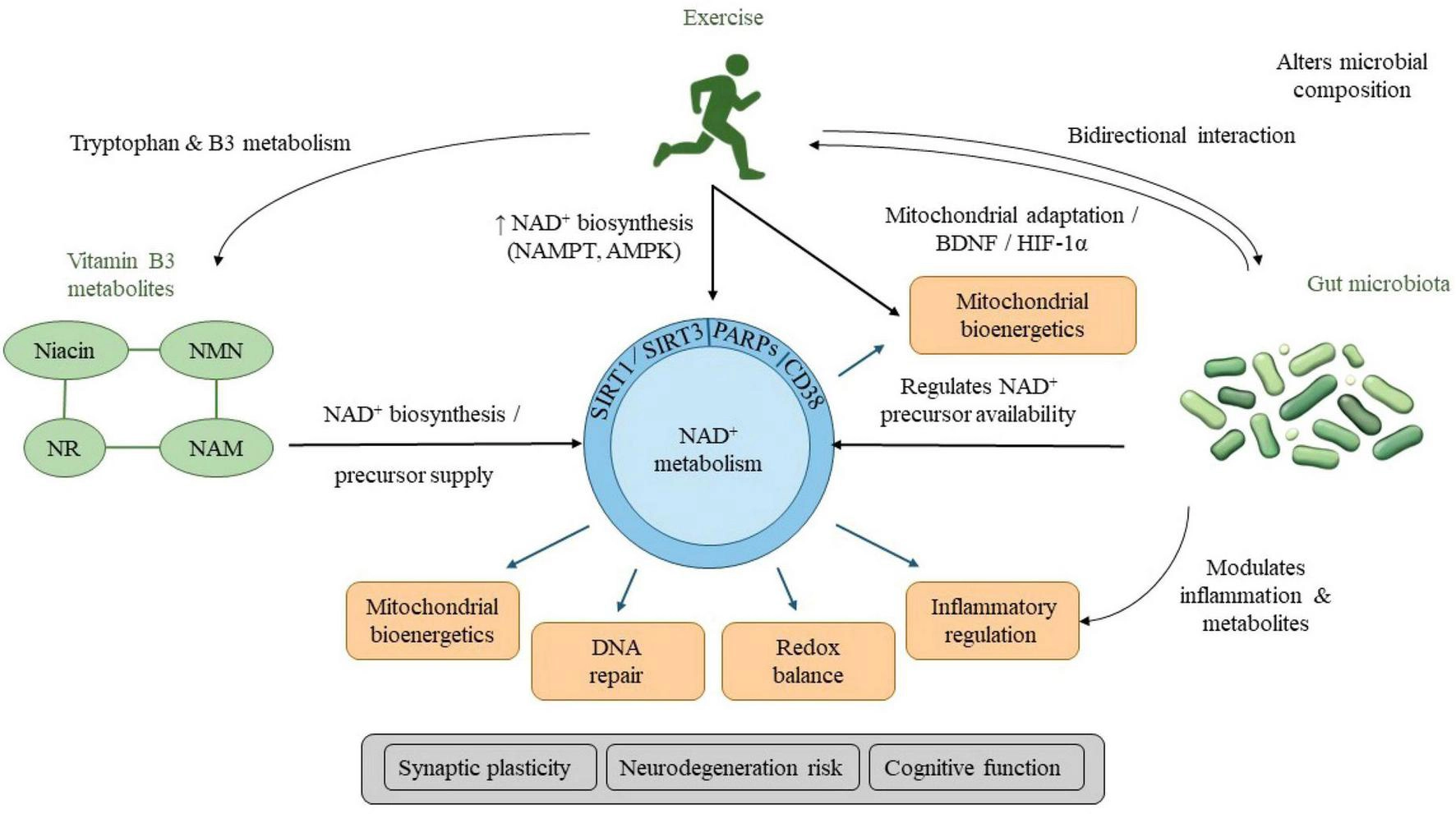
Aging and neurodegenerative disorders (NDDs) are intricately linked to a gradual deterioration in nicotinamide adenine dinucleotide (NAD⁺) metabolism, compromised mitochondrial functionality, persistent inflammation, and modified gut-brain interactions. Derivatives of vitamin B3, such as niacin, nicotinamide, nicotinamide riboside, and nicotinamide mononucleotide, have been identified as pivotal NAD⁺ precursors that possess the potential to support cellular bioenergetic processes and modulate pathways associated with brain aging. Evidence from preclinical studies and emerging clinical investigations suggests that NAD⁺-enhancing interventions may improve mitochondrial function and modulate neuroinflammatory pathways, thereby supporting cellular processes involved in synaptic plasticity and cognitive function; however, their long-term efficacy and clinical relevance in NDDs remain to be fully established. Concurrently, physical exercise serves as a robust physiological stimulus that augments NAD⁺ biosynthesis, modulates hypoxia-inducible factor-1α-dependent adaptive responses, fosters neurotrophic signaling, and enhances both vascular and metabolic health of the brain. Furthermore, emerging evidence suggests that the gut microbiota directly contributes to NAD⁺ homeostasis by regulating vitamin B3 precursor availability, tryptophan metabolism, and host metabolic signaling, while also influencing the efficacy of NAD⁺-enhancing interventions, thereby affecting systemic inflammation, metabolic equilibrium, and the production of neuroactive metabolites. Collectively, the interaction among vitamin B3 supplementation, physical activity, and gut microbiota may represent a promising framework for investigating strategies aimed at supporting cognitive health and brain resilience during aging, although definitive therapeutic applications require further validation. This review integrates current molecular, preclinical, and clinical evidence to establish mechanistic links between NAD⁺ metabolism, brain aging, cognitive dysfunction, and neurodegeneration, while emphasizing current limitations and future translational challenges associated with combining vitamin B3 metabolites, exercise, and microbiome-targeted approaches.
The paper
Yan'an University
Frontiers in Nutrition, 23 Sep 2026