Prenatal exposure to di-n-butyl phthalate induces testicular atrophy in offspring mice via the PHF10/ROS/apoptosis axis
Abstract
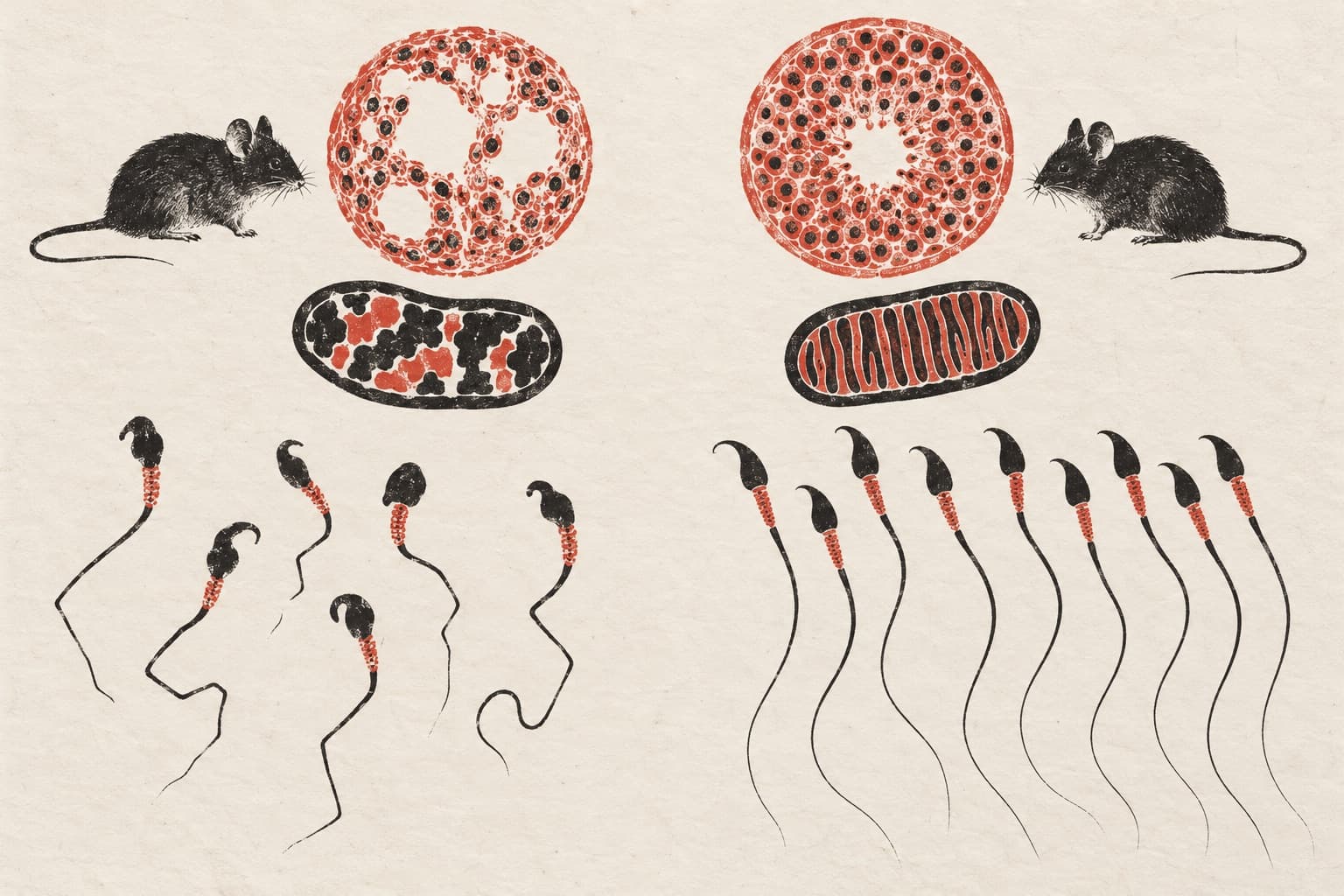
Prenatal exposure to the environmental endocrine disruptor di-n-butyl phthalate (DBP) can impair male reproductive development, but the upstream regulation of oxidative injury remains incompletely defined. In male C57BL/6 offspring assessed at postnatal day 35, prenatal DBP exposure was associated with testicular histopathology, lower testis weight and serum testosterone, impaired spermatogenic and epididymal sperm parameters, oxidative stress, and apoptosis. Testicular RNA sequencing identified Phf10, which encodes a PBAF chromatin-remodeling subunit, as a DBP-responsive candidate. Tissue analyses showed increased PHF10 with preferential enrichment in SOX9-positive Sertoli cells. In TM4 Sertoli cells, DBP increased PHF10, reactive oxygen species (ROS), and mitochondrial-apoptosis markers; Phf10 knockdown attenuated these responses, whereas PHF10 overexpression enhanced them. N-acetylcysteine reduced DBP-induced ROS and apoptosis without significantly altering DBP-induced PHF10 expression, supporting PHF10 as an upstream contributor to ROS-associated injury under the tested conditions. PHF10 ChIP-based analyses identified candidate redox-related loci associated with PHF10 occupancy and DBP-responsive expression. Promoter-reporter and mRNA-decay experiments supported transcriptional activation of Phf10 rather than increased mRNA stability, and pharmacologic PPARα inhibition attenuated DBP-associated PHF10 induction and downstream injury markers. Collectively, these findings support a PPARα-associated PHF10/redox/apoptosis mechanism in DBP-induced testicular injury, while direct promoter regulation, in-vivo cell-specific causality, dose relevance, and human applicability remain to be established.