Diabetes drugs linked to kidney benefit with high urine protein
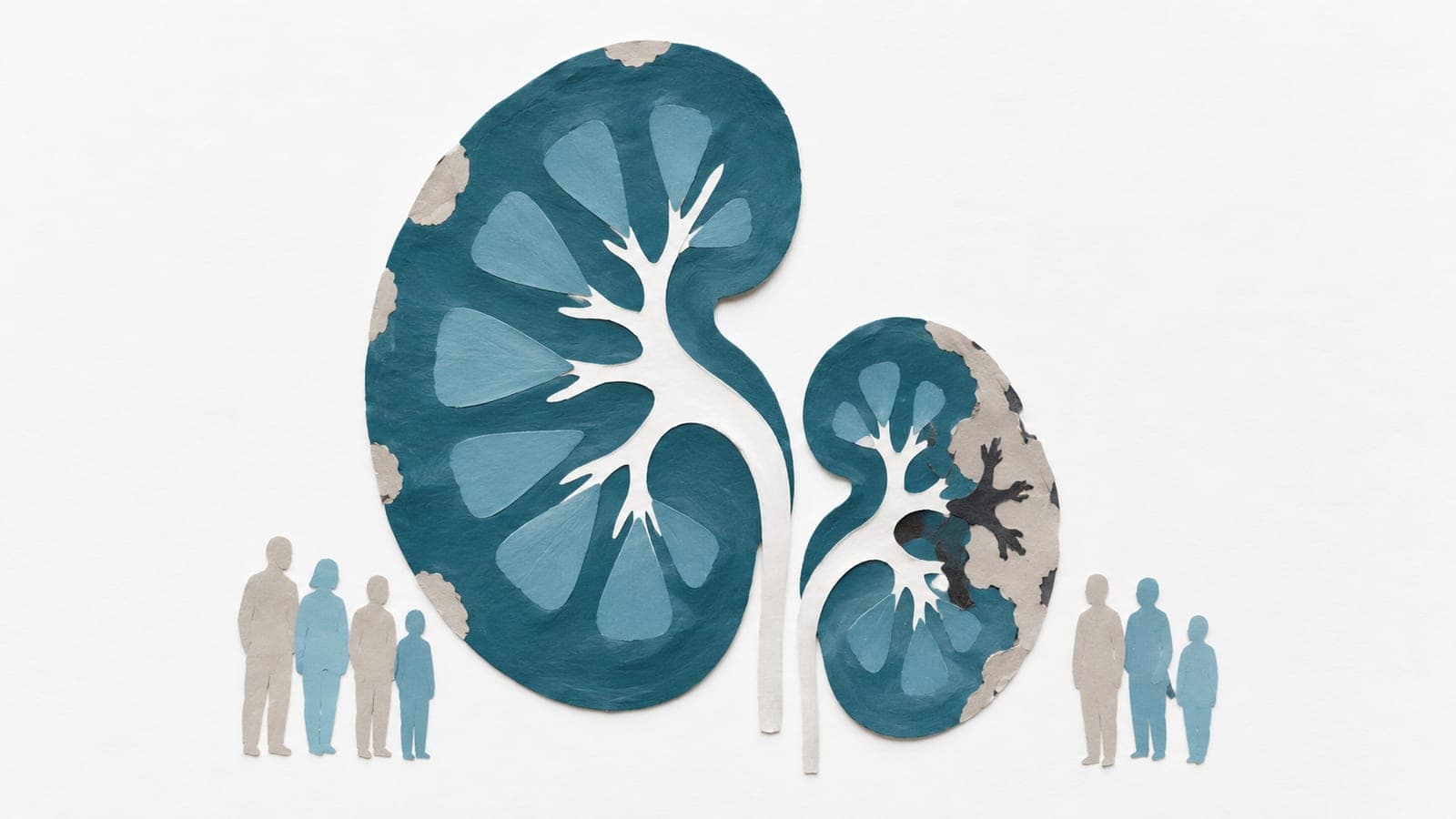
Among people with high urine albumin, estimated five-year kidney deterioration risk was 3.2% with the two drug classes versus 5.4% with comparison drugs.
75,455 participants
Limit: Diabetes duration and nonprescription anti-inflammatory drug use were missing from confounding adjustment
Edited by Boris Djordjevic · AgingResearch.News
In an observational study designed to mimic a trial, researchers used records from 75,455 people with type 2 diabetes and moderate cardiovascular risk. Their median age was 60 years, and 48% were women. All started a second diabetes drug after metformin; median follow-up was 32 months.
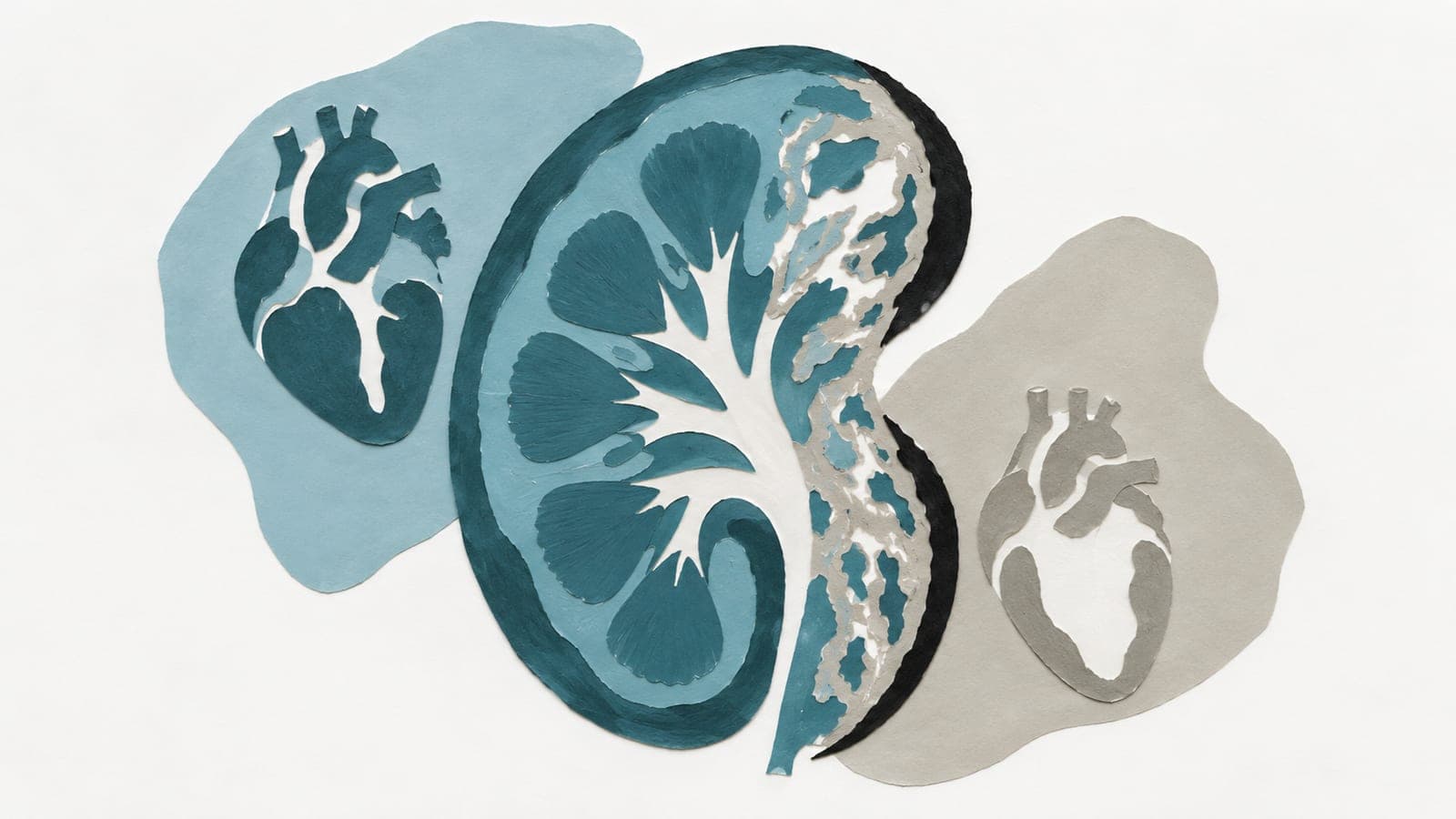
Researchers compared two diabetes drug classes—glucagon-like peptide-1 receptor agonists and sodium-glucose cotransporter-2 inhibitors—with dipeptidyl peptidase-4 inhibitors, another diabetes drug class. Among people with elevated urine albumin, a protein, estimated five-year kidney deterioration risk was 3.2% versus 5.4%, respectively. Without elevated urine albumin, risks were 2.4% versus 2.1%, with little evidence of benefit. Deterioration meant doubled blood creatinine, a kidney-function measure, or an estimated kidney filtration rate below 15 mL/min/1.73 m².
Why it matters
For people aging with type 2 diabetes, the study bears on whether urine albumin can help guide drug choices to preserve kidney function.
Caveats
This observational analysis cannot establish that the drugs caused the difference. Participants had moderate cardiovascular risk and estimated kidney filtration rates of at least 45 mL/min/1.73 m², limiting applicability beyond that population.
From the paper
- Follow-up
Over a median follow-up of 32 months (interquartile range 18-58), 783 (1.3%) people experienced the renal outcome; 1805 (2.9%) died and 20 028 (32.5%) were lost to follow-up (after a median of 27 months; interquartile range 17-44).
- Limitation
However, baseline characteristics of people were similar across treatment groups, even before confounding adjustment, making it less likely that important unmeasured confounders exist.
Quoted word for word from the full text on bmj.com.
The paper
Brigham and Women's Hospital; Harvard University
BMJ, Sep 16, 2026, Open access