Anti-LAG-3 antibody treatment initiated after symptom onset extends survival in ALS model mice
Abstract
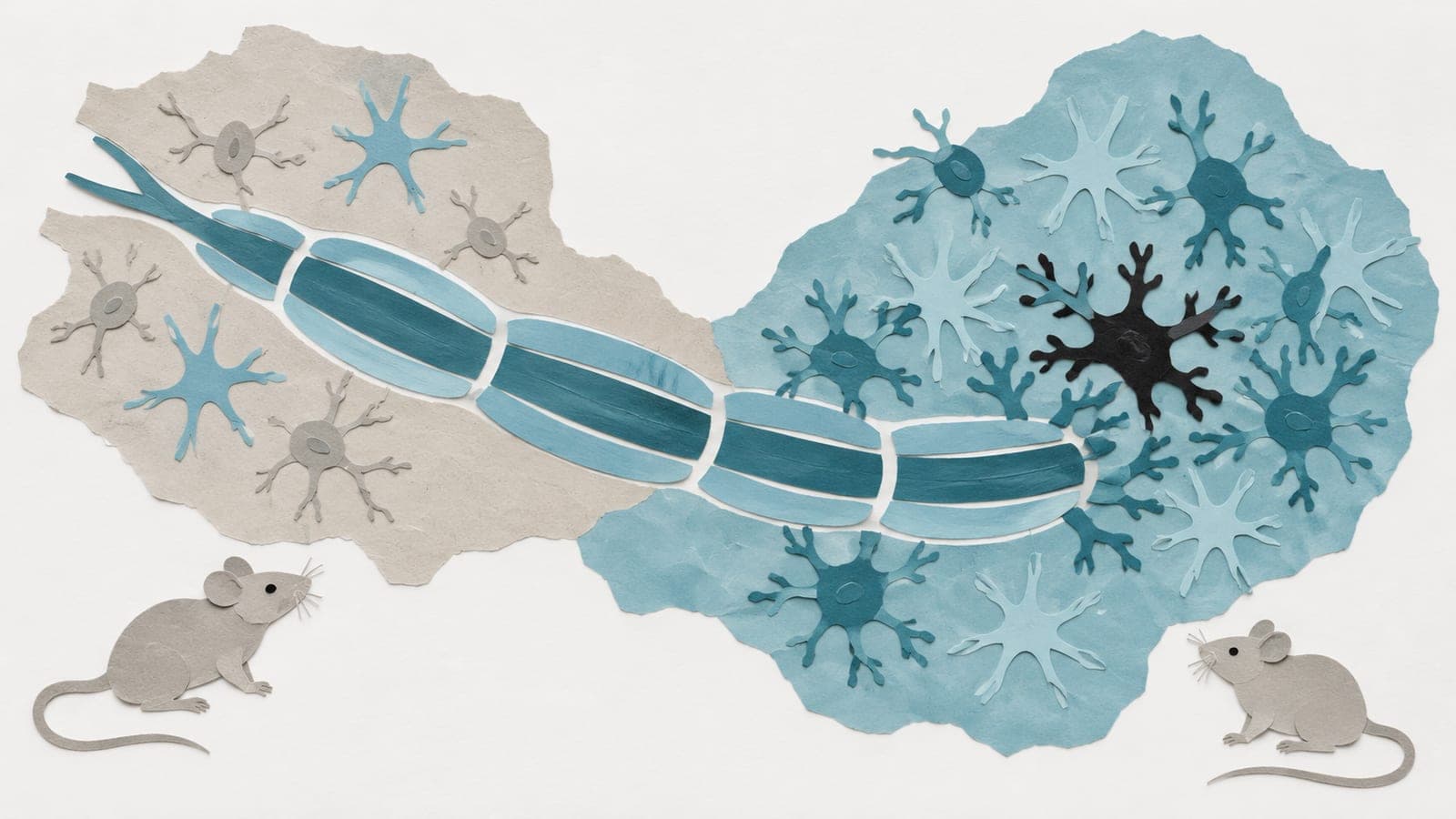
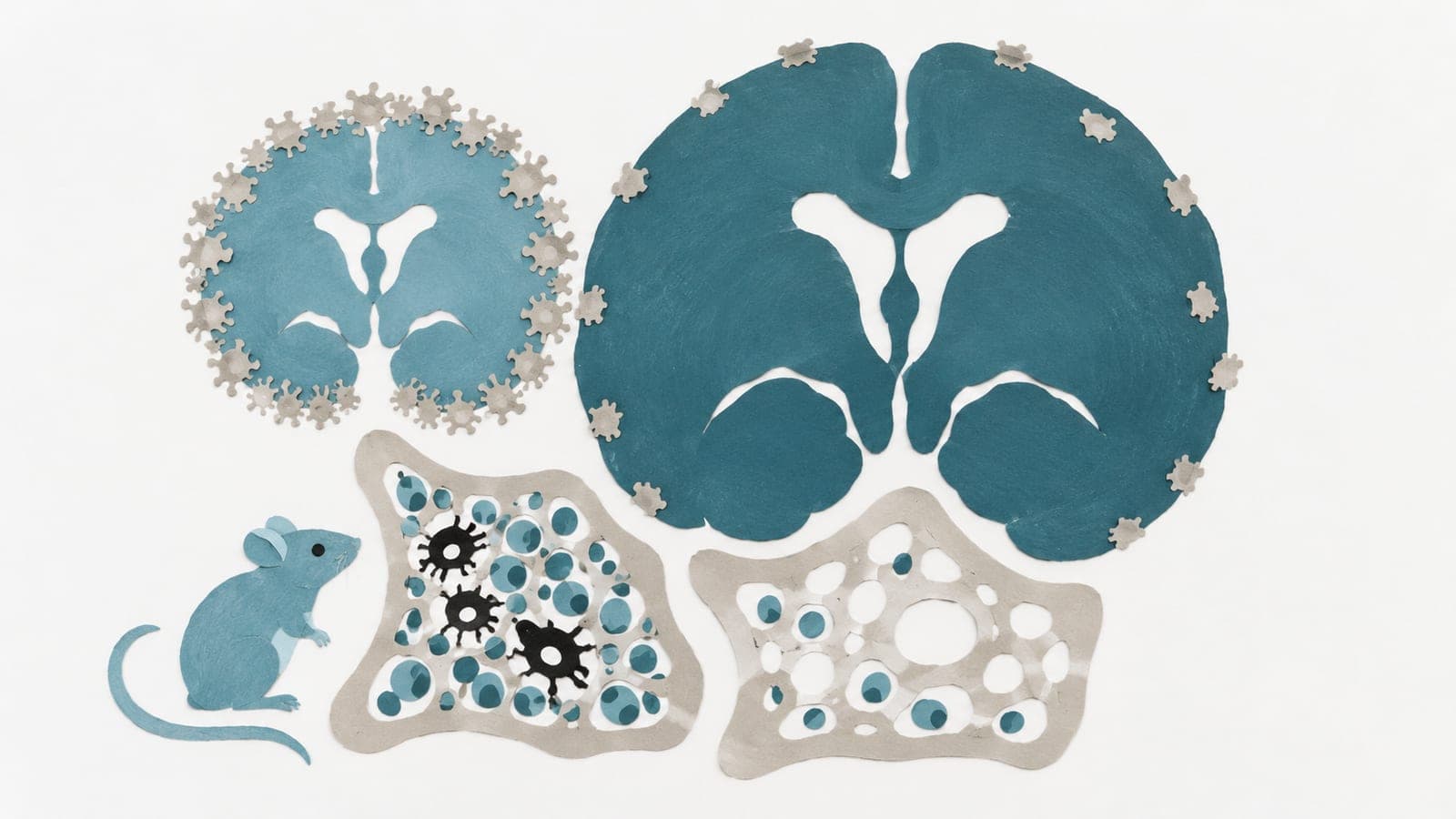
Immune checkpoint molecules have emerged as regulators of microglial function in neurodegenerative diseases. We previously demonstrated that LAG-3 shapes disease-associated microglial phenotypes in ALS and that germline LAG-3 deletion in SOD1G93A mice accelerated disease onset but extended duration, leaving survival unchanged. Here, we investigated the therapeutic efficacy of anti-LAG-3 antibody treatment starting after symptom onset. Anti-LAG-3 treatment extended survival, slowed neurological and motor decline, preserved body weight and motor neurons, and reduced microgliosis. Within microglia, the Axl⁺ phagocytic-module fraction increased while the Dectin-1⁺ inflammatory-module fraction decreased. These findings indicate that post-onset LAG-3 inhibition is a promising therapeutic strategy for ALS.
The paper
Keio University
Neuroscience Research, 10 Sep 2026, Open access