Frequent infections linked to faster rise in aging measure
An observational study of 7,614 Chinese adults linked frequent versus infrequent infections to greater annual aging acceleration, with an adjusted estimate of 0.67.
Edited by Boris Djordjevic · AgingResearch.News
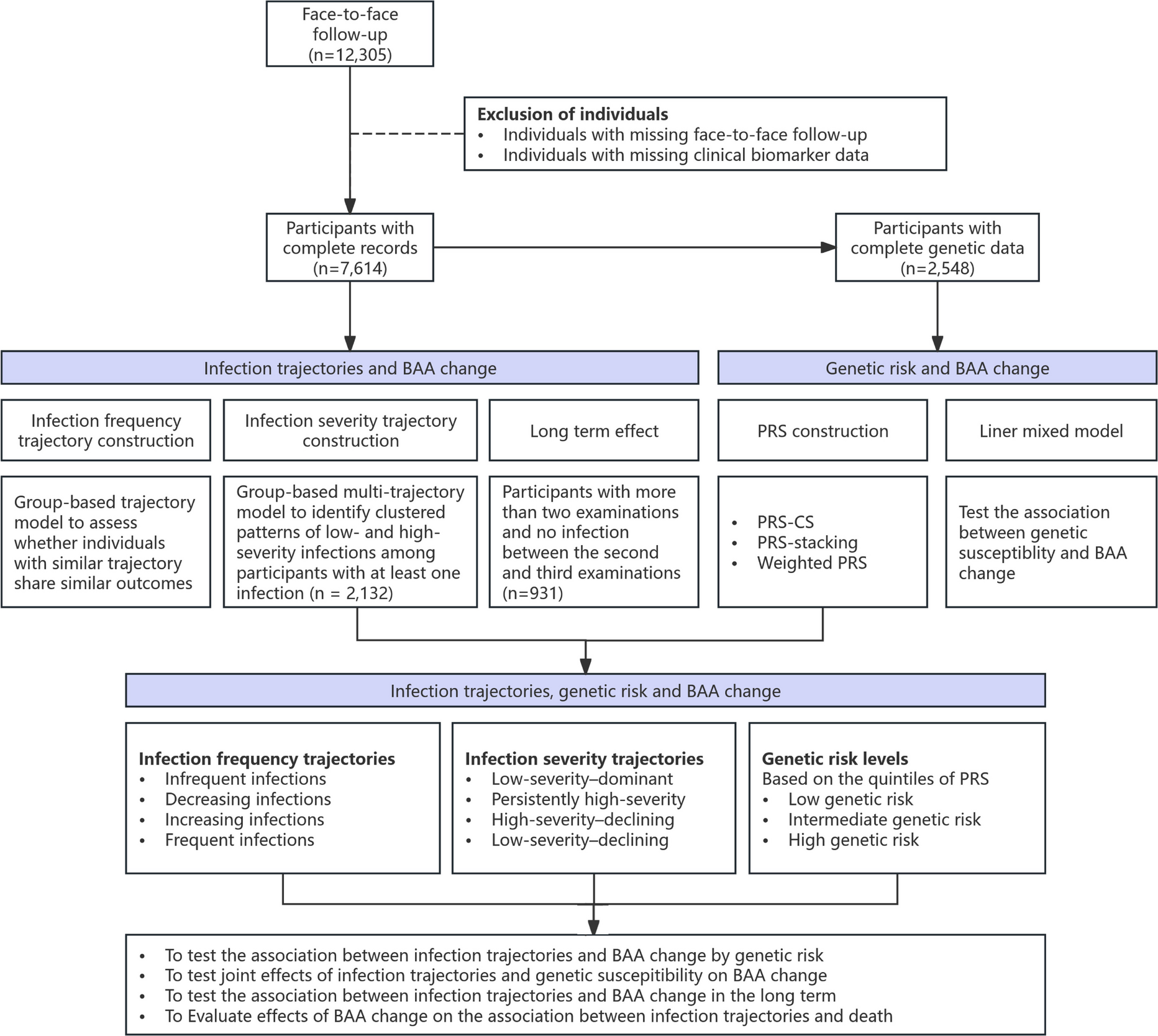
The prospective observational study followed 7,614 adults aged 20–74 from the Shanghai Suburban Adult Cohort and Biobank in China. All had biological age estimates at enrollment and follow-up. Researchers tracked infections quarterly using linked health records. They identified four patterns: infrequent, decreasing, increasing and frequent infections.
The researchers measured biological age acceleration—how far estimated biological age differed from what chronological age would predict. Compared with infrequent infections, frequent infections had the largest association with faster annual increases in this measure in an analysis adjusted for age and sex. A higher proportion of severe infections was also linked to faster increases. Associations appeared stronger among people with greater genetic susceptibility. Frequent infection patterns were also associated with higher mortality and more years of life lost.
Why it matters
The authors conclude that cumulative infection burden warrants attention in vulnerable populations when considering healthy aging, rather than focusing only on isolated severe infections.
Caveats
This observational study used an estimated aging measure and cannot show that infections caused aging to accelerate. Participants came from one Chinese cohort, and the abstract does not specify the units of the 0.67 estimate.

