Intrinsic anti-tumorigenic properties of the skin epithelium promote cancer resistance in naked mole-rats
Abstract
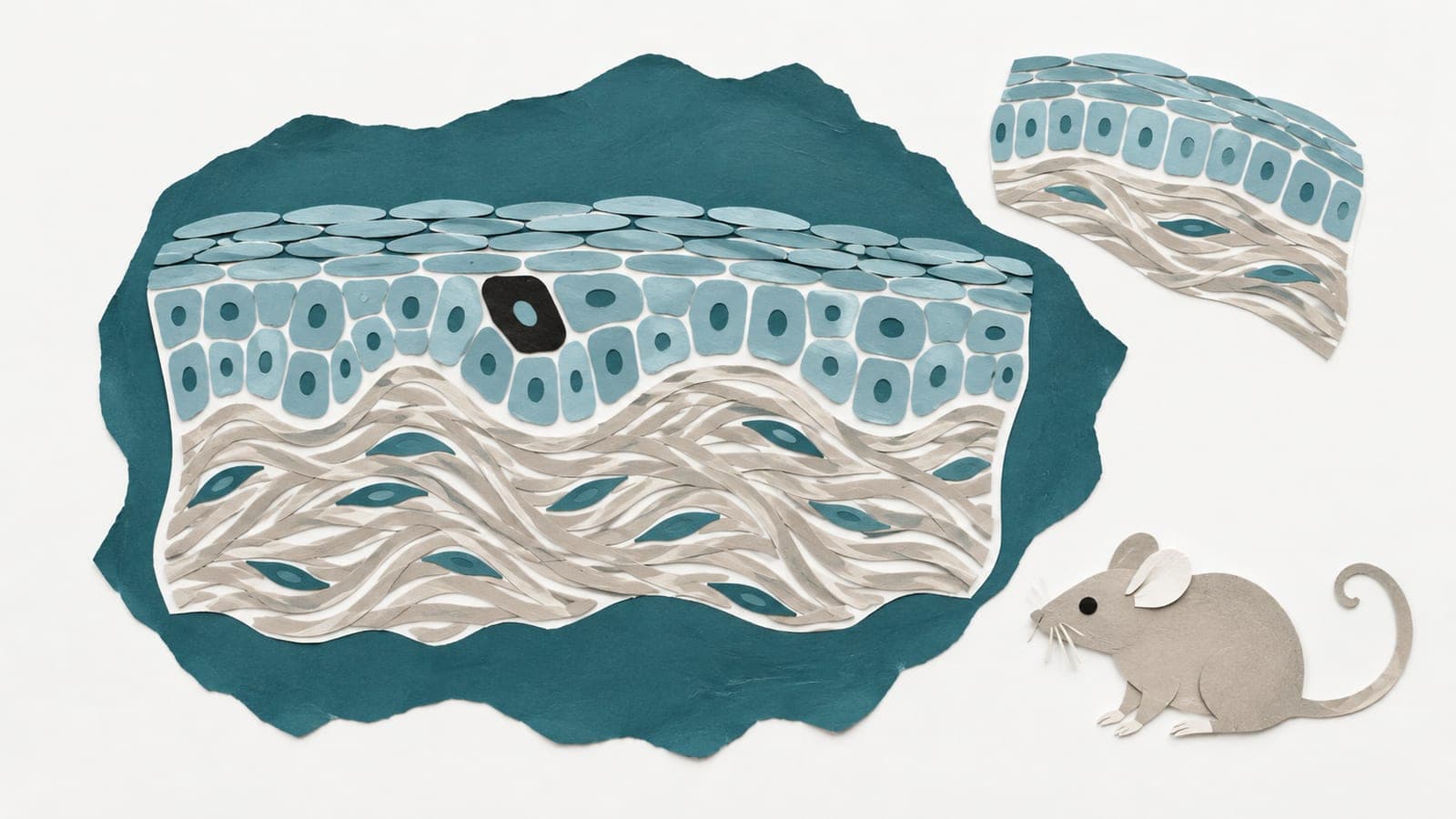
Naked mole-rats (NMRs) are unique long-lived mammals that possess marked resistance to cancer including lack of any reported spontaneous skin cancer incidences. Here, we show that in comparison with mice, homeostatic epidermal keratinocytes in NMRs exhibit elevated expression of 324 tumor suppressor genes of different classes including 55 genes regulating DNA damage/repair. Furthermore, NMR skin grafted onto nude mice exhibits complete resistance to 7,12-dimethylbenz[a]-anthracene/12-O-tetradecanoylphorbol-13-acetate (DMBA/TPA)-induced skin carcinogenesis in tissue-autonomous manner. In contrast to mice, DNA-damaged cells are effectively eliminated from DMBA/TPA-treated NMR epidermis, which exhibits a unique transcription response to DMBA/TPA characterized by high expression of anti-cancer genes, activation of ferroptosis, as well as by downregulation of 80 oncogenes including components of NF-kB, Wnt, and tyrosine kinase receptor signaling pathways. Thus, intrinsic multi-level anti-cancer protective program in NMR epithelial cells serves as unique model for further analyses of natural anti-cancer defense mechanisms and their translation to humans.
The paper
Boston University
iScience, 21 Aug 2026, Open access