Obligate cross-feeding of metabolites is common in soil microbial communities
Abstract
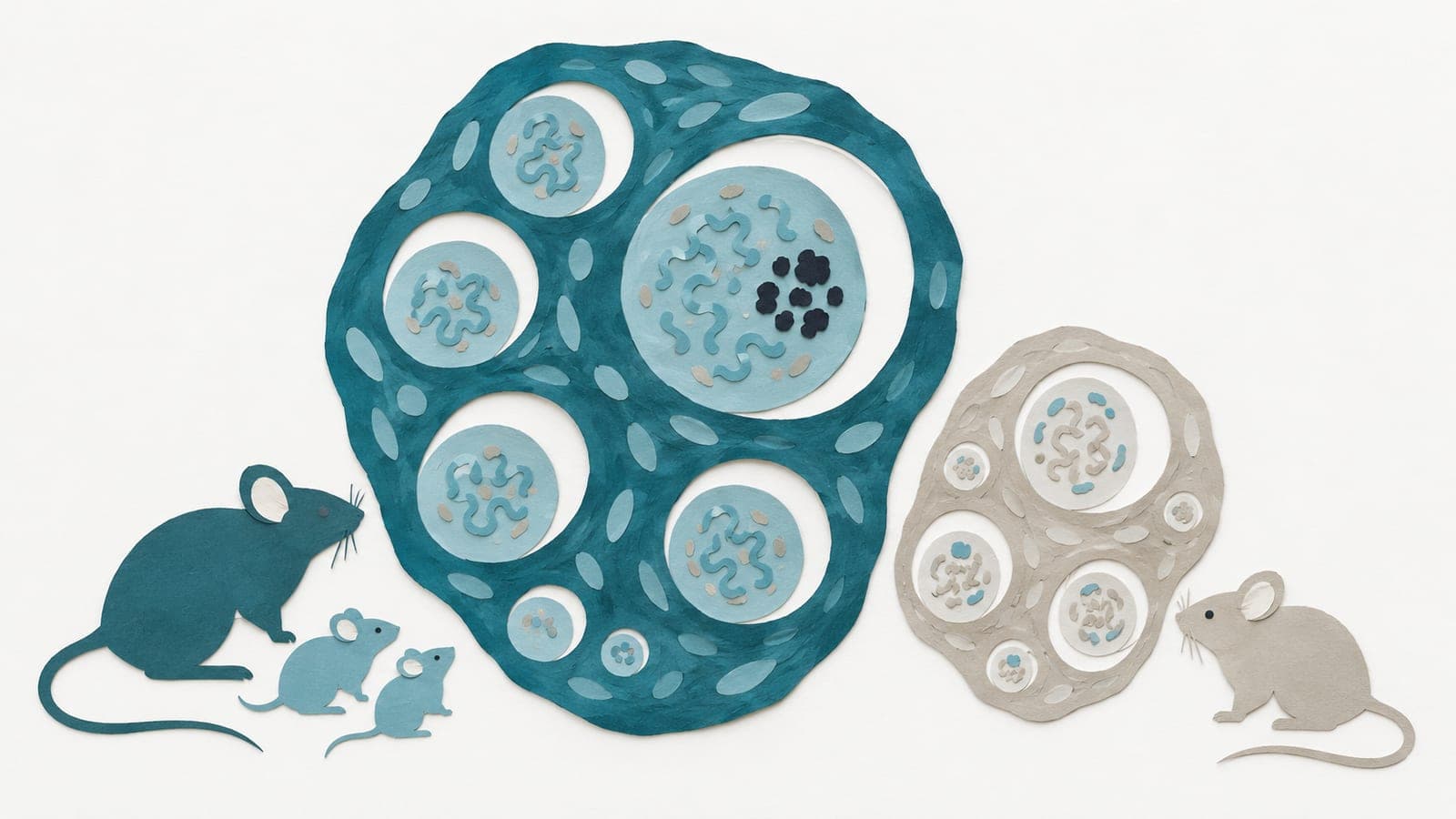
Ecological theory predicts that obligate cross-feeding of metabolites is common in microbial communities. However, systematic studies testing this prediction in natural microbial communities such as soil are missing, thus hindering the understanding of these ecologically important ecosystems. Here we address this gap by analysing 6,931 bacterial isolates from 27 soil microbial communities sampled in Germany. We find that the growth of up to 50% of community members depended on supplementation with amino acids, vitamins or nucleobases. For 73% of isolates, supplementation with multiple amino acids was necessary. Genomic analysis of 62 strains revealed that accumulation of insertion sequences and gene loss was associated with the observed auxotrophic phenotypes. Genome-scale metabolic models, computational analyses and cocultivation experiments suggest other co-occurring genotypes complement the metabolic needs of auxotrophs, thus enabling their growth and survival. Together, our results indicate that soil bacteria probably exist within integrated metabolic networks rather than as metabolically autonomous units.
The paper
Beni-Suef University; Osnabrück University
Nature Microbiology, 24 Aug 2026