Application and prospect of zinc oxide nanoparticle-enhanced biomimetic hydrogels in articular cartilage repair
Abstract
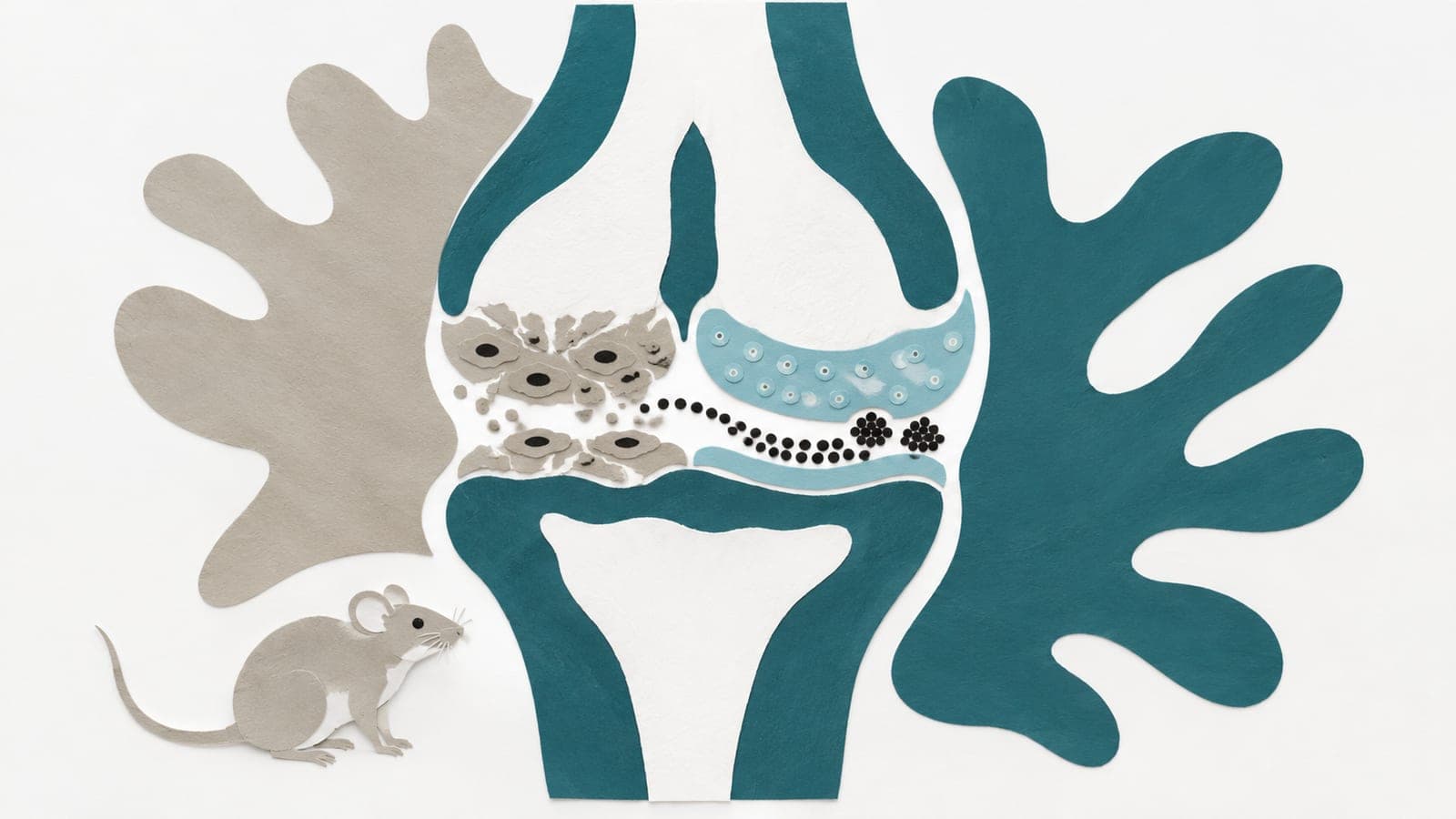
Articular cartilage injury is a common clinical condition in orthopedics. The avascular and aneural nature of the tissue results in extremely poor self-healing ability, which seriously impairs patients' motor function and quality of life. Current clinical treatment methods such as bone marrow stimulation, chondrocyte transplantation, and artificial joint replacement generally have limitations including the repaired tissue being primarily fibrocartilage, poor integration with host cartilage, and the need for secondary surgery, making them difficult to meet clinical needs. Hydrogels have become promising tissue engineering scaffolds for mimicking the natural cartilage extracellular matrix (ECM) due to their high water content, three-dimensional porous structure, and excellent biocompatibility. However, their defects such as insufficient mechanical strength, lack of biological activity, and antibacterial properties limit their clinical application and translation. Zinc oxide nanoparticles (ZnO NPs) are multifunctional bioactive materials that can enhance hydrogel mechanical stability and provide antibacterial, anti-inflammatory, and chondrogenic benefits through controlled Zn²⁺ release. This review summarizes the physicochemical properties and biological functions of ZnO NPs, discusses strategies for constructing ZnO NP-enhanced biomimetic hydrogels, and reviews current in vitro and in vivo evidence supporting their application in cartilage repair. It also highlights key challenges, including biosafety, concentration control, and translational feasibility, providing guidance for the rational design and clinical development of ZnO-based hydrogel scaffolds. Recent studies have explored hydrogel-based strategies to address this limitation by providing a microenvironment that favors hyaline cartilage regeneration over fibrocartilage formation.
The paper
Xinjiang Medical University; Peking University People's Hospital
Biochemistry and Biophysics Reports, 12 Aug 2026